

On July 24, OpenAI announced an update to its ChatGPT desktop application, adding ChatGPT Voice support. This new feature allows users to directly issue voice commands to control AI agents performing tasks on their computers, rather than simply engaging in voice conversations.
Access to next-generation speech models
This feature is based on OpenAI's new ChatGPT-Live voice model series, which was launched earlier this month. Unlike previous voice interaction features primarily aimed at mobile devices, this desktop update combines voice input with task execution, offering broader coverage.
OpenAI states that ChatGPT Voice can be used in conjunction with ChatGPT Work and Codex, and can also access computer capabilities to access websites and applications to complete search and execution tasks.
The desktop version allows for multi-step operations.
According to OpenAI, the desktop voice mode supports more complex commands. Users can verbally utter multiple steps at once and then continue interacting when the system needs confirmation or additional information.
- Supports issuing multiple commands at once
- You can ask the user for follow-up information during the execution process.
- It can be used in conjunction with Codex to handle development-related tasks.
In the demo video, a developer uses a voice command to instruct ChatGPT to create a new discussion thread, generate a pull request, and pinpoint the root cause of a program error.
macOS can read screen content
On macOS, OpenAI has also added the Appshots feature. When enabled, applications can read content from the user's screen, including alt-text, to more accurately understand the current interface and continue performing tasks.
OpenAI also mentioned that users can remotely access Codex via the iOS app and initiate related operations using ChatGPT Voice.
Competition in the voice assistant market continues to intensify.
The previously released mobile version of ChatGPT Voice already supported more natural conversations and better interrupt handling, but it didn't have the ability to perform operations directly on the phone at that time. This desktop update signifies that OpenAI is advancing voice mode from a conversational tool to an agent entry point for performing tasks.
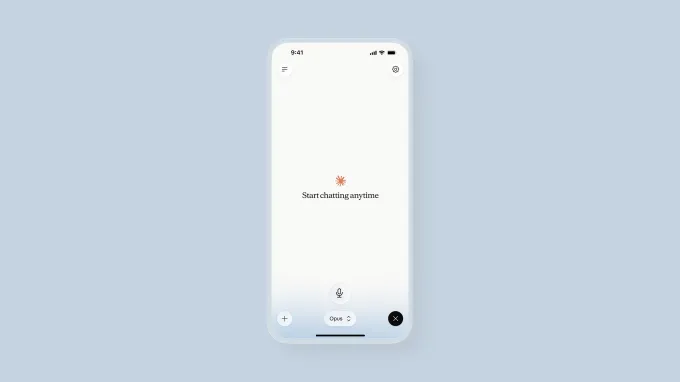
Anthropic recently updated Claude's voice mode. This feature can utilize Opus, Sonnet, and Haiku models to complete tasks in applications such as Gmail, Calendar, Slack, Notion, and Canva, accelerating the competition among voice AI assistant products.