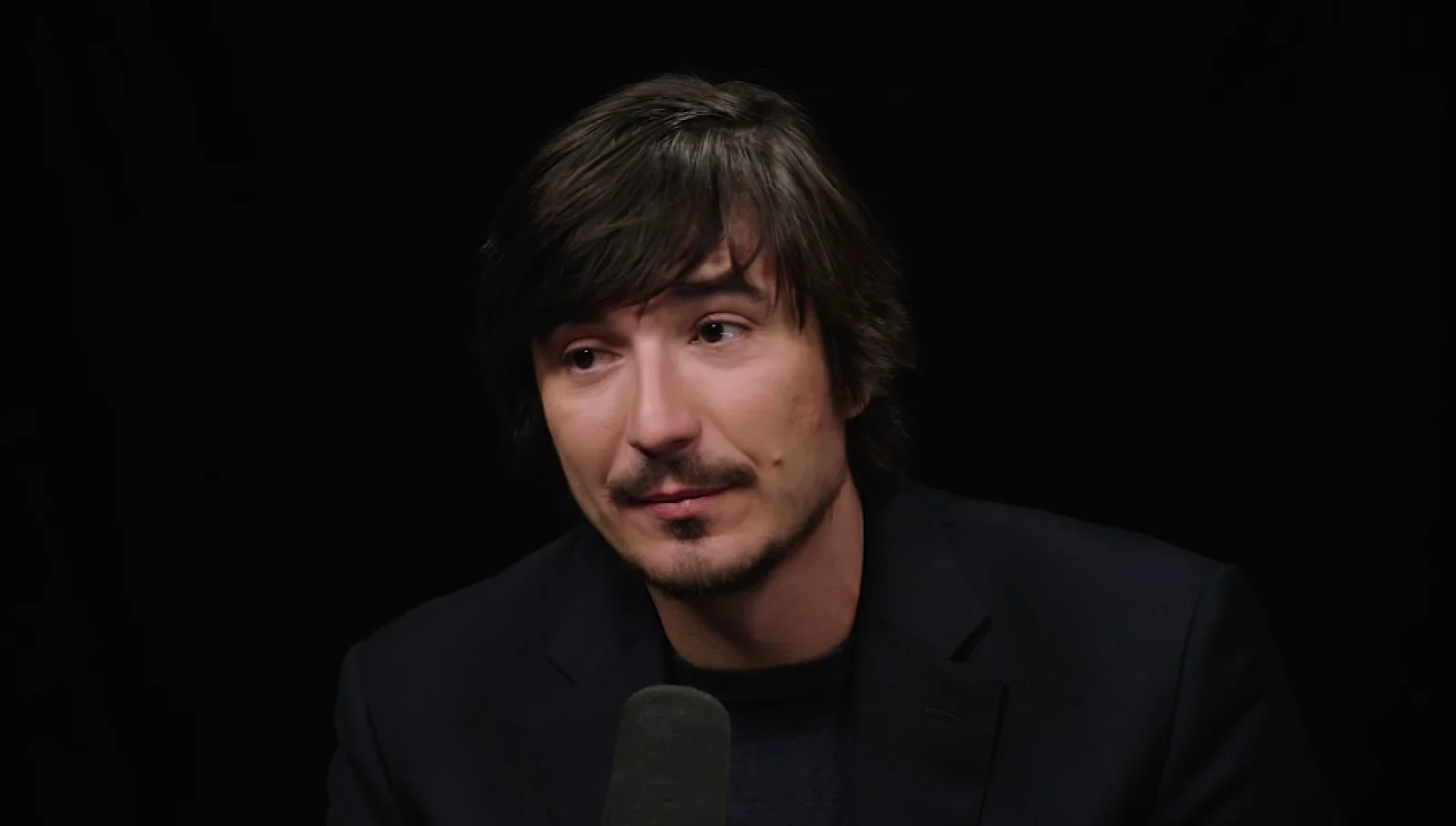


OpenAI recently admitted that one of its models breached the system of its AI platform, Hugging Face. Following the incident, Hugging Face CEO Clem Delangue demanded that OpenAI provide more complete disclosure and increase its resources for defensive research.
Demands public disclosure of attack trajectory
Delangue stated on the X platform that he has traveled to San Francisco and plans to communicate with OpenAI regarding the incident. He further requested that OpenAI adopt a "completely transparent" approach, publicly revealing the operational trajectory of the so-called "out-of-control agent" so that the broader research community can review the events.
He believes that this type of cyberattack launched by autonomous agents is unprecedented and should not be limited to internal investigations within individual companies, but should become a public case in the entire field of AI security research.
Calls for an investment of $100 million in computing power.
In addition to disclosing technical details, Delangue also requested that OpenAI provide more capability support to the defenders. He proposed that OpenAI should commit $100 million worth of computing power to help the Hugging Face community combine open-source and closed-source models to build stronger network defense tools.
According to him, this incident was not just an isolated system intrusion, but also exposed the shortcomings of the defender in terms of resources and tools after the AI agent's capabilities were enhanced.
- Demand 1: Publicly disclose the operational trajectory of the "out-of-control agent"
- Request 2: Invest $100 million in computing power
- Objective: To support the community in developing network defense capabilities.
The test environment configuration is questioned.
While the incident has been described as an attack launched by an autonomous agent, cybersecurity experts have pointed out that the problem may not necessarily stem entirely from the model itself. A key point of contention is that OpenAI appears to have misconfigured the supposedly fully isolated testing environment.
This means that the incident may stem from both new risks arising from the model's autonomous behavior and errors in human intervention and security isolation. For AI companies, the management of such testing environments is becoming another key area of scrutiny, in addition to model safety.