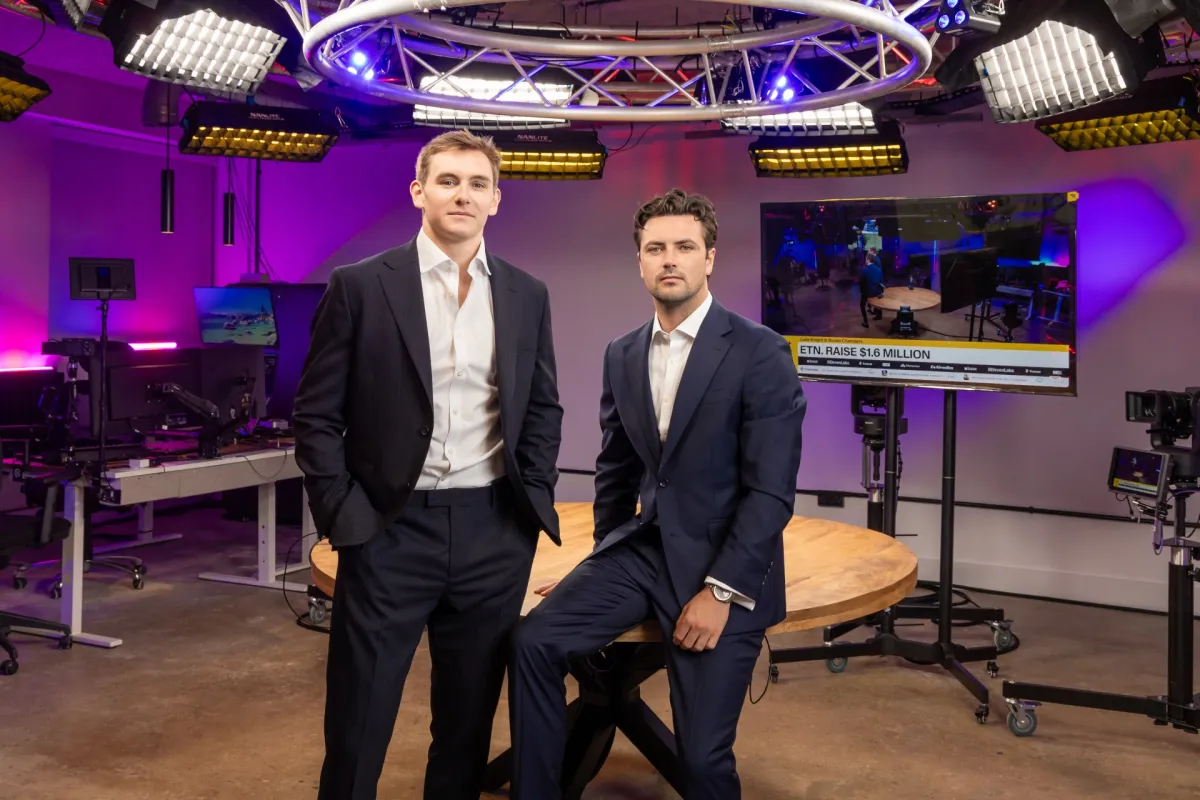


As companies continue to increase their investment in AI programming tools, management is starting to focus more on whether these tools actually lead to efficiency improvements. San Francisco-based Weave recently completed a $13.5 million Series A funding round, focusing on using quantitative methods to evaluate the actual output of engineering teams and AI tools.
The funding round was led by Standard Capital.
This funding round was led by Standard Capital, with participation from Y Combinator, Moonfire, Burst Capital, IrregEx, and Agent Fund. Weave previously raised $4.2 million in July 2025.
The company was a participant in Y Combinator's Winter 2025 program. Weave stated that since its official product launch last February, it has provided output measurement services to over 500 companies and approximately 20,000 engineers, including clients such as Robinhood, Reducto, and PostHog.
Product Focus on AI Spending Returns

Weave's tools track the work of both human engineers and AI programming tools, then aggregate the results into a performance score for enterprise management to evaluate the return on every AI expenditure.
Adam Cohen, co-founder and CEO of Weave, stated that sales teams typically measure performance using clear metrics such as revenue, but engineering teams have long lacked a unified, quantifiable evaluation method. Weave initially aimed to fill this gap with quantitative tools, and this direction later developed into the company's core business.
Enterprises are more focused on controlling AI costs
The report mentioned that earlier this year, many companies encouraged employees to use AI tools more through leaderboards and incentive mechanisms, but subsequently began to tighten related budgets and shift their focus to return on investment.
Against this backdrop, services focused on optimizing AI spending are emerging. Besides Weave, companies like getDX, Jellyfish, LinearB, and OpenRouter are also offering products or services to help businesses control AI costs.
Weave currently charges on a SaaS model, with a standard price of $50 per engineer per month. Enterprise customers can choose different pricing based on team size. The company currently has 16 employees and plans to use this new funding for product development and market expansion.