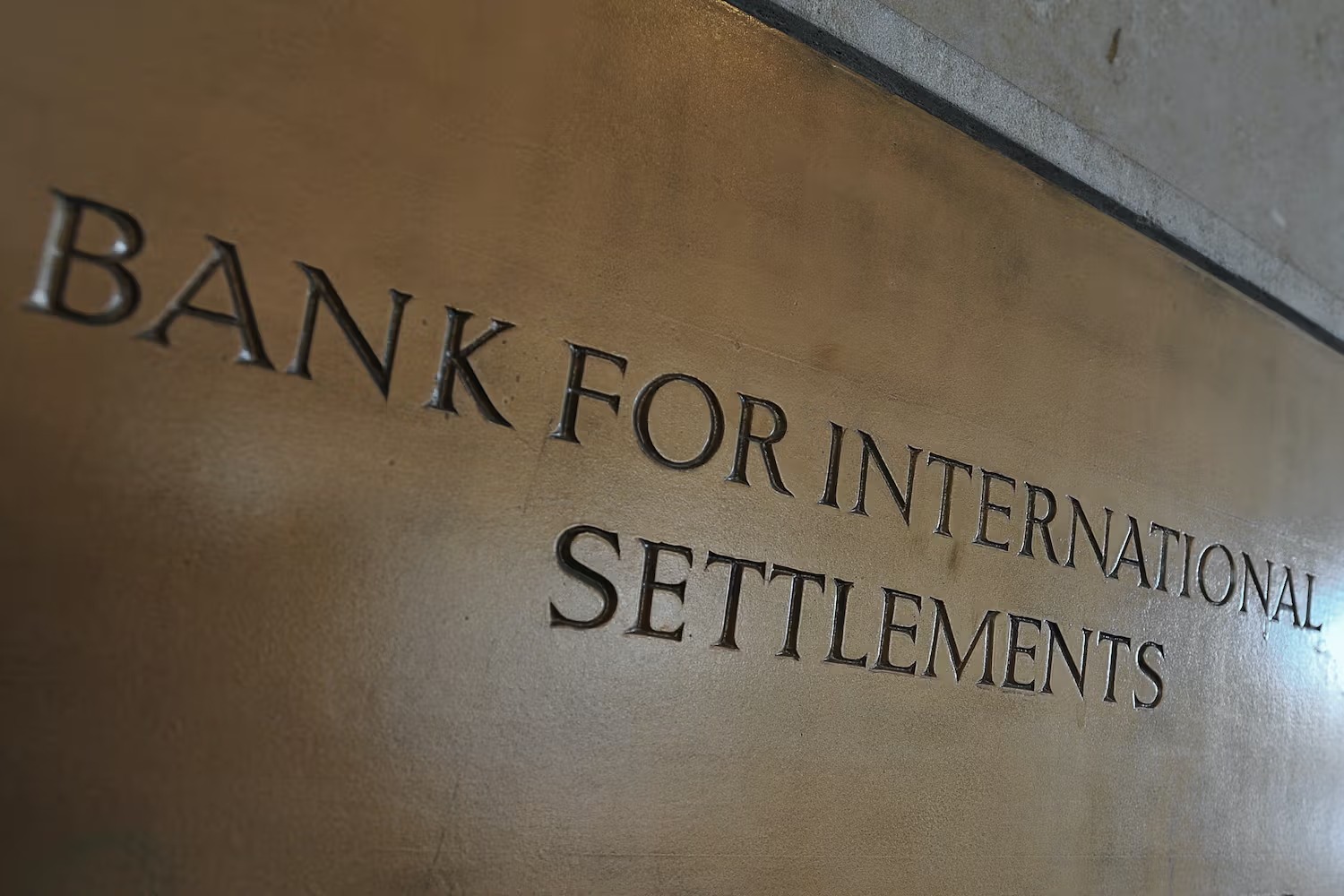


A cross-border payments pilot program led by the Bank for International Settlements (BIS) has completed its in-kind testing. 28 banks, including JPMorgan Chase, Citigroup, UBS, Deutsche Bank, and Standard Chartered, used tokenized central bank reserves and commercial bank deposits to complete approximately $1 million in transactions on a shared ledger, covering six currencies.
Involving six currencies
The pilot program, named Project Agorá, involved five central banks and 28 commercial banks. According to the BIS report, the total value of the test transactions was approximately 800,000 Swiss francs, equivalent to about 1 million US dollars, and involved US dollars, euros, British pounds, Japanese yen, Swiss francs, and South Korean won.
The pilot program processed scenarios including corporate payments, interbank payments, and foreign exchange settlements. The report states that, before the prototype system was directly integrated into existing bank payment infrastructure, a single settlement took an average of approximately 80 seconds.
- Participants: 5 central banks, 28 commercial banks
- Transaction size: Approximately US$1 million
- Settlement currencies: 6 major currencies
Shared ledger replaces multi-level intermediaries
Currently, cross-border payments typically involve multiple correspondent banks. Different institutions maintain separate ledgers, leading to a lengthy final settlement process. This pilot program, however, places tokenized currency on a shared ledger, allowing participating banks to share ownership and payment status records for the same transaction.
BIS is not testing stablecoins issued by private institutions, but rather tokenized forms of two types of traditional bank money: one is central bank reserves used for clearing between commercial banks, and the other is commercial bank deposits held by customers.
Synchronized foreign exchange settlement reduces risk
The pilot program also tested foreign exchange payment scenarios. The two currencies could be exchanged simultaneously, rather than completing settlement on one side first and then waiting for the other to arrive. This approach reduces the risk of one party paying first while the other fails to deliver the other currency simultaneously.
Participating banks also stated that the platform helps track the entire process of a payment from initiation to completion, and can run in parallel with existing payment systems rather than directly replacing existing infrastructure.
Project Agorá is part of a current exploration of wholesale tokenization. As the use of stablecoins and tokenized assets expands in the global financial system, banks and central banks are accelerating tests of how digital currencies can transform cross-border payments and the underlying clearing processes of financial markets.