

Foreign media reports indicate that World Liberty Financial (WLFI), the Trump family's crypto project, approached crypto venture capitalist Nic Carter during its early stages of development in 2024, inviting him to serve as an advisor. However, Carter ultimately declined, believing the project team at the time had limited understanding of the crypto business and a unclear product direction.
Consultant recruitment details revealed
According to a New York magazine investigation into WLFI, Steve Witkoff, a current advisor to Trump and co-founder of WLFI, communicated with Carter at the time. Carter recalled that during the conversation, Witkoff was unfamiliar with crypto, DeFi, and the project's presentation, leading him to conclude that the project was more like a "pre-launch token" rather than having a clearly defined product.
Carter also mentioned a detail that struck him: when Witkoff explained why Trump started paying attention to the project, he mentioned that Barron Trump was in contact with meme coins but didn't even know how to pronounce the term. This statement was subsequently used by foreign media as evidence of the project's lack of early preparation.
How to start WLFI
WLFI was first teased on social media by Trump and his two eldest sons in August 2024. A month later, the project released a so-called "Gold Paper," positioning itself as a decentralized finance project with the goal of expanding the accessibility of financial opportunities.
The document lists Trump, his three children, and Steve Witkoff as co-founders. It also includes Witkoff's two sons, network marketers Chase Herro and Zak Folkman. Both Trump and Witkoff resigned from their positions at WLFI after Trump took office as President of the United States in January 2025.
Justin Sun's involvement led to a falling out with him.
Reports indicate that TRON founder Justin Sun transferred $45 million to WLFI in 2024 in exchange for WLFI tokens, and subsequently joined the project's advisory team. Foreign media reports suggest that Sun's involvement significantly increased the project's market attention and helped WLFI attract more funding.
However, the relationship between the two parties subsequently deteriorated. In April of this year, Sun sued WLFI, accusing it of fraud and breach of contract, and froze its holdings of WLFI tokens. WLFI, in turn, filed a defamation lawsuit against Sun, and the dispute between the two parties has entered the litigation stage.
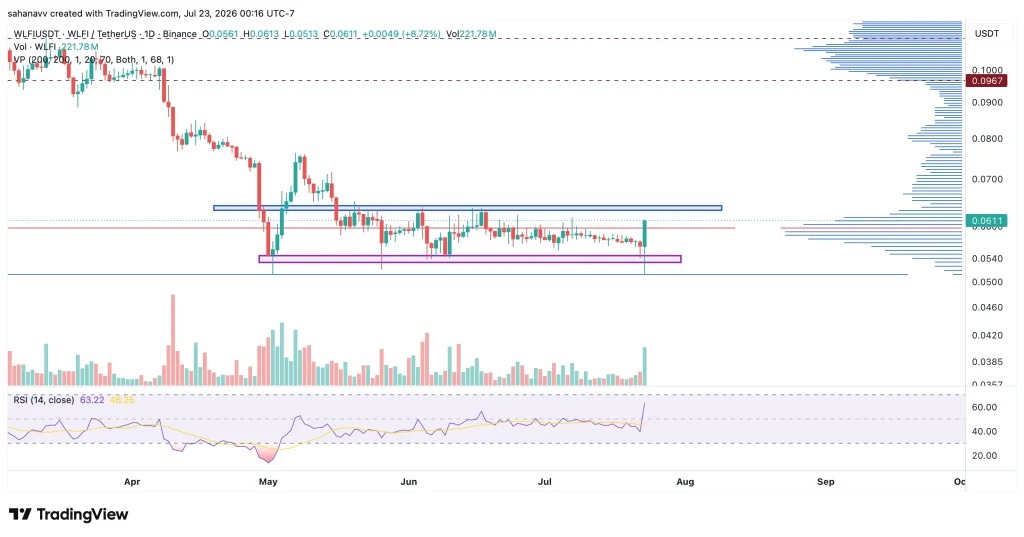
From a market perspective, the WLFI token has fallen by more than 80% in price since it began trading on the public market last September, resulting in significant losses for holders. This recent foreign media report has brought renewed attention to the project's early operations, internal roles, and relationships with major investors.