

Trump again pressured the Federal Reserve on interest rates, saying the U.S. should cut rates more significantly to achieve the lowest borrowing costs globally. This statement brought the White House's public demands for monetary policy back to the forefront and drew market attention back to the path of U.S. interest rates.
Directly targeting financing costs
Trump's core statement was that the United States should not lag behind other major economies in borrowing costs. He believed that if interest rates fell more quickly, the financing pressure on businesses and households would be alleviated, and the government's cost of capital would also likely decline.
In the current environment, interest rate levels not only affect consumption, real estate, and corporate investment, but also influence the valuation of dollar-denominated assets. When the president publicly comments on interest rate direction, it often sparks discussions in the market about policy coordination and central bank independence.
The White House and the Federal Reserve are at odds again.
Trump has repeatedly criticized the Federal Reserve for maintaining high interest rates during his presidency. His renewed call for rate cuts indicates that he still views lower financing costs as an important tool for boosting economic and market performance.
However, the Federal Reserve's decisions are typically based primarily on inflation, employment, and financial conditions. Even with increasing political pressure from the White House, whether the Fed adjusts its policy will still depend on subsequent economic data and the judgments of its officials.
The market is watching for further signals.
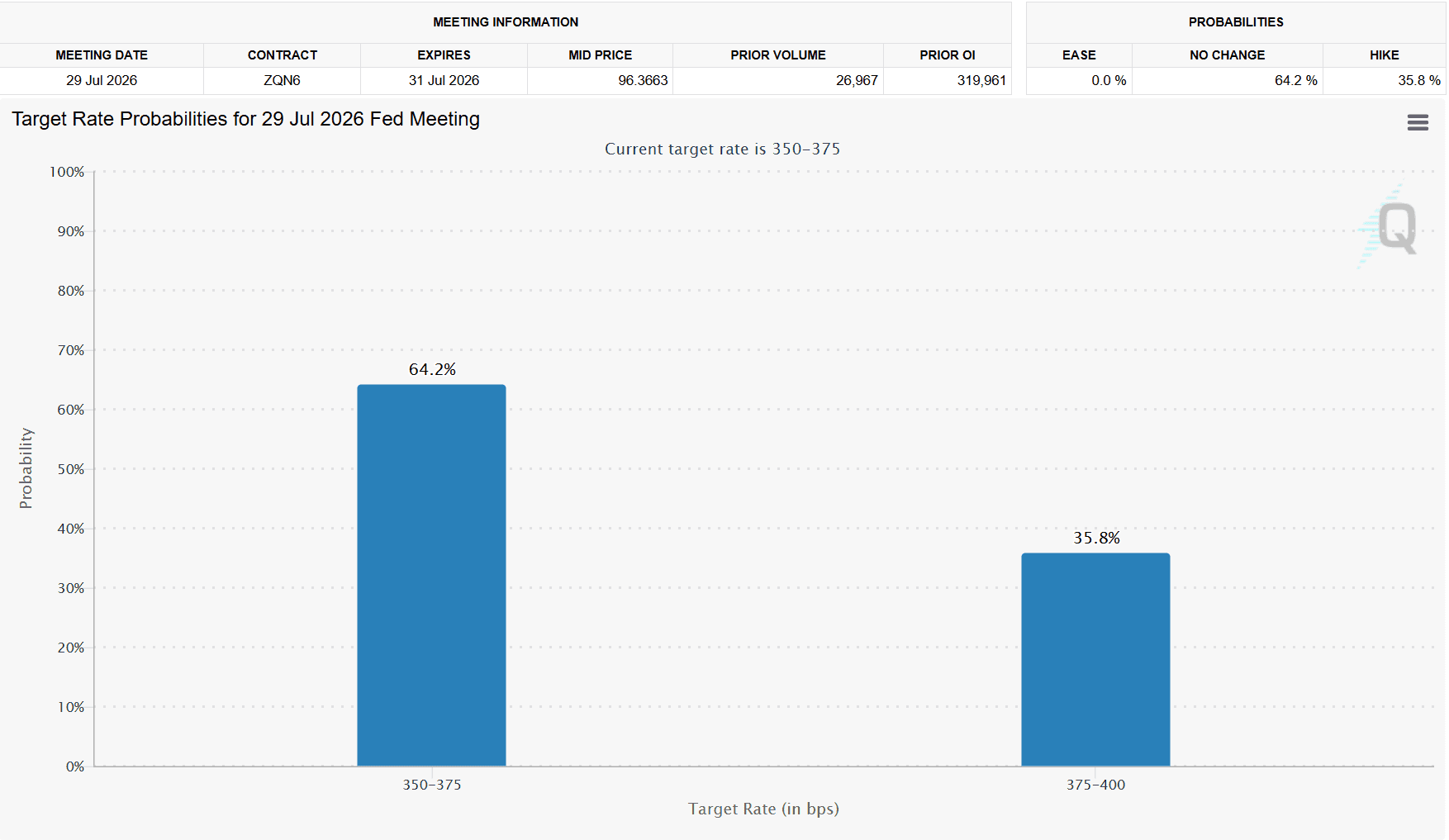
Changes in interest rate expectations typically have a rapid impact on risk markets such as bonds, the US dollar, US stocks, and crypto assets. If the market perceives an increased probability of interest rate cuts, both short-term and long-term interest rate pricing may adjust accordingly.
Going forward, investors will be paying close attention to two types of signals: first, whether Trump will continue to intensify his public pressure; and second, whether Federal Reserve officials will release clearer policy signals after speeches or meetings. The combination of these two factors could influence market expectations regarding the path of interest rates in the second half of the year.