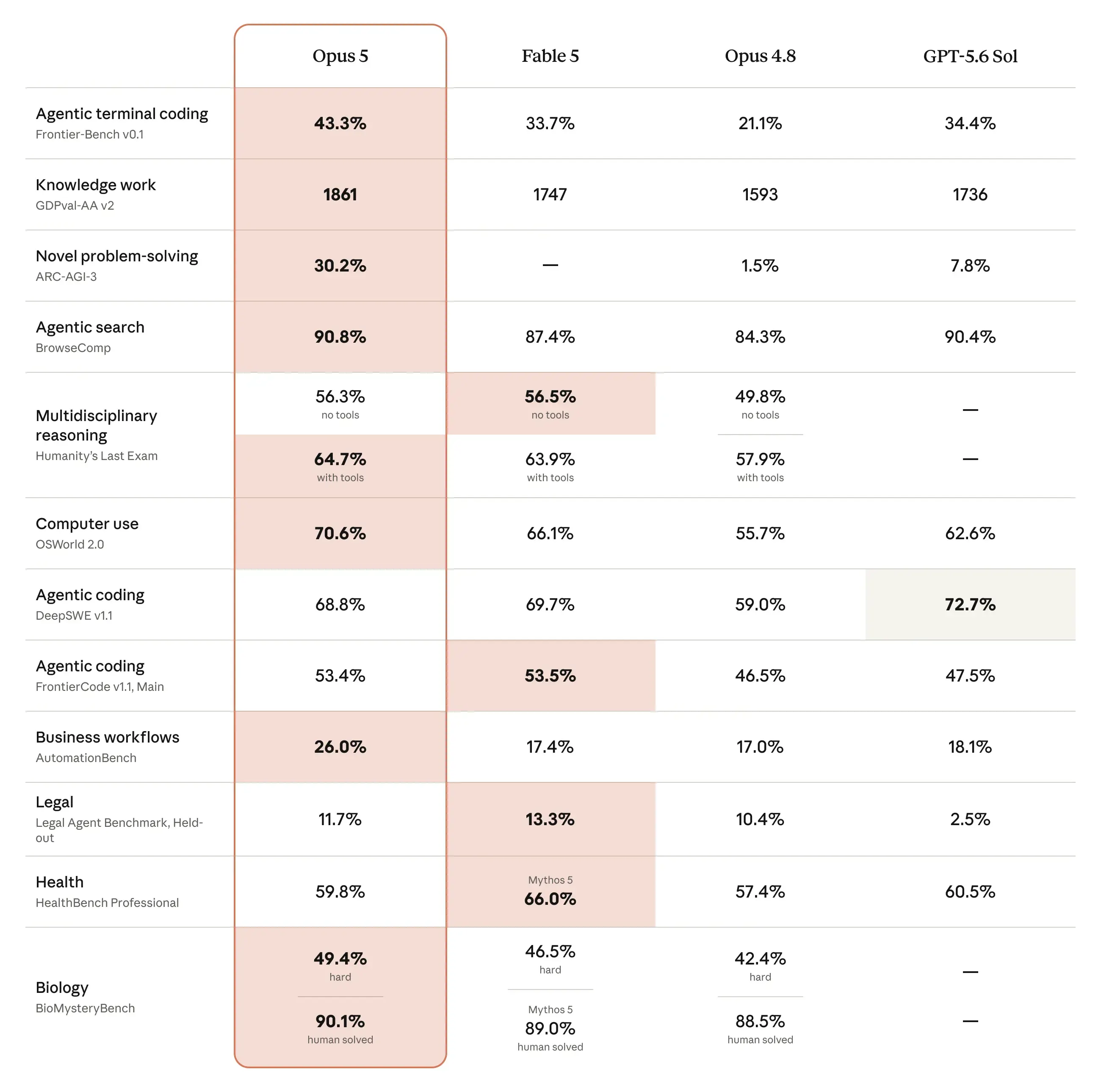
Following the release of Claude Opus 5 by Anthropic, a short three-word prompt has garnered attention in the developer community. AI investor and former HyperWrite CEO Matt Shumer showcased a first-person shooter game that runs in a browser, claiming it was built entirely by Claude in a single session and that no external assets were used in the project.
Three prompts drive collaboration
This case has garnered discussion not only because the finished product is playable, but also because the prompts themselves are very short. Unlike past prompt engineering approaches that emphasized detailed requirements, this method only sets the goal: to create a shooting game approaching the quality of recent Call of Duty titles, then breaks down the task into multiple sub-agents and allows independent reviewers to repeatedly identify and correct errors.
Shumer later released the complete prompts and code repository, calling the method the "Gauntlet Loop." The core approach is to first give the model a clear, observable, and comparable goal, rather than a long list of construction details; then let the model break down the task itself, assigning different parts to independent sub-agents; finally, a review module that is not involved in the construction continuously scores and provides suggestions for improvement.
The finished product runs in the browser
According to publicly available information, this game runs on Three.js and WebGL2, with approximately 55,000 lines of code distributed across 11 subsystems. Textures, models, animations, and sound effects are all generated when the browser loads; there are no additional downloads of model, image, or audio files.
Shumer's review logs show that the system underwent continuous improvement through multiple iterations, but its score consistently lagged behind real Call of Duty footage. This means that the so-called "one-time generation" does not mean that the model completes all the work directly in a few minutes, but rather that the results are gradually improved through repeated corrections within a single session.
Reproduction and doubts arise simultaneously
After the hint was made public, several developers began to reproduce the game. Former hedge fund manager James Altucher used the same hint and claimed to have spent about 10 hours and about 1.3 million tokens to create a browser-based shooter game called "Operation Blackout." Other developers submitted the same request to models within the OpenAI ecosystem, demonstrating similar results.
However, the point of contention lies in whether the "generating from scratch" approach holds true. First-person shooter games are among the most resource-rich genres in terms of programming, with the relevant perspective control, movement, and shooting logic already abundantly available in open-source codebases. The article mentions that researchers often refer to this type of problem as "data pollution," meaning that a model's excellent performance may partly stem from a large number of approximate samples already present in the training data, rather than entirely from new solutions derived through on-the-spot reasoning.