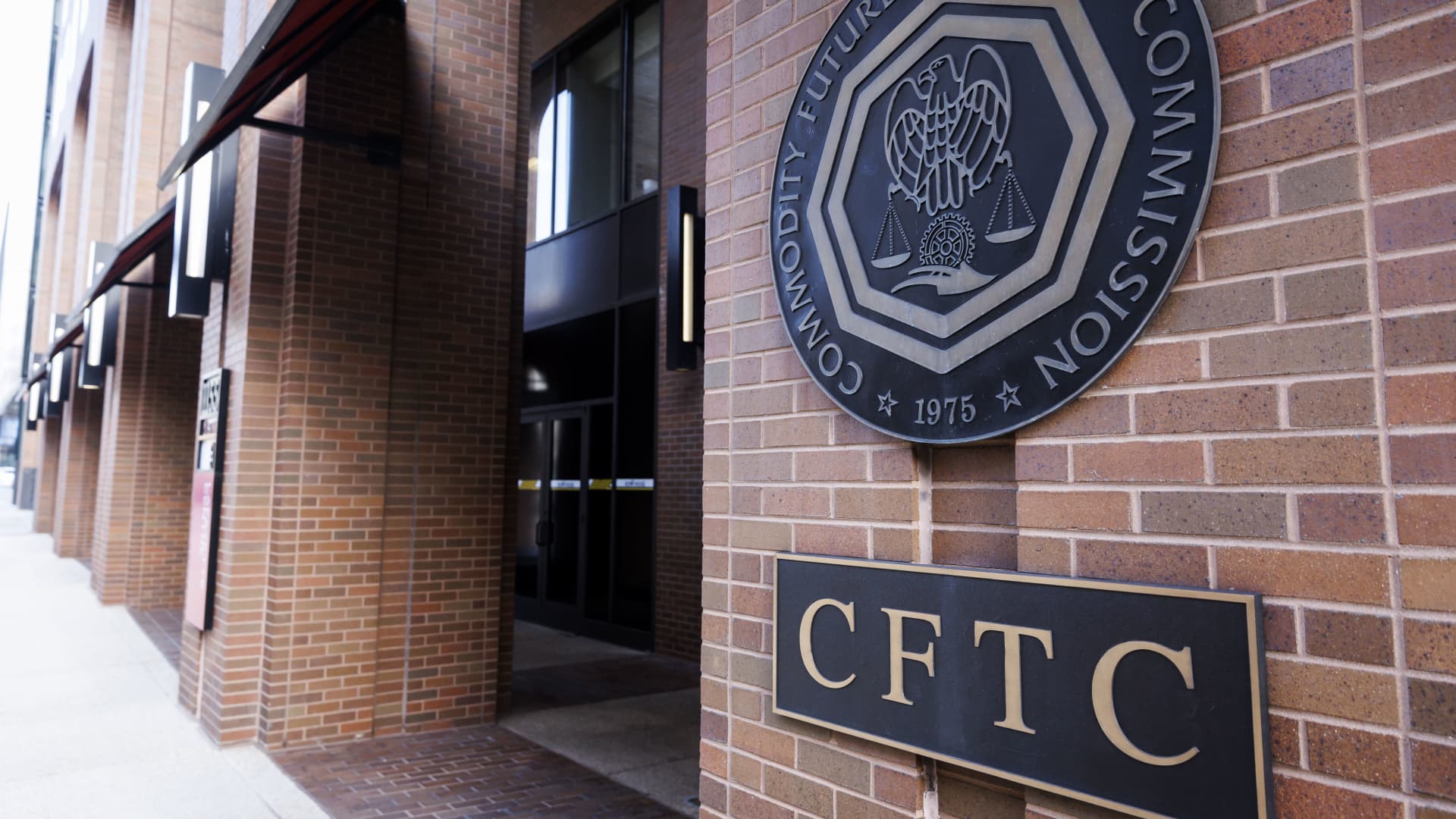


On Monday, attorneys general from 44 U.S. states sent a letter to the Commodity Futures Trading Commission (CFTC), stating that the agency has no authority to regulate sports-related event contracts on prediction market platforms. This comes just after the CFTC's first draft rule for regulating prediction markets closed for public comment, with sports-related products becoming the focus of the controversy.
44 states are calling for a restart of rulemaking.
In a letter, the coalition of state attorneys general stated that the draft bill exceeds the CFTC's statutory authority and conflicts with state-level regulatory power over sports betting and gambling. The letter demands that the CFTC restart rulemaking and clarify that sports betting and gambling products cannot be traded on designated contract markets, but should be governed by state laws.
However, not all states joined the petition. Florida, Georgia, New Hampshire, Missouri, and Texas did not sign the letter.
Sports contracts become the focus of competition
Over the past year, trading volume on prediction market platforms has increased significantly, with sports-related contracts being one of the main driving factors. With the 2026 World Cup drawing increased attention, the trading volume on these platforms has further expanded, also accelerating the public exposure of jurisdictional conflicts between federal and state governments.
The CFTC and some prediction market platforms believe that all event contracts are essentially derivatives such as swaps and should be regulated by the federal CFTC. However, several state governments argue that sports event contracts are highly similar to traditional sports betting and therefore should fall under state regulation.
The definition of “gaming” has sparked controversy.
In its draft rules released in June, the CFTC focused on which sports-related event contracts might be prohibited and attempted to define "gaming." According to the draft, such activities are recreational, rule-bound, have measurable outcomes, and are determined by the skill involved in the activity.
This wording has sparked disagreement among market participants. CME Group, in its comment letter, argued that defining "gaming" as the sporting activity itself, rather than financial betting surrounding it, could be interpreted as federal law superseding state sports regulations. Rothera, a newly launched prediction market platform, supports this line of thinking, arguing that defining it around "betting" would encompass almost all event contracts.
The courts in different states have inconsistent rulings.
Jurisdiction disputes surrounding prediction markets have reached multiple state courts. The CFTC is currently litigating with nine states across the U.S. to maintain its exclusive regulatory authority over prediction markets.
Recent judicial outcomes have been inconsistent across different regions. In late June, a Michigan judge blocked Kalshi from offering sports betting products in the state; while on Monday, a federal judge in Minnesota temporarily halted the state's ban on prediction markets, which was scheduled to take effect this Saturday.