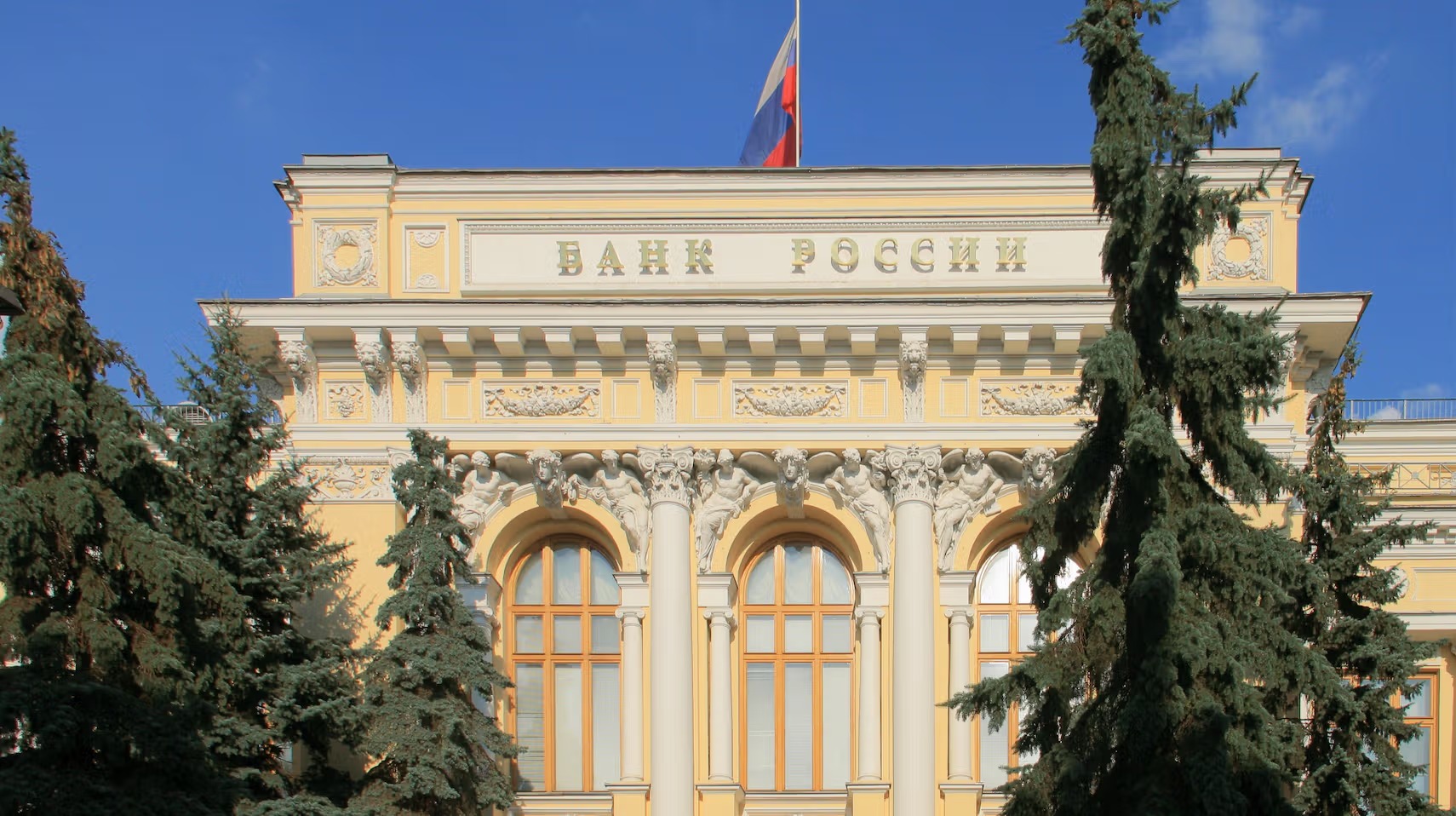


Russia is pushing forward with the institutionalization of cryptocurrency trading. The Central Bank of Russia announced on Monday that it has released a draft revision of rules on "organized trading," proposing to formally incorporate "digital currencies" into the relevant institutional framework. This means that regulated exchanges in Russia will be able to conduct cryptocurrency trading arrangements under unified rules in the future.
The transaction method needs to be clearly defined.
According to the draft, each exchange will need to specify the trading methods for relevant products in its own business rules and will be responsible for calculating the market price and weighted average price of these instruments. One of the key points of the new arrangement is to integrate crypto assets into the existing organized trading system, rather than establishing a completely separate set of market rules.
Digital custody institutions set capital thresholds
In addition to trading rules, the Central Bank of Russia has also designed entry requirements for "digital custodian institutions." These institutions will be responsible for recording information related to cryptocurrencies and digital rights. According to the draft, these market participants must have a minimum capital of 50 million to 250 million rubles.
This arrangement shows that regulators are not only focusing on the transaction process, but also simultaneously building infrastructure such as custody and registration to support more formal market operations.
Russia has been gradually easing its stance on encryption in recent years.
Over the past year, Russia's attitude towards the crypto industry has clearly shifted. The article mentions that some private banks in Russia have begun offering crypto-related services. If these rules are ultimately implemented, it will signify further progress in Russia's efforts to legalize crypto transactions.
Russia previously did not recognize Bitcoin and Ethereum as forms of real currency. However, this shift in regulatory stance has led to a continued increase in their presence in the Eastern European cryptocurrency market.
Geopolitical and settlement factors still play a role.
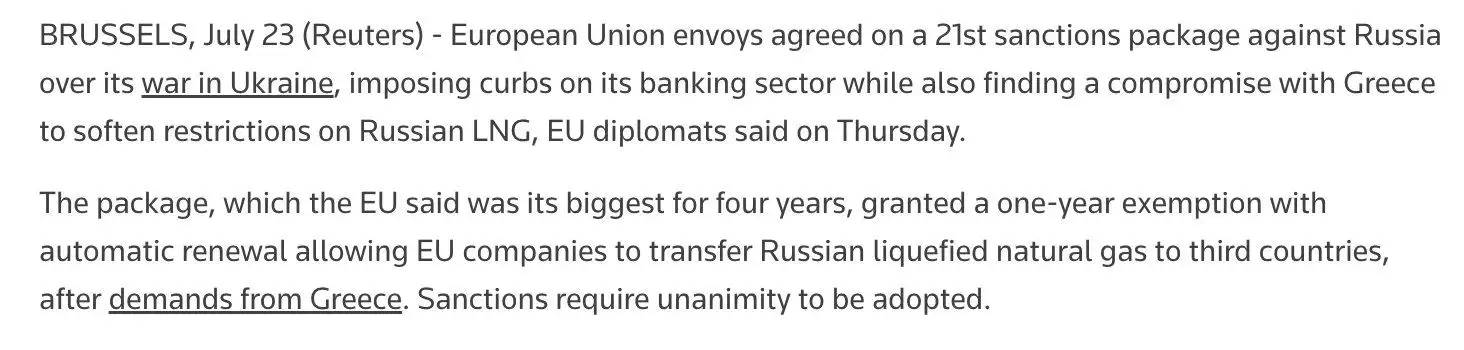
The report also noted that the relationship between Russia's development of the cryptocurrency market and the international sanctions environment has long been a focus of international attention. Since the Crimean crisis in 2014, the United States and Europe have imposed multiple rounds of sanctions on Russia; after the escalation of the Russia-Ukraine conflict in 2022, the restrictions were further tightened.
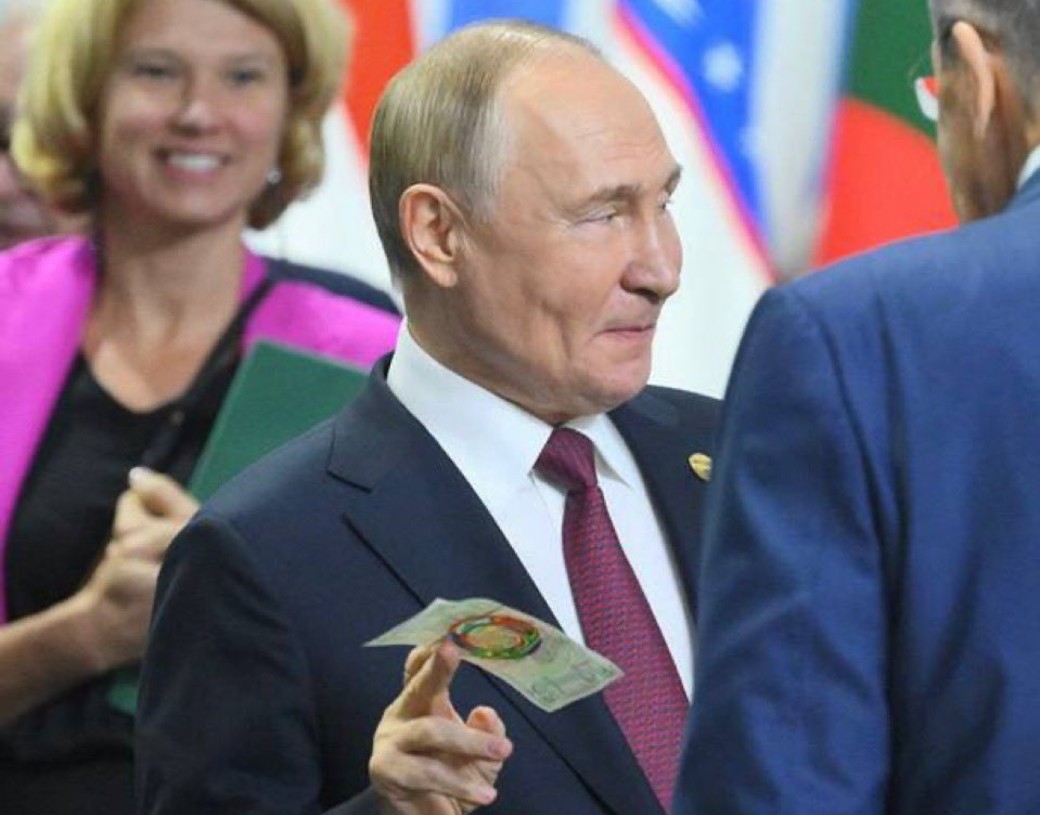
In December 2024, Russian President Vladimir Putin stated at a forum in Moscow that new technologies are emerging that can help people transfer funds. Based on this, the report suggests that Russia's push for crypto infrastructure development is also related to the demand for cross-border fund flows and alternative settlement tools.