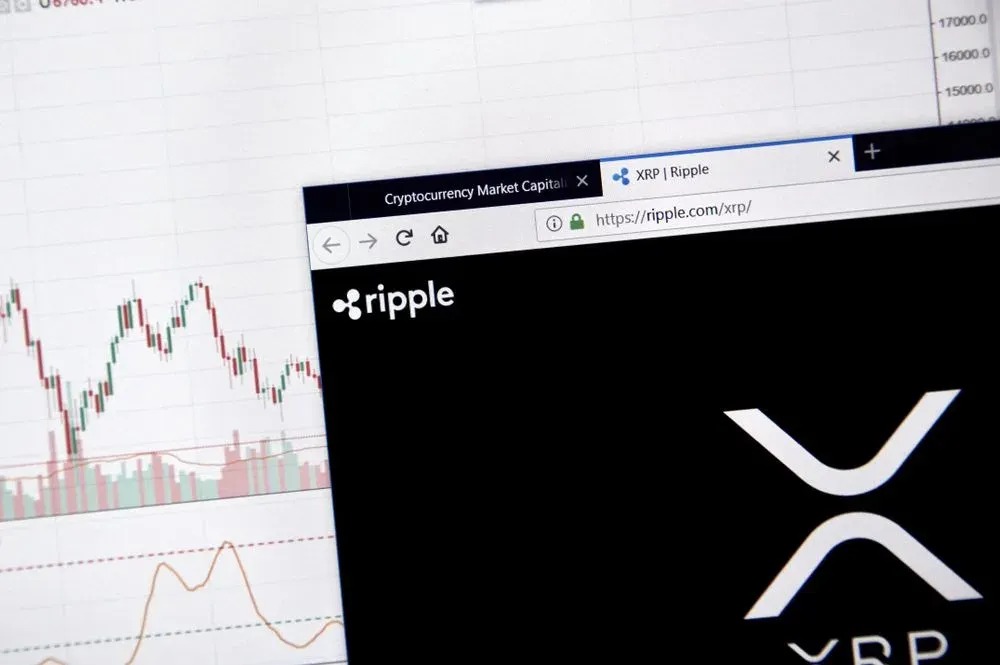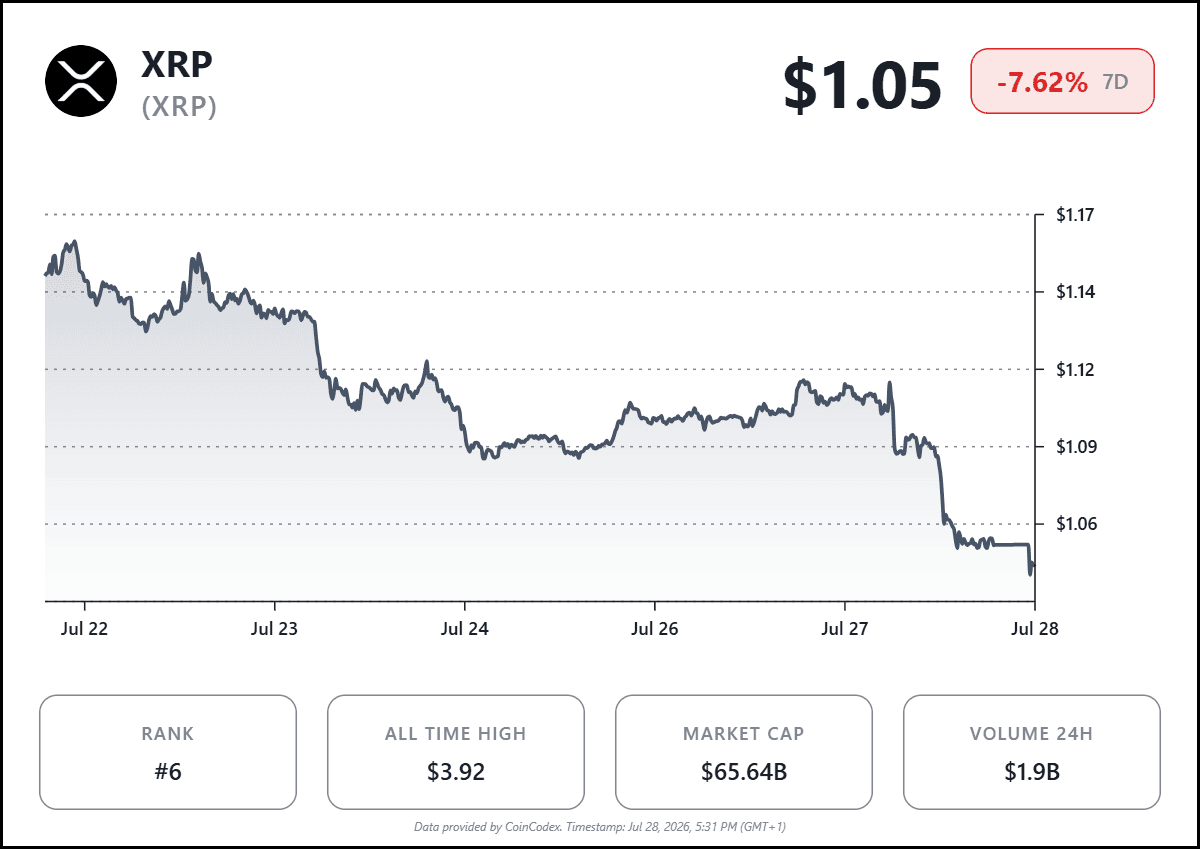


Foreign media reports indicate that Evernorth believes XRP's core purpose lies not in transactions, but in serving as a settlement channel within the modern financial system. Their assessment is that institutions will require faster cross-border fund transfers in the future, and XRP and XRP Ledger (XRPL) are attempting to fill this role.
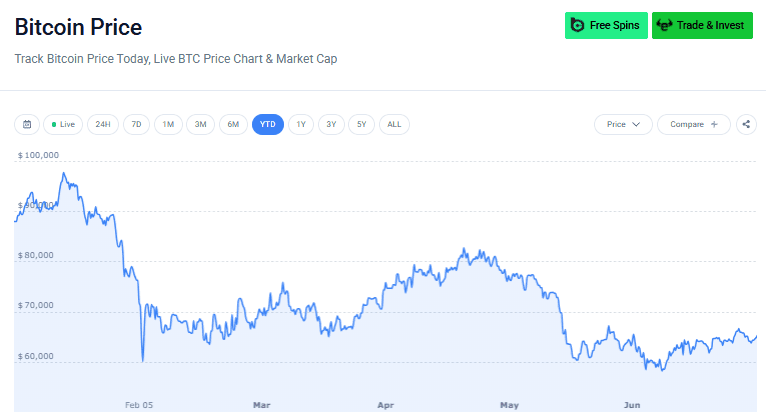
Evernorth's Chief Business Officer, Sagar, stated that XRP is designed for fund transfers, unlike Bitcoin, which is more commonly seen as a store of value. According to him, XRP allows funds to be settled on-chain within seconds and then returned to the traditional financial system as needed.
Targeting cross-border settlement scenarios
Evernorth believes that current cross-border payments still rely on correspondent banks and multiple intermediaries, resulting in lengthy processes and higher costs. In contrast, XRPL aims to compress clearing and settlement into shorter timeframes and improve the transparency of fund flows.
In this narrative, XRP is described as a neutral bridging asset. Its role is to help institutions allocate liquidity across different currencies and systems and facilitate cross-border payments and fund settlements. The article argues that this use is closer to its role as financial infrastructure than simply cryptocurrency trading.
XRPL advances multiple native functions
Evernorth also mentioned that XRPL is advancing several native capabilities with the goal of supplementing the financial tools commonly used by institutions.
- Batch Payment (BATCH): Supports processing large numbers of transfers at once.
- Privacy-Fidential Transfers: Enhancing transaction privacy while preserving on-chain efficiency.
- On-chain lending: Providing programmable lending scenarios for enterprises and financial institutions.
In addition, XRPL was mentioned as developing streaming and conditional payments. The former is suitable for continuous, real-time small transfers, while the latter can automatically release funds after preset conditions are met. These types of functions are typically used for automated settlement, subscription services, and programmable business processes.
The goal is not limited to payment networks
According to Evernorth, XRPL's goal is not just to create a payment chain, but to integrate payments, lending, privacy, and automated settlement into a single on-chain infrastructure for direct use by institutions.
The article also mentions that the adoption of XRP in the Japanese market is considered one of the supporting factors in this direction. Evernorth believes that with a clearer regulatory environment, continued progress of blockchain projects, and the long-term cooperation with SBI Ripple Asia, Japan has become one of the most active markets for XRP in the fields of cross-border payments and digital asset infrastructure.
Overall, the core argument of this article is that the long-term value of XRP depends on its ability to serve as a connecting layer between traditional finance and blockchain, rather than simply existing as a trading instrument.