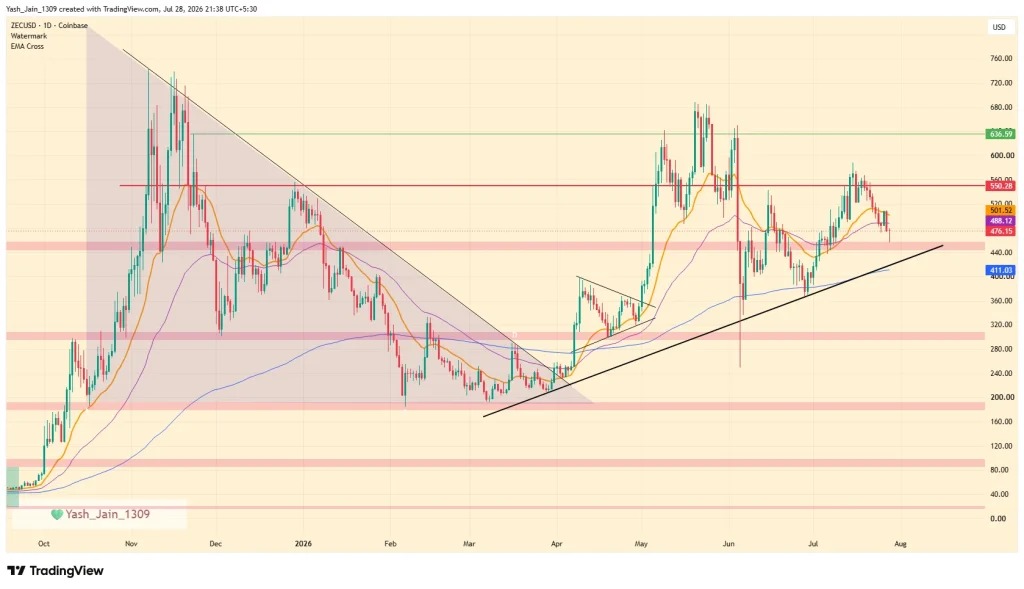


Foreign media reports indicate a shift in the relative strength of the US stock market over the past month, with crypto stocks generally outperforming AI and semiconductor sectors. The article cites individual stock and Bitcoin price movements, suggesting that some funds are shifting from overvalued AI trading to digital asset-related targets.
Individual stock performance diverged.
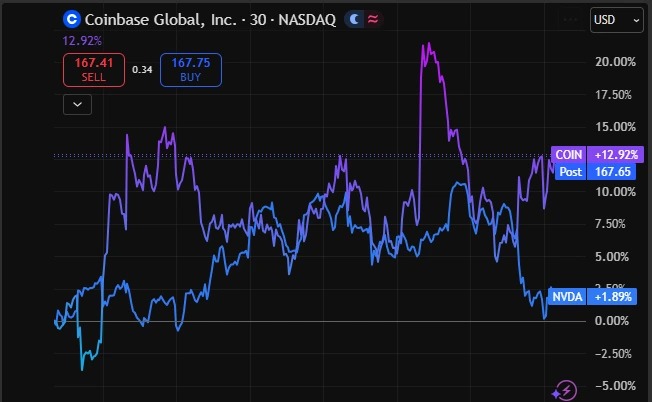
The article mentions that US cryptocurrency exchange Coinbase rose 14.85% in the past month, while Nvidia fell 0.29% during the same period. In another comparison, Strategy, known for its Bitcoin treasury strategy, rose 10.62%, while Palantir fell 1.75%.
Based on this, the article argues that the market is more willing to allocate to stocks that are more strongly correlated with the price of crypto assets in the near term, rather than continuing to chase AI hardware and software companies that have previously seen significant gains.
- Coinbase: Up 14.85% in the past month
- Nvidia: Down 0.29% in the past month
- Strategy: Up 10.62% in the past month
Three reasons why the AI sector is under pressure
The article attributes this shift in relative performance to three factors. First, there's the pressure of capital expenditure. Investors are beginning to worry that the high investments by large tech companies in AI infrastructure haven't yet translated into sufficiently clear returns in the short term.
Secondly, intensified overseas competition has weakened market expectations of a Western monopoly. The article mentions that the progress made by Chinese companies in chip manufacturing equipment and AI models is narrowing the gap with leading companies, which is also putting pressure on the valuation of the AI industry chain.
Funds are shifting towards digital asset-related assets.
Third, the improved performance of new AI models in programming, mathematics, and structured tasks indicates that competition in the industry is intensifying. The article argues that this shift is impacting investors' assessments of the continued leading capabilities of AI giants.
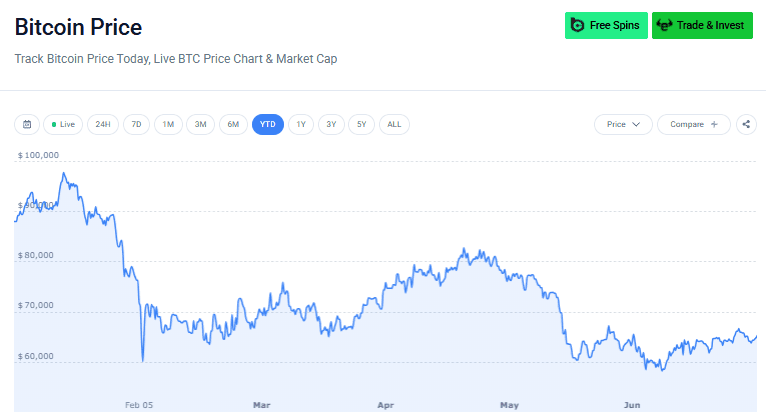
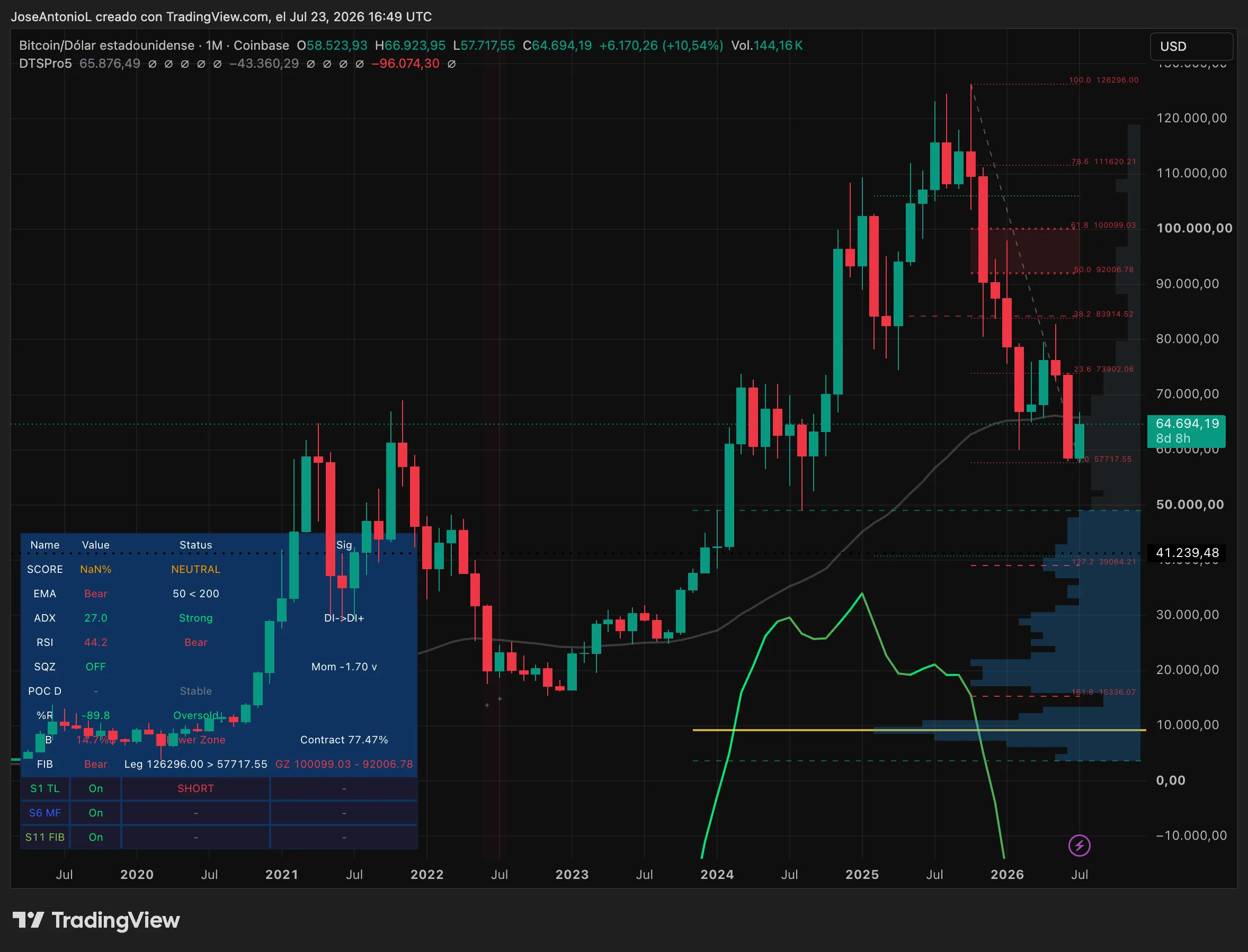
Against this backdrop, the article argues that some funds flowed out of the AI sector and into crypto assets and related stocks. During the same period, Bitcoin rose 7.82%, and the overall market capitalization of the crypto market increased from $2.05 trillion to $2.19 trillion.
This also explains why trading platforms and Bitcoin treasury companies performed better. Their correlation with crypto asset prices, trading activity, and market sentiment is more direct, making them more likely to attract funding when risk appetite recovers.
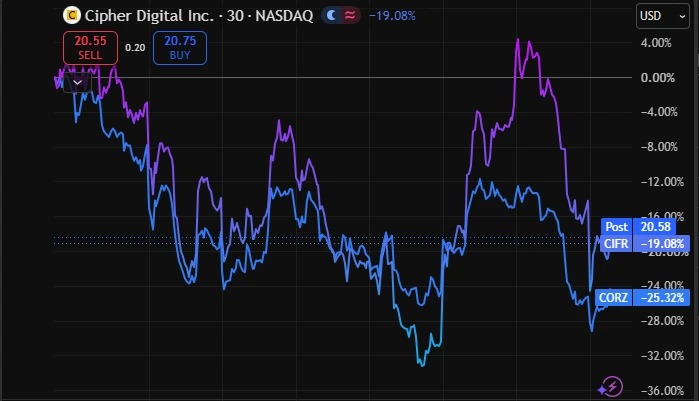
However, the article also mentions that not all crypto stocks are performing in tandem, with mining companies being a relatively lagging exception. The original article did not elaborate on specific stocks, but pointed out that the sector still faces its own pressures and therefore has not fully kept pace with this rally.
The two main storylines are still ongoing.
The article concludes that both crypto and AI are currently at important stages. For the crypto industry, regulatory compliance remains a key focus; for the AI sector, the market is more concerned about whether high investment can continue to generate performance, and whether valuations will need to be readjusted as industry competition intensifies.