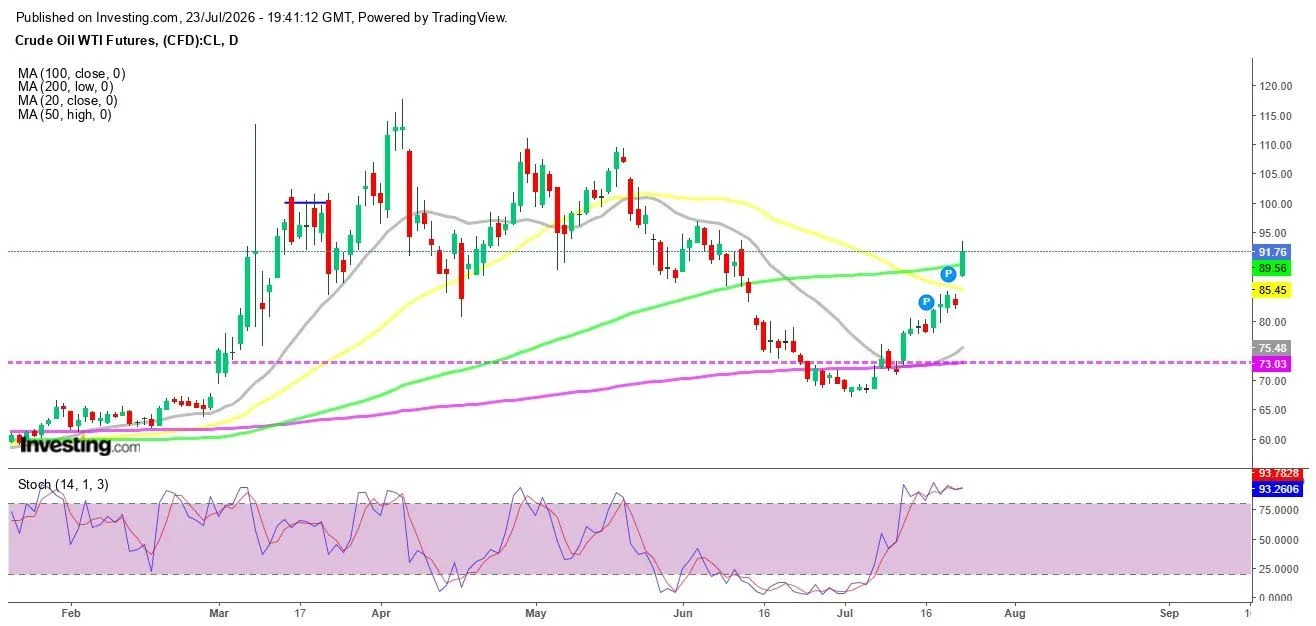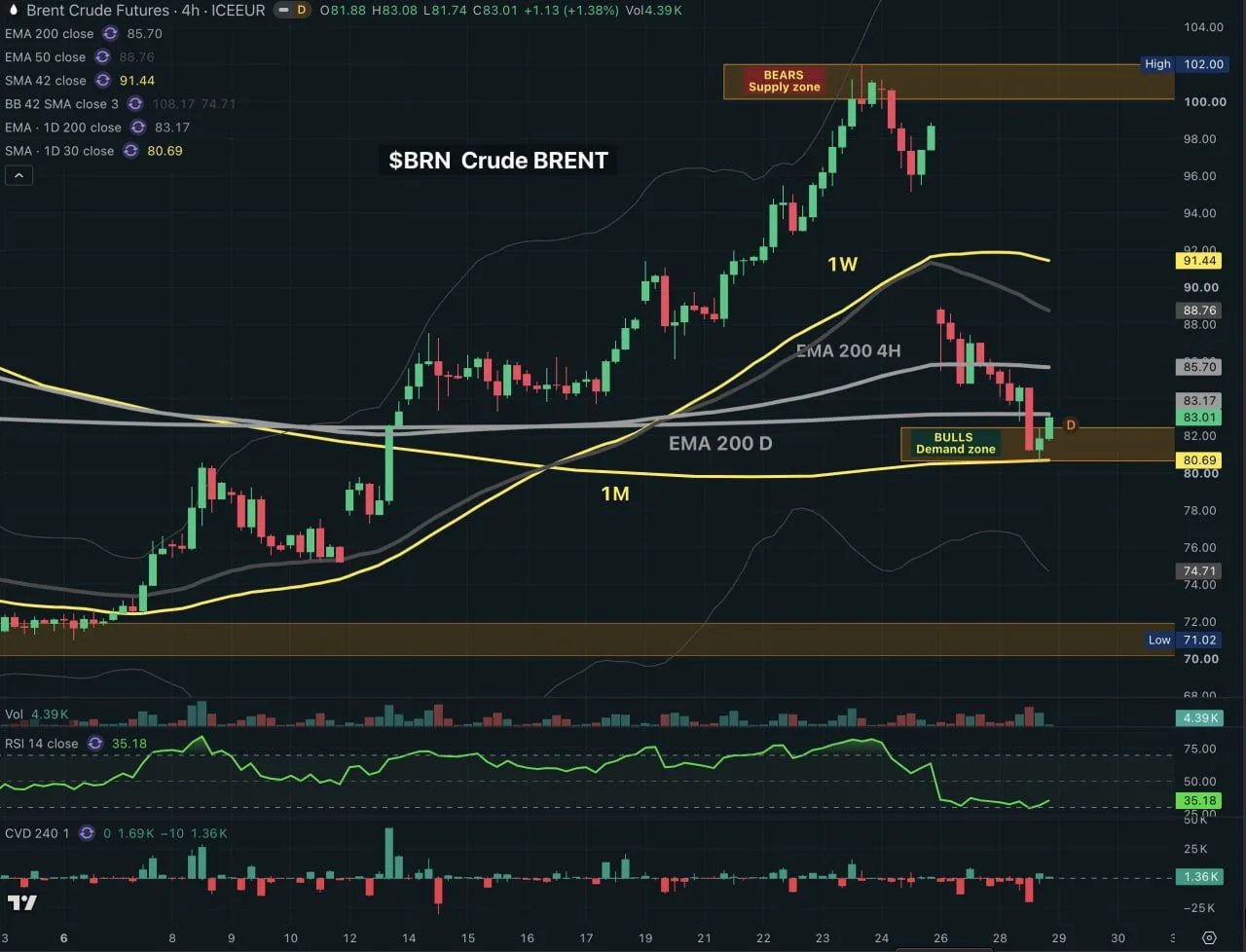


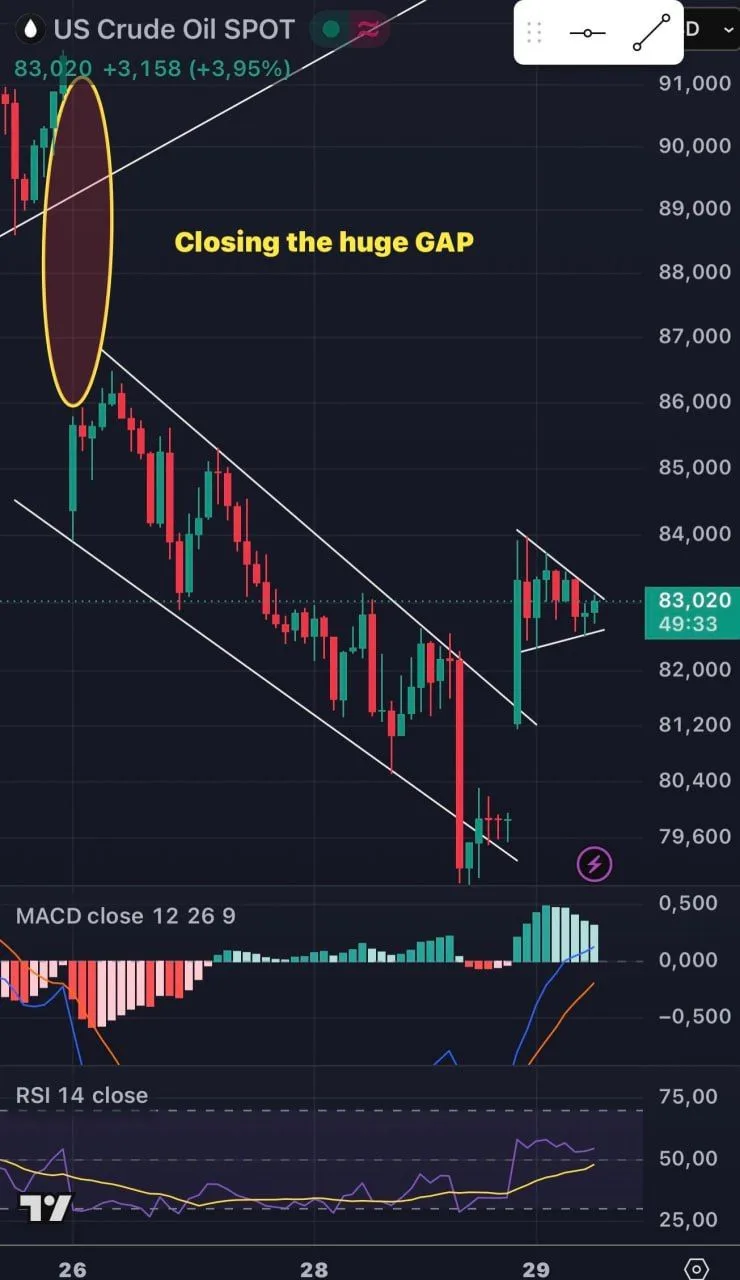
The oil market quickly shifted after tensions in the Middle East escalated again. Market concerns about disruptions to Middle Eastern supply and transportation drove a significant rebound in international oil prices on Wednesday, recovering some of the previous day's losses.
As of 6:45 GMT on Wednesday, Brent crude futures rose $2.70 to $86.79 a barrel, a gain of 3.2%; WTI crude futures rose $2.65 to $81.91 a barrel, a gain of 3.3%. The previous day, driven by expectations of diplomatic progress, both benchmark oil prices had fallen to two-week lows.
Risks in the Strait of Hormuz are once again under scrutiny.
The shift in market sentiment stemmed primarily from escalating tensions between the United States and Iran. The report noted that the US and Saudi Arabia launched strikes against Iranian-backed armed groups in Iraq, and the US military stated it intercepted Iranian missiles targeting US forces. Meanwhile, Iran rejected a proposal from Oman concerning the control of the Strait of Hormuz.
Shipping data further exacerbated supply concerns. Only eight cargo ships passed through the Strait of Hormuz on July 28, compared to just one earlier on Wednesday. Although traffic in the Bab el-Mandeb Strait has rebounded to a one-week high, the Houthi threat to Saudi shipping continues to put pressure on the Red Sea route.
US inventory data becomes the short-term focus.
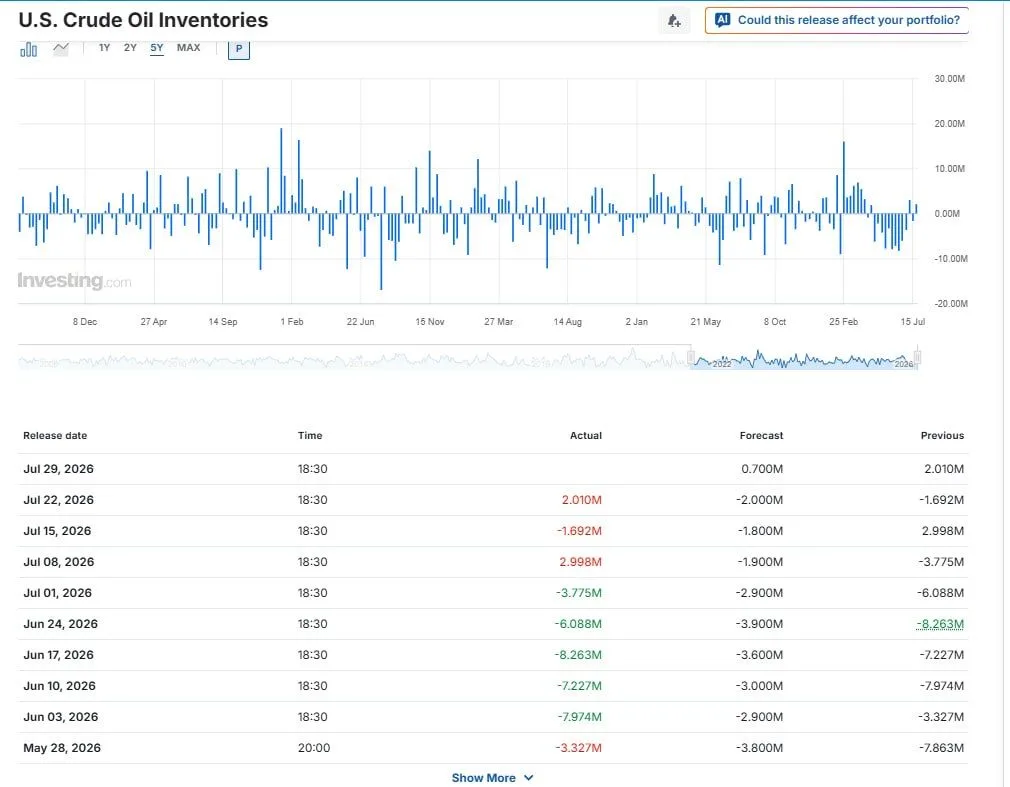
Data from the American Petroleum Institute showed that U.S. crude oil inventories fell by approximately 3.3 million barrels last week. Gasoline inventories rose by 918,000 barrels and distillate fuel inventories increased by 355,000 barrels during the same period. A Reuters poll had previously predicted a decrease of 1.3 million barrels in U.S. crude oil inventories.
The market will now focus on official inventory data released by the U.S. Energy Information Administration. If crude oil inventories fall more than expected, it could continue to support oil prices; however, if both crude oil and refined product inventories rise simultaneously, it could limit the upside potential of this rebound.
The OPEC+ production increase plan is still pending confirmation.
Besides geopolitical tensions, another variable on the supply side comes from OPEC+. The organization plans to increase production by 188,000 barrels per day in August and will meet again on August 2nd. Reuters reports that OPEC+ may approve a similar production increase in September and suspend further increases in October, but oil-producing countries have not yet made a final decision.
Overall, the current oil price rebound is mainly driven by geopolitical risks. Whether it can continue depends on the situation in the Middle East, the actual recovery of shipping, and changes in US inventories and OPEC+ supply arrangements.