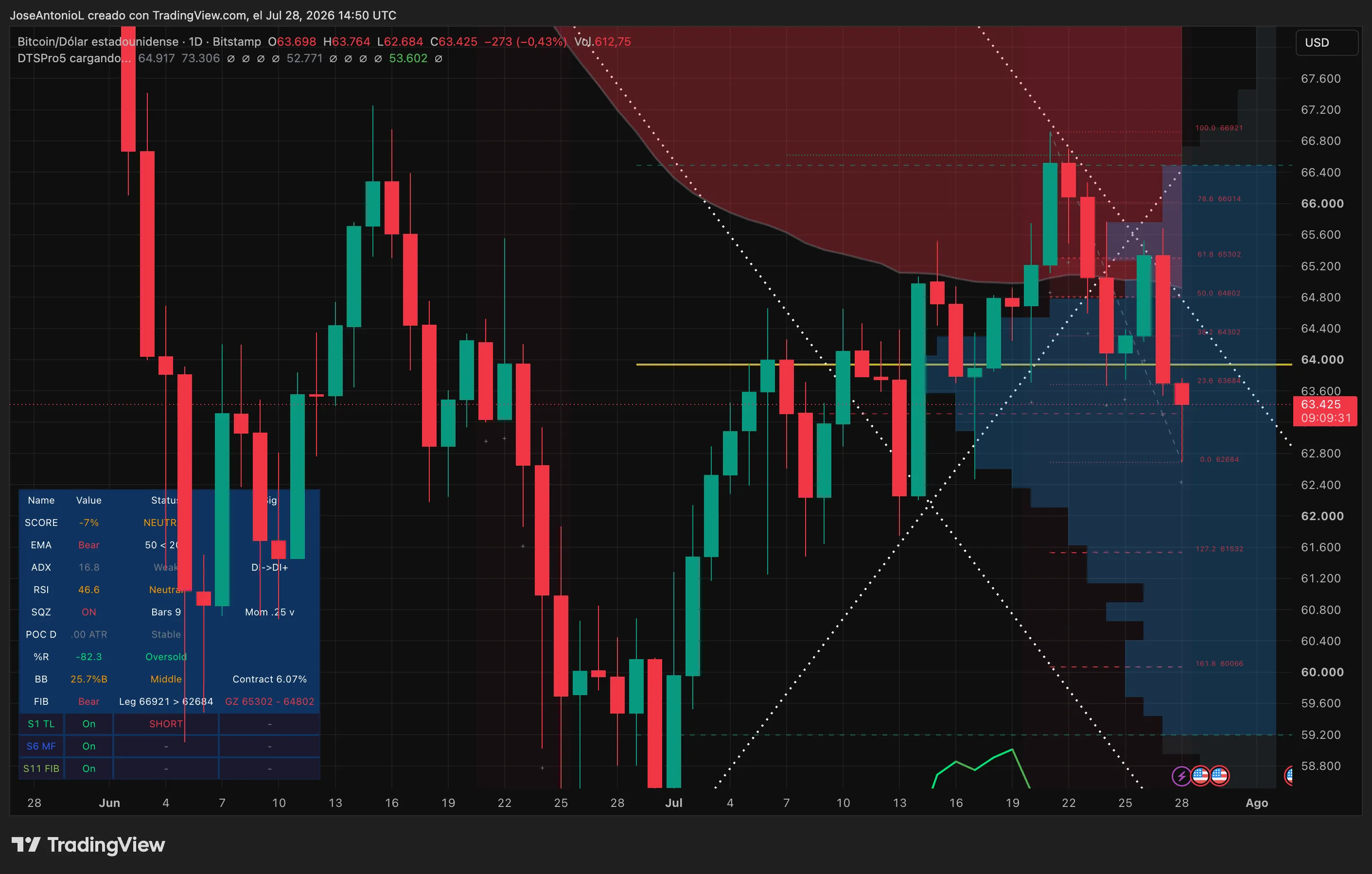


Foreign media reports that Jamie Coutts, chief crypto analyst at Real Vision, believes the recent Bitcoin pullback should not be primarily attributed to Michael Saylor's Strategy. According to him, the real factors suppressing prices are weak demand and continued tightening of global liquidity.
Insufficient buying interest became the more direct reason
In Michaël van de Poppe's podcast, Coutts stated that while Strategy is often in the spotlight due to its large holdings of Bitcoin and its continued buying through debt, this is not enough to explain the recent price reversal.
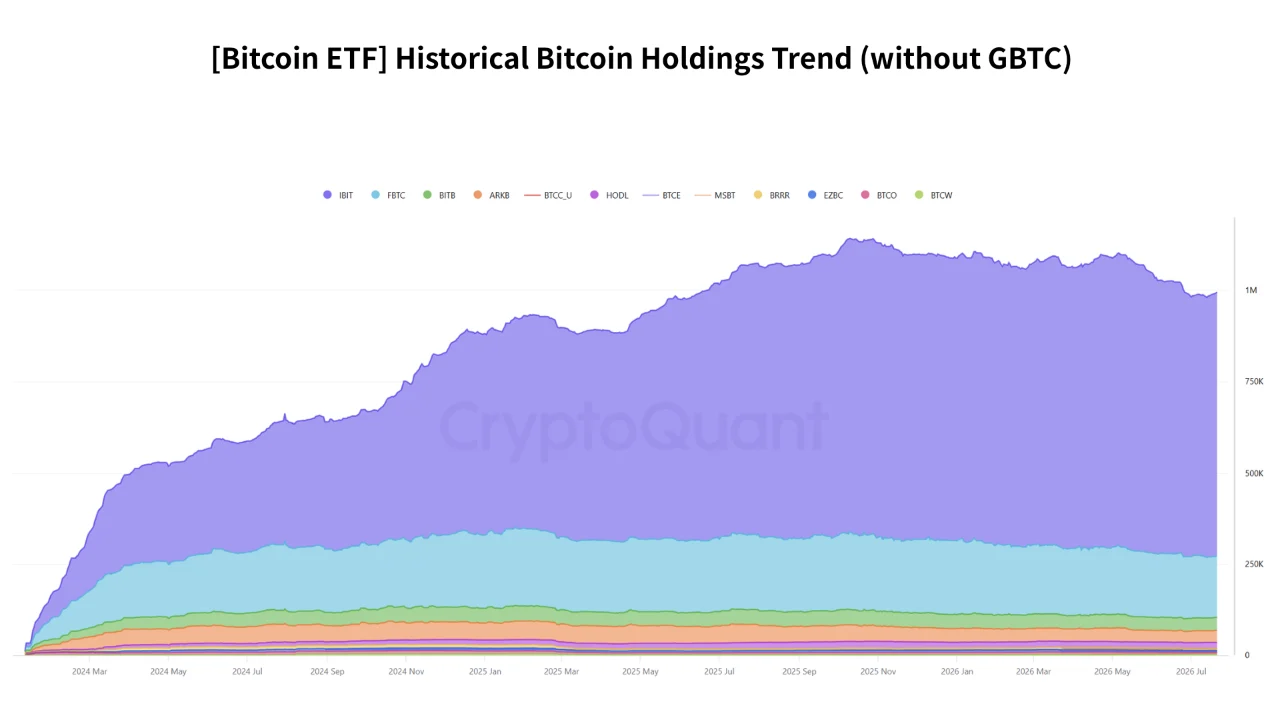
He believes the more direct problem is the lack of sufficient new buying interest in the market to support Bitcoin at higher levels. In other words, even if a single company continues to accumulate positions, if overall funding is insufficient, the price may still fall.
He also mentioned that selling activity by long-term holders peaked in the third quarter of last year. Such changes typically occur later in a market cycle, indicating that previous upward momentum has begun to weaken.
Tightening liquidity continues to weigh on risk assets.
Coutts believes that global liquidity remains the primary factor determining the price movements of Bitcoin and other risky assets. Rather than attributing price fluctuations to the actions of a single company, it's more important to focus on the broader funding environment.
In his view, the continued rise in US government debt is one of the most significant structural pressures currently facing the market. Debt expansion outpaces available liquidity, leading to tighter allocation of funds in the market and putting pressure on highly volatile assets.
He stated that new funds may eventually return to the financial markets this year or next, but the market environment could weaken further before liquidity improves.
Tokenization and AI agents are seen as new sources of demand.
When discussing potential drivers for the next wave, Coutts mentioned tokenized assets and AI agents. In his view, these two areas could bring new, different kinds of demand to the crypto market.
Among these, tokenized assets may bring more traditional financial activities onto the blockchain; while AI agents with autonomous execution capabilities may drive the growth in the use of digital payments, decentralized infrastructure, and on-chain services.
He believes that if the market experiences both limited asset supply and rising real demand in the future, the driving structure of the next cycle may differ from the past market conditions that mainly relied on speculative funds.
Additional information:The report mentioned that the discussion also touched on topics such as altcoins, privacy assets, the NEAR protocol, cross-chain compatibility, and Zcash, but the main focus of the article remained on the relationship between Bitcoin's decline and changes in liquidity.