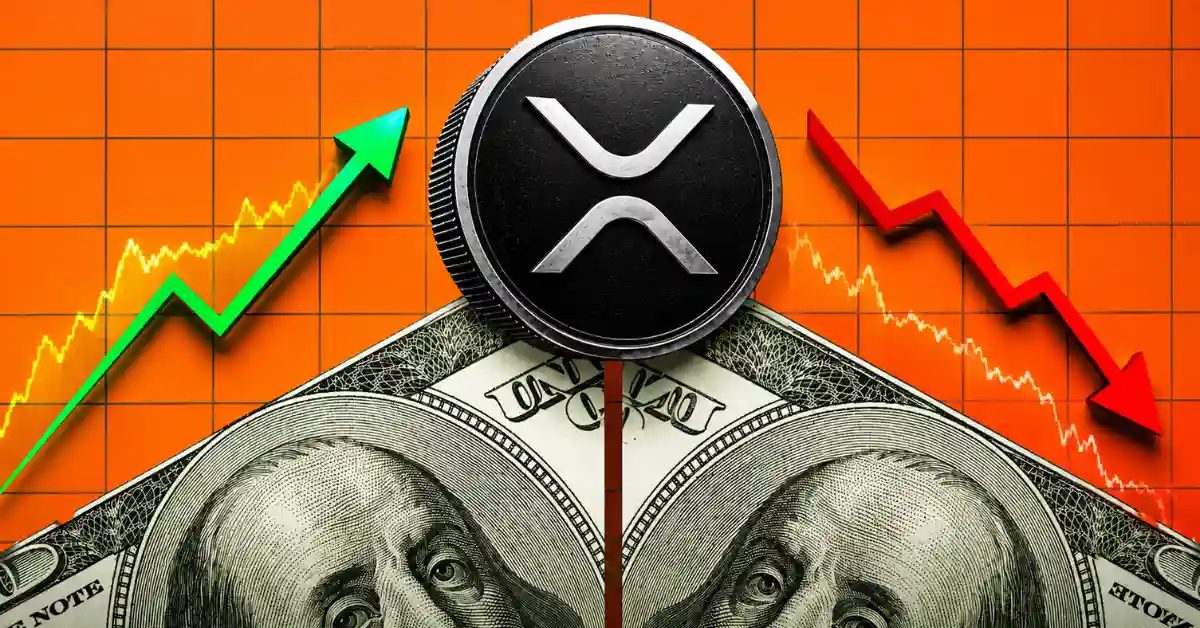


Foreign media: Harvard University economist Kenneth Rogoff recently stated that the frequent use of sanctions, tariffs, and other financial and trade tools by the United States is inversely weakening the dominant position of the US dollar. According to him, such practices can create pressure in the short term, but in the long run, they will encourage more countries to reduce their dependence on the US dollar system.
Sanctions and tariffs have become a reverse driving force.
Rogoff stated in an interview that the United States is using the dollar as a geopolitical tool. This approach will not stabilize the dollar's position; instead, it will encourage other countries to seek alternative channels. He believes that if Washington continues to exert pressure through financial restrictions and trade threats, the process of de-dollarization may accelerate further.
He linked this trend to the foreign policy of the Trump administration, arguing that for the White House, tariffs and sanctions are no longer just economic tools; they are also influencing the choices of the global financial system.
Europe is also expanding alternative networks.
Rogoff believes that it is not only China that is driving this change. Europe is also expanding its international financial system and attempting to reduce its reliance on the US dollar settlement network in some transactions.
According to him, if the United States further intensifies its financial pressure, the current trend could accelerate significantly, and more cross-border payments and settlement arrangements would shift away from the US dollar system. As a result, the distribution of international financial power might also become more dispersed, no longer highly concentrated in the United States.
"Dollar Peace" Under Pressure
This commentary argues that the more frequent use of tariffs and financial sanctions by the United States in recent years may be undermining what is known as the “Pax Dollar,” which refers to the international financial order dominated by the US dollar.
Rogoff mentions that if the United States were to fully utilize such tools to exert pressure on China, it could trigger countermeasures from China and accelerate the expansion of alternative payment networks. The core conclusion of the article is that the more overt the weaponization of the dollar becomes, the stronger the motivation for other economies to establish parallel financial channels.
From a market perspective, such discussions do not indicate that the US dollar will lose its dominant position in the short term, but rather that there may be a longer-term trend of decentralization in global settlement, reserve, and cross-border payment systems.