

After the renewed tensions between the United States and Iran, crude oil prices rose and global stock markets came under pressure, but Bitcoin remained around $78,000, with less volatility than in the energy, bond, and stock markets. Next, the market will continue to observe the new changes brought about by ETF capital flows and U.S. employment data.
Oil prices break above $90
It is reported that after the United States struck Iranian targets, concerns about disruptions in the supply through the Strait of Hormuz have intensified. Brent crude oil rose to $90.51 per barrel during the Asian trading session, and WTI crude oil also climbed to around $85.23 per barrel.
Bitcoin fell by about 0.4% within 24 hours, fluctuating between $77,162 and $79,343, with the latest trading price approaching $77,900. During the same period, Asian stock markets weakened, and the NASDAQ 100 index futures fell by about 0.5% to 0.7% in the early session.
Still leading in growth in August
Despite short-term fluctuations, Bitcoin still recorded a cumulative increase of about 23% in August, which is higher than gold's approximately 9% and NASDAQ's around 4% during the same period. Looking at monthly performance, Bitcoin remains the asset with the highest increase among the three types mentioned in the text.
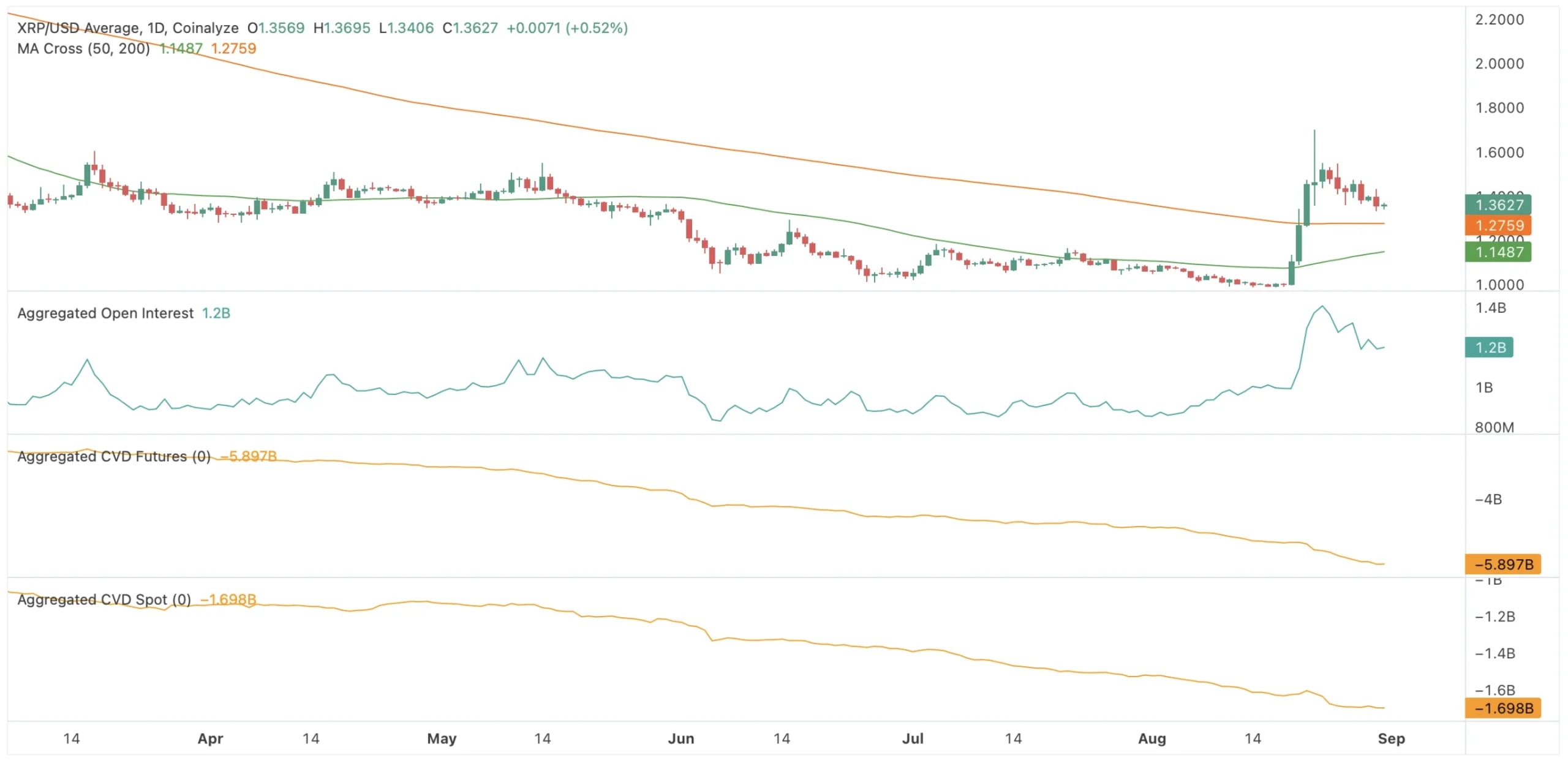
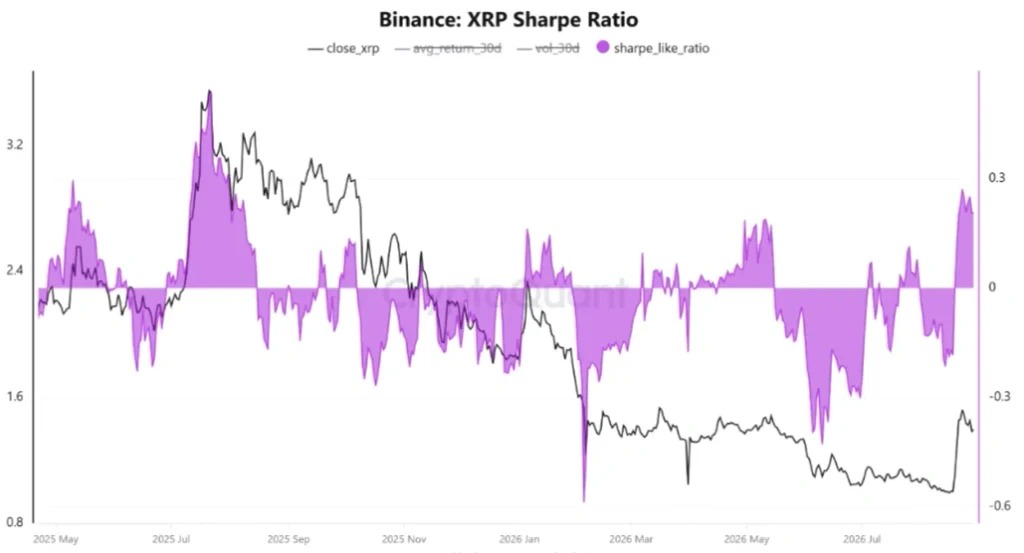
The broader crypto market appears somewhat weaker. XRP fell by about 0.8%, Solana fell by about 0.6%, and Ethereum traded around $1,625, indicating that some traders are reducing their positions in other mainstream tokens amid rising geopolitical risks.
ETF and Employment Data Draw Attention
U.S. spot Bitcoin ETF recorded net inflows for 8 consecutive trading days after the August lows, attracting a total of about $2.8 billion. However, this trend did not continue. On August 28, such products experienced a net outflow of about $201.9 million in a single day, indicating that institutional funds were not continuously flowing in unidirectionally.
At a macro level, the market is still digesting the relatively hawkish stance of Federal Reserve Chairman Kevin Warsh at the Jackson Hole Symposium. Interest rate futures indicate that the market's pricing for a rate hike in September has risen to around 57% to 60%, higher than the approximately 35% level before his speech.
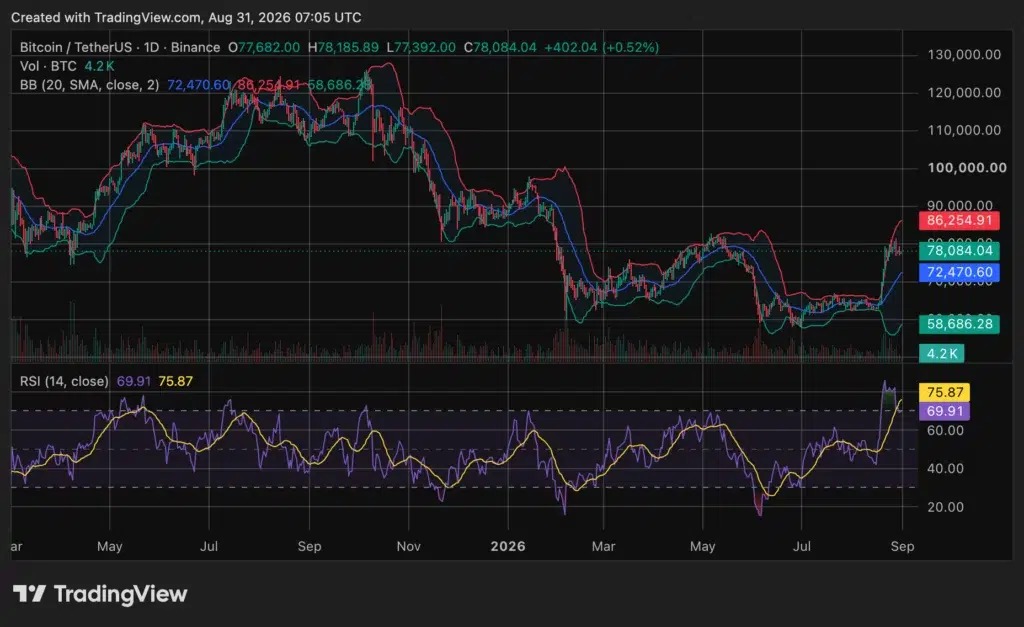
The next key piece of data is the U.S. employment report for August, which was released on September 4th. If the employment data is strong, it may continue to drive up expectations for tightening; if the data is weaker, it could ease bets on interest rate hikes. For Bitcoin, the short-term support level is roughly around $77,000, with resistance zones above that ranging from $79,400 to $80,800.