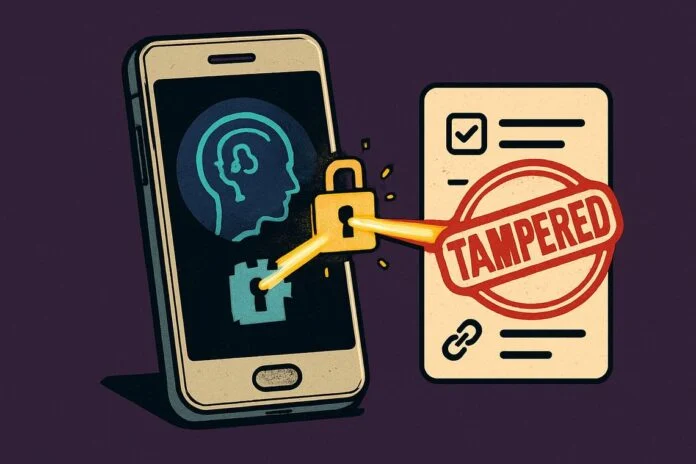


The Securities and Exchange Commission of Thailand has completed the final version of the regulations for encryption of Travel Rule. According to the new rules, digital asset institutions must verify the information of the sender and recipient before processing transfers, as well as confirm control over their self-hosted wallets. The rules will come into effect on February 27, 2027, giving the industry approximately six months to prepare their systems.
What information do organizations need to collect?
The new regulations require virtual asset service providers to collect and transmit information about both parties for each transfer, including names and account numbers for identification purposes. Relevant records must be kept for at least 5 years, and within the first 2 years, regulatory authorities have the right to access them immediately.
Self-hosted wallets become a focus
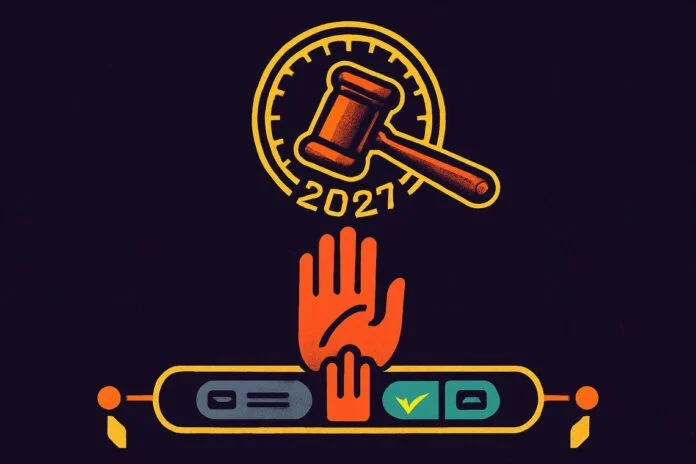
The rules impose higher requirements on self-hosted wallets. Institutions must confirm that the transferor actually owns or controls the relevant wallet. This is more complex than identity verification on centralized platforms, and it also means that compliance systems need to add wallet verification capabilities first.
Thai regulators continue to tighten measures
The Bank of Thailand is also separately evaluating stablecoin transactions, with a focus on USDT. At the same time, Thailand is this year also advancing regulations for retail access to overseas crypto derivatives, spot Bitcoin, and Ethereum ETF, indicating that local regulation continues to be refined.