

Intelligent ring manufacturer Oura officially submitted its listing application on September 3rd. As this company races to enter the capital market, the intelligent ring segment, which it has long dominated, is also heating up rapidly. The focus of competition is shifting from sleep and health monitoring to payment, vibration alerts, and device-side processing capabilities.
Oura revealed that within nine months up to June 30, the company's revenue rose to 1.21 billion US dollars, nearly double that of the same period last year. Over the past year, the company sold 3.6 million rings and had approximately 5 million paid members. Prior to this listing application, Oura had just launched Oura Ring 5, featuring a lighter and thinner design.
Multiple manufacturers are accelerating the launch of new products.
The number of competitors surrounding Oura is increasing, and their approaches to entering the market are diverse. French company Circular stated this week that its next-generation product will incorporate NFC payment functionality, allowing users to make contactless payments directly with their rings. Chinese company RingConn has added a vibration reminder feature to its new product launched this year.
Indian company Ultrahuman also announced this week that it has completed a $70 million financing round, with Qualcomm Ventures among the investors. The company stated that in the future, it hopes to run more software capabilities directly on the ring, and the applications can be extended to scenarios such as AI interaction and gaming.
Main competitors other than Oura
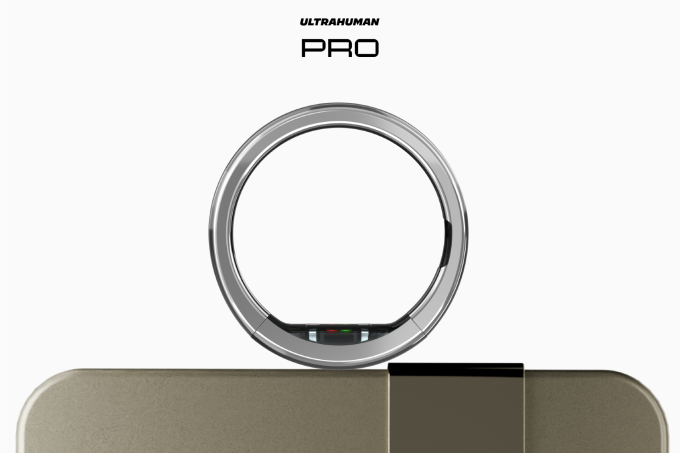
Ultrahuman released its third-generation product Ring Pro earlier this year, priced at $479, with plans to start shipping in the United States in mid-September. The company's U.S. operations were affected by a patent dispute in October 2025. At that time, the U.S. International Trade Commission supported Oura in a dispute with Oura, restricting new inventory from entering the U.S. market.
Ultrahuman Subsequently, the product's exterior design was adjusted to avoid relevant patent restrictions. The new Ring Pro features a redesigned heart rate sensing system and is equipped with a dual-core processor, focusing on improving signal quality and device-side data processing capabilities in sleep scenarios.
Circular plans to launch the Ring 3 series at the beginning of next year, which includes two versions: Pro and Slim. Both products will be equipped with NFC chips and fingertip vibration alerts, which can be used for silent alarms, reminders, and health alerts. The Pro version will also offer an electrocardiogram (ECG) function approved by FDA, for atrial fibrillation detection, and will support features such as blood pressure trends, blood sugar monitoring, and sleep analysis.
Samsung keeps up with new entrants
RingConn launched on May Gen 3, with a starting price of $349. This product focuses on vascular health monitoring and supports tracking of indicators such as heart rate, blood oxygen, sleep, activity, and stress. It also provides vibration alerts for health changes, reminders to stand up after prolonged sitting, and notifications when the battery is low.
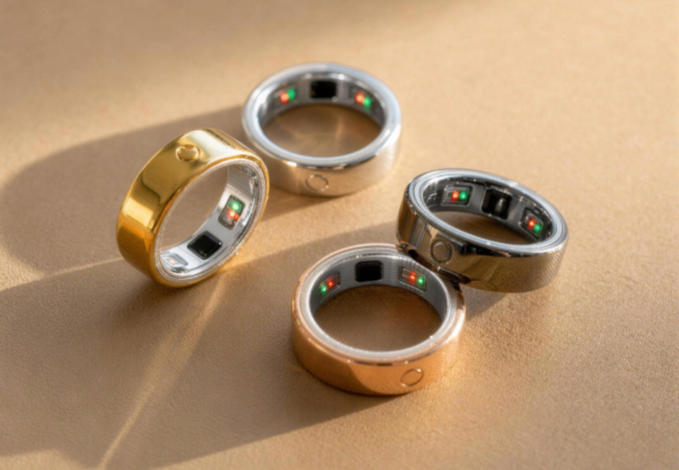
In 2024, Samsung launched Galaxy Ring, becoming the first major technology company to enter this market. The product is priced at $399 and is more suitable for users who already use the Samsung device ecosystem. However, in terms of more advanced health and sleep functions, Galaxy Ring is still relatively basic at present.
Another newcomer, Dreame, also showcased its own smart ring this year, featuring alarm, call, and message vibration alerts, as well as a small touch area that can be used to switch songs or remotely control phone photography. Its price and release date have not yet been announced.
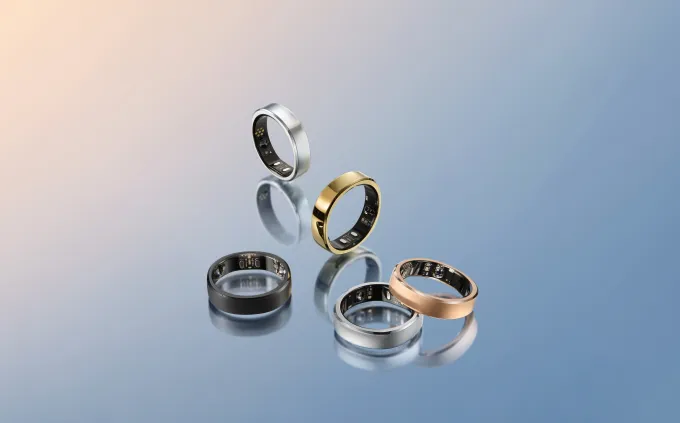
Overall, the smart ring market is shifting from being a single health tracking tool to becoming more of a comprehensive wearable device. For Oura, the listing application demonstrates its current scale; for the entire industry, the next stage of competition will focus more on functional expansion and ecosystem integration.