




Foreign media believes that crypto assets can enable round-the-clock trading, not just because exchange systems are more advanced, but because their underlying networks, settlement methods, and participating institutions are designed to operate continuously. In contrast, although the US stock market can also extend trading hours, the real challenge to achieving 24/7 trading is not in matching orders, but in the entire infrastructure that supports the trading.
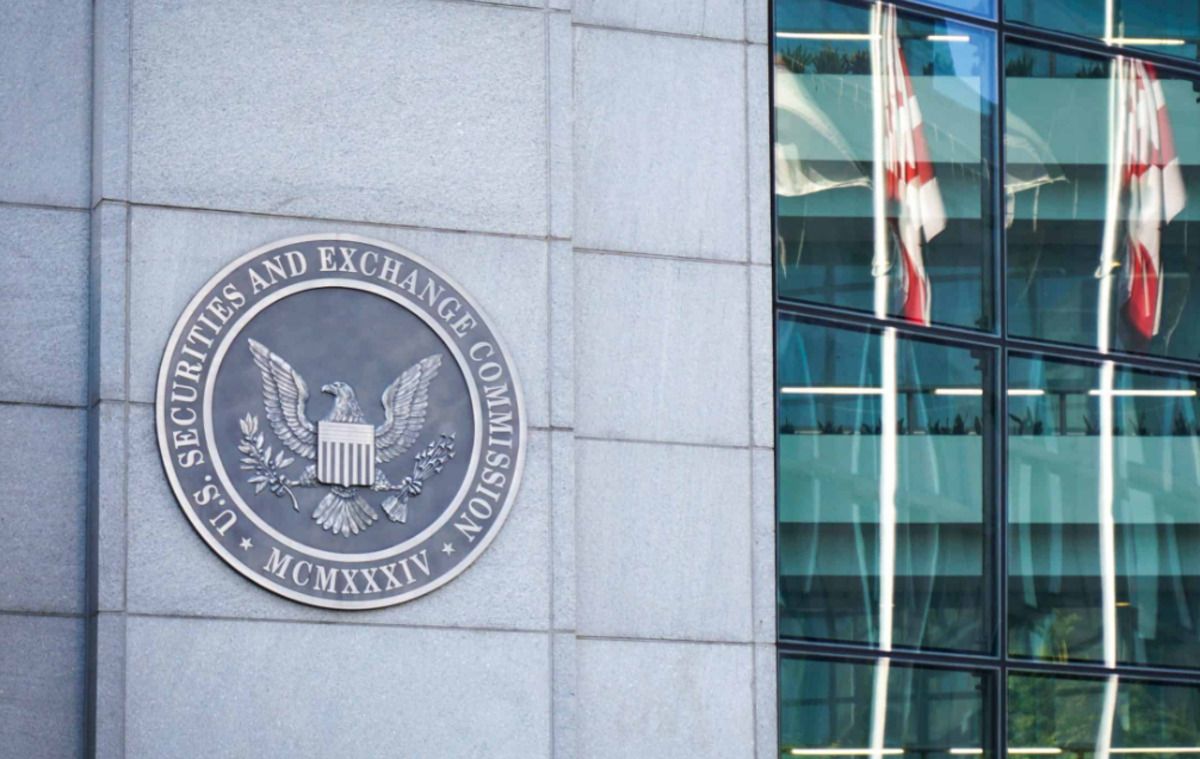
The U.S. Securities and Exchange Commission is recently discussing the preparations for 24-hour stock trading, with topics including overnight liquidity, settlement arrangements, and the mechanism for determining closing prices. This means that the U.S. stock market is moving towards longer trading hours, but there is still a significant distance to go before we reach true round-the-clock trading.
Why can the crypto market continue to operate?
Cryptocurrencies such as Bitcoin are not dependent on the workday schedule of New York. As long as the blockchain network continues to operate, transactions can continue to be confirmed, and trading platforms can match buyers and sellers throughout the day.
This is different from the way the U.S. stock market operates. U.S. stock trading still revolves around the main trading hours on weekdays, with regular trading times from 9:30 a.m. to 4:00 p.m. Eastern Time. Pre-market and post-market trading are merely supplementary.
Foreign media reports that the New York Stock Exchange is already experimenting with longer trading hours, planning to extend trading to 5 days a week and about 23 hours a day. However, this is still not quite the same as a true 24/7 operation, especially on weekends when banks, clearing systems, and institutional operating teams mostly continue to function according to weekday schedules.
The difficulty does not lie in the exchanges themselves.
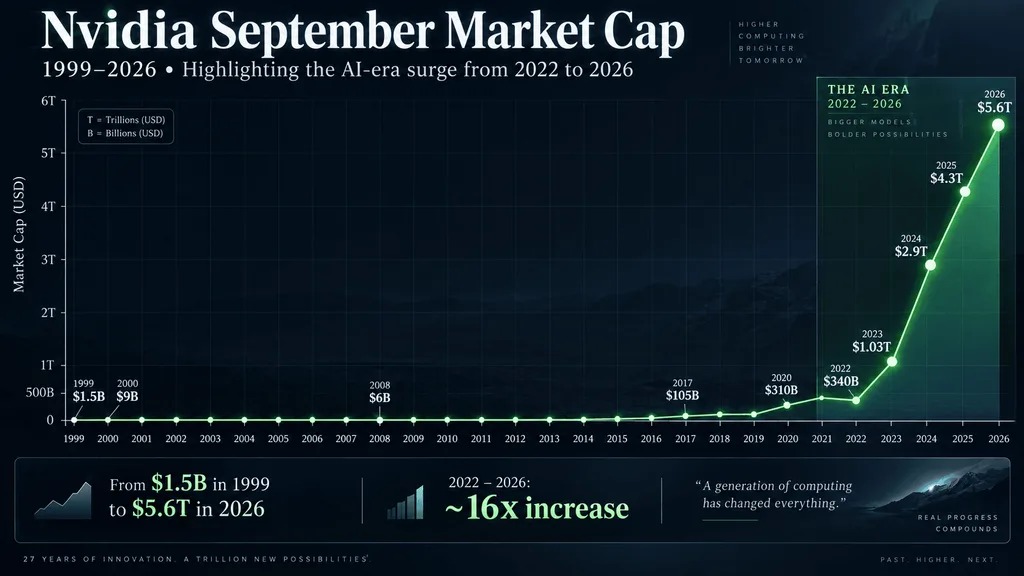
If an investor buys NVIDIA stocks at 2 a.m., the order matching itself is not complicated; what is truly challenging is whether the subsequent processes can operate in sync.
After the stock transaction is completed, it also involves brokers, market makers, clearing institutions, custodians, banks, and the company's behavior processing systems. If any of these links are not extended to the same time period, continuous trading will be difficult to fully implement.
Nasdaq has also previously mentioned that overnight trading is usually accompanied by higher costs and thinner liquidity. In other words, extending trading hours does not necessarily mean that market depth will increase accordingly.
In addition, the U.S. stock market currently operates on a T+1 settlement system, which means that cash and securities are typically settled on the following working day. If trading is to operate nearly around the clock, brokers, custodian institutions, and clearing systems will need to maintain consistency over a longer period of time, which poses higher requirements for the existing processes.
Why does the market still need closing prices?
Even if future stock trading hours are further extended, the market still needs an official reference price. The closing price at 4 p.m. Eastern Time is not only a sign that trading has ended, but it is also widely used in the calculation of fund net values, the compilation of index points, the performance statistics of investment portfolios, and the pricing of derivatives.
This is also one of the key topics of discussion for the US Securities and Exchange Commission (SEC). Regulators are concerned not only with whether exchanges can extend their operating hours but also with how the closing prices are determined and whether these prices can continue to serve as a market benchmark.
Corporate behavior is another practical issue. Dividends, stock splits, and mergers and acquisitions all require clear registration dates and holder records. Even if trading platforms remain open continuously, these operational points still need to be clearly defined.
Foreign media also mentioned that the tokenization of securities could potentially bring trading and settlement closer to synchronization in the future, thereby simplifying some processes. The New York Stock Exchange is also exploring a tokenized securities platform designed for continuous trading. However, at this stage, if U.S. stocks are to replicate the 24/7 model of the crypto market, it will still be necessary to reform the clearing, custody, banking, and pricing systems first.