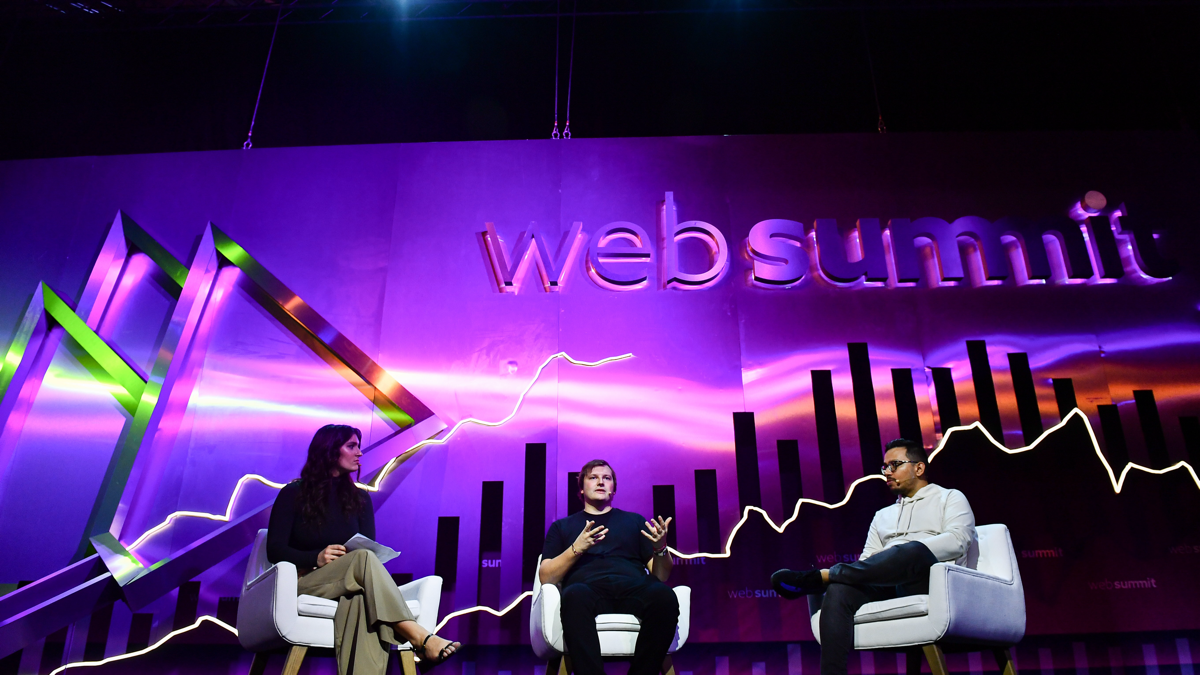





After the recent rapid increase in fees, discussions have intensified regarding why Arbitrum technology was adopted instead of direct deployment on Solana. On September 6th, Offchain Labs co-founder Steven Goldfeder and Solana co-founder Anatoly Yakovenko engaged in a public debate, with the focus on revenue attribution rather than the cost per transaction.
Robinhood can retain approximately 90% of net income
According to the current arrangement of Arbitrum Expansion Program adopted by Robinhood Chain, 10% of the net protocol revenue on the chain needs to be allocated to the Arbitrum ecosystem. Of this, 8 percentage points go into the Arbitrum DAO treasury, and 2 percentage points are used for developer-funded projects.
Goldfeder indicates that Robinhood can still retain approximately 90% of the net on-chain revenue. This does not refer to the total handling fees, but rather to the net income after deducting network expenses such as the costs of publishing data to Ethereum.
The article mentions that Robinhood Chain once had a one-day handling fee of 6.04 million US dollars. After deducting related costs and commissions, approximately 5.44 million US dollars were retained. The income over the past 7 days was about 20.33 million US dollars, but this level is based on short-term high activity and cannot be directly considered a stable performance for the entire year.
The core of the dispute lies in who takes away the value on the chain.
According to Yakovenko, even if Robinhood does not build its own Layer 2, it can still deploy the service on Solana and subsidize the users' transaction costs itself, before charging users through the application interface. This approach can avoid the costs associated with operating a separate layer-2 network.
The rebuttal from Goldfeder is that this model can only cover user behavior within Robinhood's own frontend and cannot generate transaction revenue from other entry points on the blockchain. If third-party wallets, trading bots, decentralized trading platforms, or coin issuance platforms interact directly with the contract, the related network fees will go to Solana validators and stakers, rather than Robinhood.
In Robinhood Chain mode, Robinhood operates the sorting infrastructure, so it can not only generate revenue from its own front-end but also charge fees for transactions on the chain that bypass its front-end. Recently, the memecoin platform and the trading platform GMGN have become important sources of traffic for this chain, with some transactions not coming from the Robinhood brokerage business interface.
September 29th marks the deadline for subsidies, which will serve as a test point.
Robinhood Previously, a 90-day Gas subsidy was provided for transactions initiated through Robinhood Wallet. This program will expire on September 29th. During the subsidy period, Robinhood Chain activity significantly increased, with the average daily DEX transaction volume reaching approximately 1.71 billion US dollars, and the total locked-up value of the native protocol was about 1.17 billion US dollars.
However, whether this growth is sustainable remains to be seen. A blockchain research institution, Bitquery, previously found that the price of Robinhood Chain's Gas increased by about 25 times in 11 days, with a significant portion of the new demand coming from a small number of highly active wallets. This suggests that there may be a problem of high concentration in current transaction fee revenues.
After the subsidy ends, the market will focus on observing two key points: first, whether Robinhood Wallet users will remain active after taking on Gas on their own; second, whether the trading volume generated by external applications such as Pons, GMGN, and Uniswap can be sustained. Robinhood has not yet indicated whether it will extend the subsidy, nor has it disclosed how this on-chain revenue will be reflected in the financial statements.
From a business model perspective, the core of this debate is not about which one – Solana or Arbitrum – has lower transaction fees, but whether having a Layer 2 can generate more revenue than deploying the application on the existing Layer 1. Robinhood Chain may provide a clearer answer during its first full operational phase after the subsidy ends.