





New progress has been made in the regulation of crypto assets in Japan, and market expectations for local ETF have accordingly risen. Reports indicate that the Japanese Parliament has incorporated crypto assets into the framework of the "Financial Products Trading Law" ( FIEA ), which means that the legal status of these assets is now closer to that of traditional financial products such as stocks.
Japanese crypto ETF expected to heat up
This adjustment is regarded as one of the important prerequisites for the launch of the cryptocurrency ETF. Japan currently has a large-scale ETF market, but there is yet to be a domestic cryptocurrency ETF.
According to a statement by Mazrael, a member of the SHIB community, the Japanese Financial Services Agency still needs to proceed with the formulation of specific regulations. Therefore, even if the first batch of products is launched, it is highly unlikely to happen before 2027. In his opinion, Bitcoin products are more likely to be launched first.
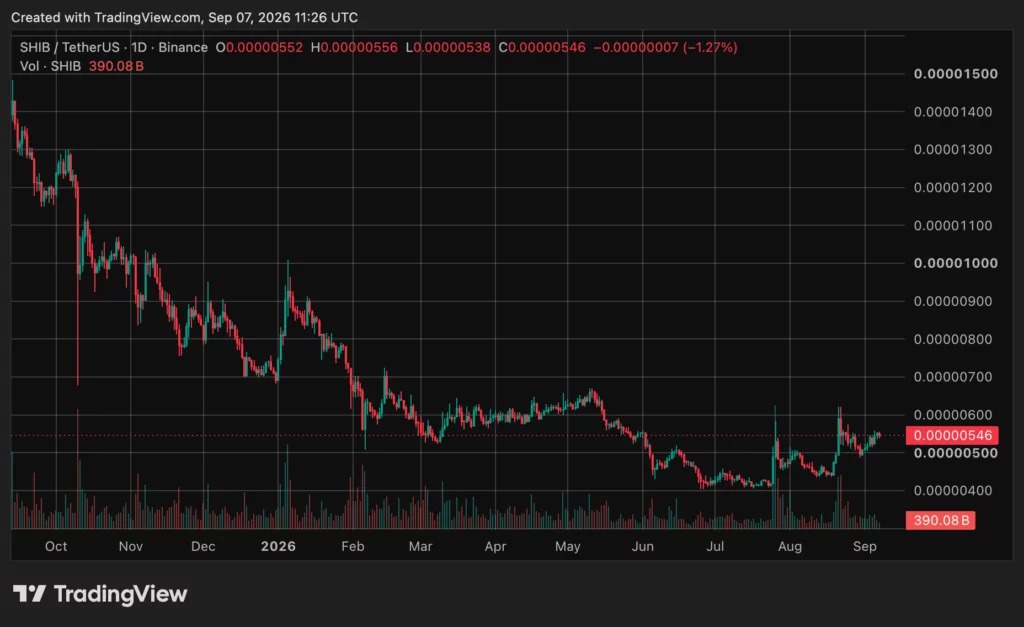
SHIB has been added to the Japanese compliance list.
In this context, SHIB is considered to have gained an earlier entry into the Japanese market. In November 2025, the Japan Virtual and Crypto Asset Exchange Association (JVCEA) included SHIB in its regulatory 'green list', alongside BTC and ETH.
The report also mentioned that a major Japanese e-commerce platform, Mercari, launched SHIB in June 2026. This platform has approximately 23 million users, which gives SHIB a more direct channel to reach the Japanese retail market.
The community claims that SHIB has a first-mover advantage.
Mazrael believes that whether a token can first meet the compliance requirements is still a key threshold before entering the subsequent discussions of ETF. He stated that compared to most crypto assets, SHIB has made faster progress in terms of being covered by licensed trading platforms in Japan, being on regulatory lists, and receiving support from retail platforms.
According to reports, although SHIB currently does not have an independent spot ETF in the United States, it already has exchange-traded products in Europe, has gained support from regulated channels in Japan, and has added futures-related exposures in Canada. These developments are seen by some members of the community as signals that its productization path is continuing to advance.