





After Bitcoin rebounded to around $78,000, the market has entered a period of intensive events this week. Investors are awaiting interest rate decisions from the Federal Reserve, the Bank of England, and the Bank of Japan, while also paying attention to the procedural voting in the U.S. Senate regarding legislation for the crypto market.
Bitcoin remains at $78,000 for now
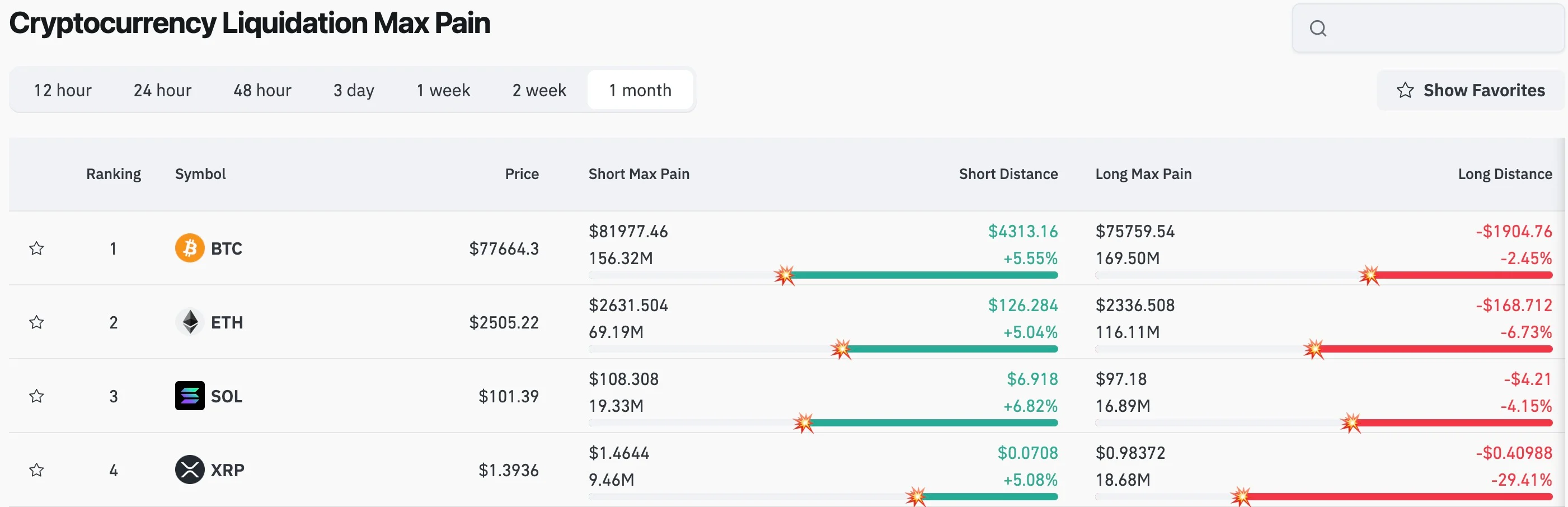
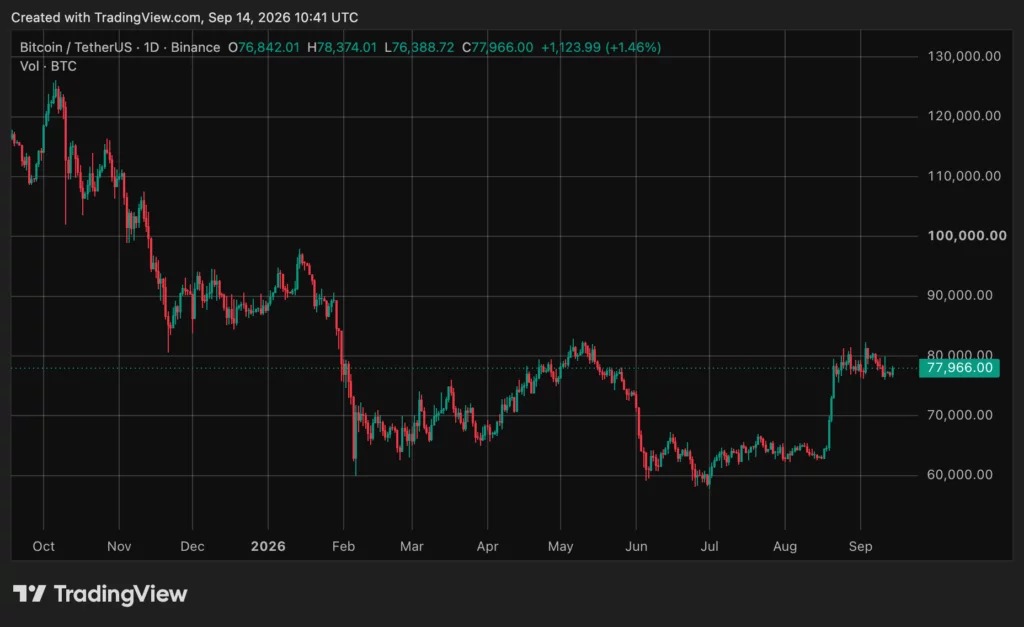
As of September 14, Bitcoin was trading at around $78,100, up 1.7% in 24 hours. During the session, it rebounded from a low of $76,400 to above $78,200, but still failed to break through the $80,000 mark that has been resisted several times recently.
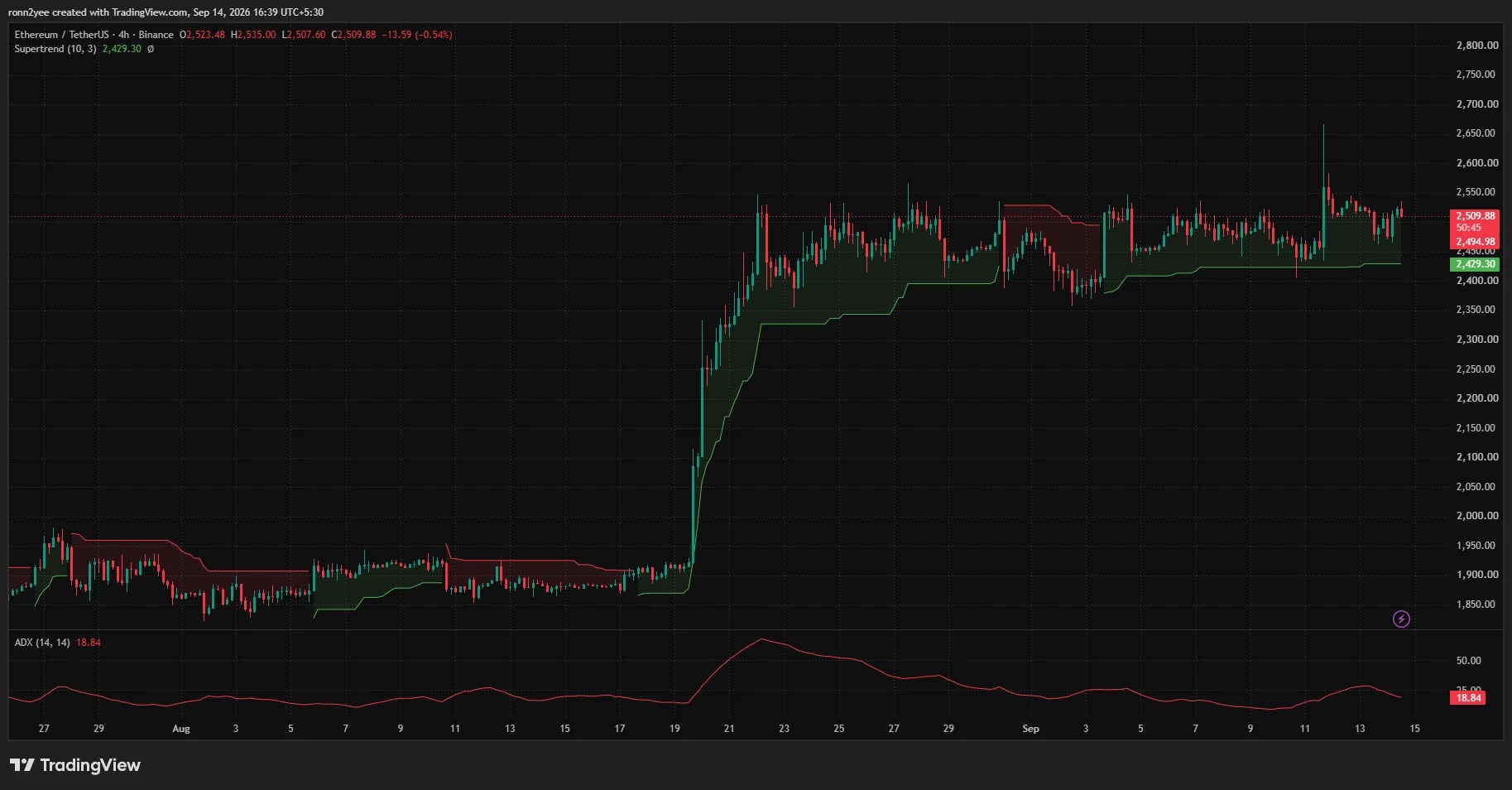
Ethereum also rose to $2,523.75 during the same period, with a gain of 1.6%. XRP increased by 4.5% to $1.40, while Filecoin had the largest gain, rising 23% in a single day and once again surpassed $1.
The market is currently more concerned about the short-term impact of macroeconomic events on risky assets. The Federal Open Market Committee (FOMC) of the United States will hold a meeting from September 15th to 16th and will release interest rate statements, economic forecasts, and the content of a press conference with Chairman Kevin Warsh on Wednesday.
The Federal Reserve will release the latest dot plot.
Market pricing indicates that the probability of the Federal Reserve raising interest rates by 25 basis points this week has risen to around 87%. If a rate hike does occur, the target range for the federal funds rate will be raised from 3.50% to 3.75% to 3.75% to 4.00%.
Goldman Sachs and JPMorgan Chase have adjusted their forecasts to expect a 25-basis-point interest rate hike this week. JPMorgan Chase also expects another rate hike in December, while Goldman Sachs predicts two rate cuts in 2027. However, these are just institutional judgments and do not represent a consensus decision by the Federal Reserve.
This meeting will also simultaneously release the latest economic forecast summaries, which are commonly referred to in the market as "dot plots." The documents will update officials' assessments of economic growth, unemployment rates, inflation, and interest rate trajectories. The press conference chaired by the chairman may further reveal views on inflation, employment, and the trends in subsequent borrowing costs.
The Bank of England and the Bank of Japan take turns on stage
The Bank of England will announce its interest rate decision on September 17th. Currently, the UK's benchmark interest rate is 3.75%, and inflation is at 2.9%, which is still above the target of 2%. A Reuters survey shows that most economists expect the Bank of England to remain inactive this week.
The Bank of Japan will hold a meeting from September 17th to 18th and announce the results on Friday. Currently, Japan's overnight interbank lending rate target is around 1%. The Financial Times quotes analysts' expectations that the Bank of Japan may raise interest rates by another 25 basis points to 1.25%. If this comes true, it would be the highest policy rate for Japan in 31 years.
For the crypto market, the decisions of these three central banks not only affect expectations regarding the liquidity of the US dollar but also impact global risk appetite. Whether Bitcoin will be able to retest the range of $80,000 to $83,000 still depends on the policy outcomes, the wording used, and whether the market has already anticipated these developments in advance.
The U.S. Senate will vote to review the encryption bill
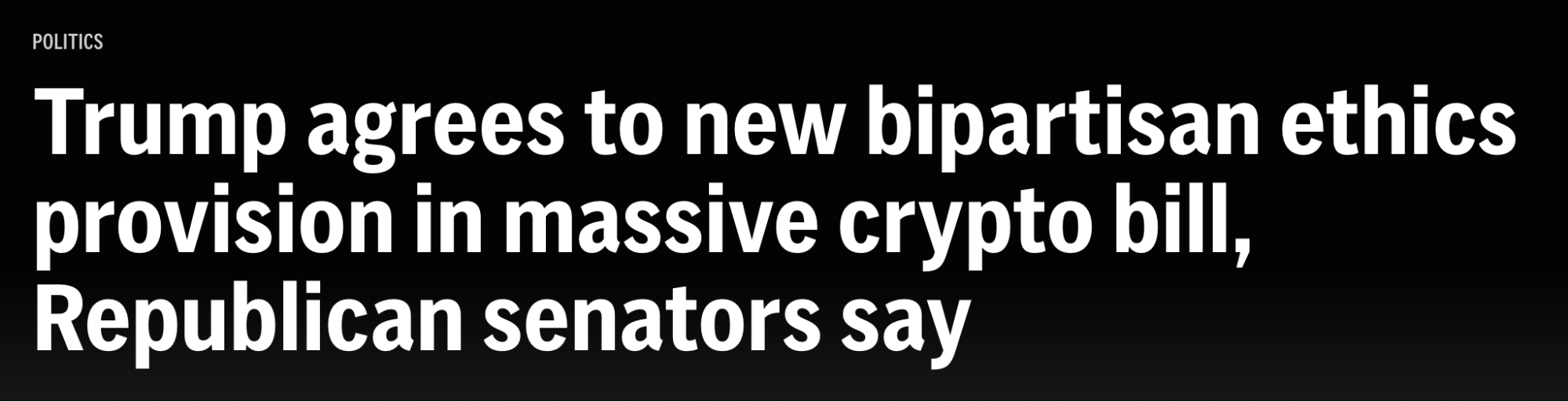
Before the Federal Reserve announces its decision, the U.S. Senate is expected to conduct a procedural vote on the Digital Assets Market Clarification Act on the afternoon of September 15th. A vote of 60 votes is required to advance the bill to the formal deliberation stage.
Senators Cynthia Lummis, Tim Scott, and John Boozman announced the final text on September 14th. If the procedural vote is passed, the Senate will begin formal discussions on the bill, but this does not equate to its final approval; further debates, amendments, and more procedural votes may still occur thereafter.
This 635-page proposal adjusts government ethics regulations and covers topics such as stablecoin incentives, DeFi rules, and commodity regulation. If the Senate makes any modifications to the text, the bill still needs further processing by the House of Representatives before it may be sent to U.S. President Trump for his signature.