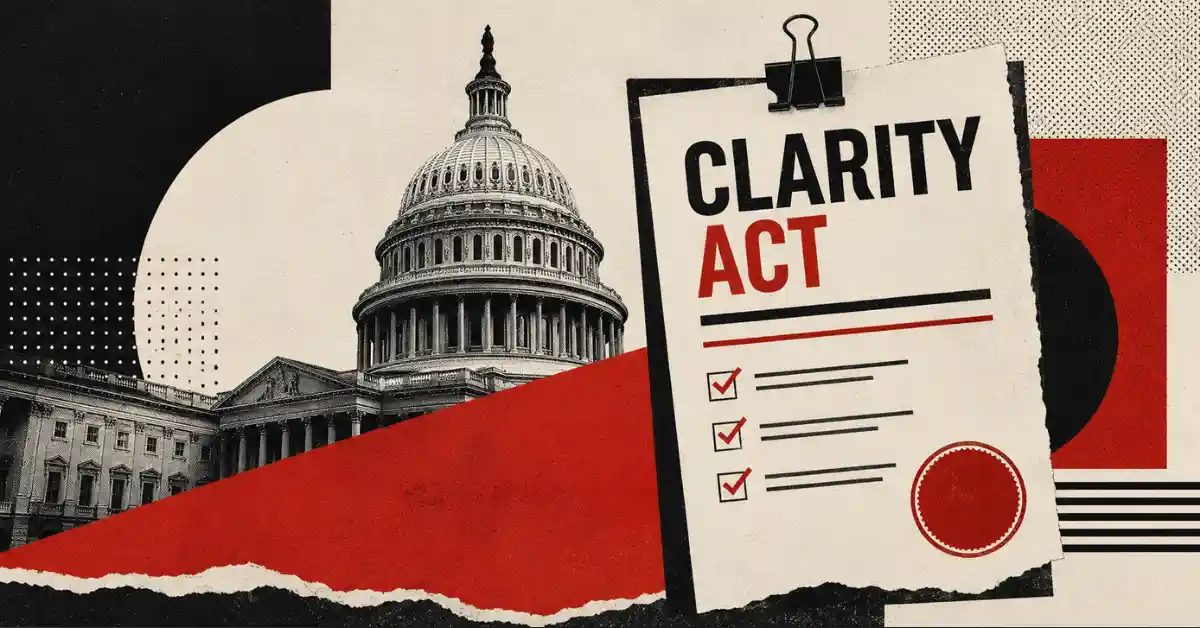


The US Senate remains deadlocked over the "Clarity of the Digital Asset Markets Act." The White House recently stated that Democrats have secured Trump's acceptance of restrictions on personal crypto businesses, and this outcome should not be overturned; however, Democrats believe that the existing provisions are insufficiently enforceable and have too short a validity period.
The controversy centers on ethical clauses
The final draft bill, leaked this week, revealed its ethics provisions for the first time. According to the draft, senior officials, including the president, vice president, members of Congress, and federal judges, will be temporarily prohibited from issuing or sponsoring cryptocurrencies.
This is seen as the first time a sitting US president has been specifically restricted in his crypto business dealings. White House crypto advisor Patrick Witt told CoinDesk that Trump has agreed to be bound by his own conduct, which is unprecedented among previous presidents.
However, Democrats do not believe the arrangement is sufficient. Senator Elizabeth Warren stated that the provisions do not prevent Trump from continuing to profit from the crypto business, and the existing text is insufficient to ensure enforcement.
Democrats questioned the effectiveness of the implementation.
The current draft law primarily delegates enforcement power to the U.S. Department of Justice. According to the text, the Department of Justice cannot initiate criminal prosecutions, and the maximum fine for violators is $500,000.
Democrats worry that this means the constraints will ultimately remain in the hands of the Trump administration. Since state attorneys general are not granted enforcement power, Democrats argue that the provisions could become ineffective if the White House is unwilling to push for enforcement.
Furthermore, the restrictions only apply until early 2029. The draft also stipulates that the next Department of Justice cannot retroactively address actions taken before the start of its term. This further exacerbates Democrats' concerns about the failure to enforce the restrictions.
Trump's existing businesses may not be substantially affected.
In terms of the scope of the provisions, the restrictions mainly target the "issuance" or "sponsorship" of crypto assets, but do not automatically cover all crypto business interests. The report points out that Trump's shareholding relationships with projects such as World Liberty Financial may not necessarily be directly severed as a result.
In this scenario, Trump is more likely to use legal arrangements such as trusts to maintain a formal distance from some investments rather than completely withdrawing from the relevant businesses.
- The ban applies to the president, vice president, members of Congress, and federal judges.
- The enforcement body is the U.S. Department of Justice.
- The maximum fine is $500,000.
The window for the bill's passage is narrowing.
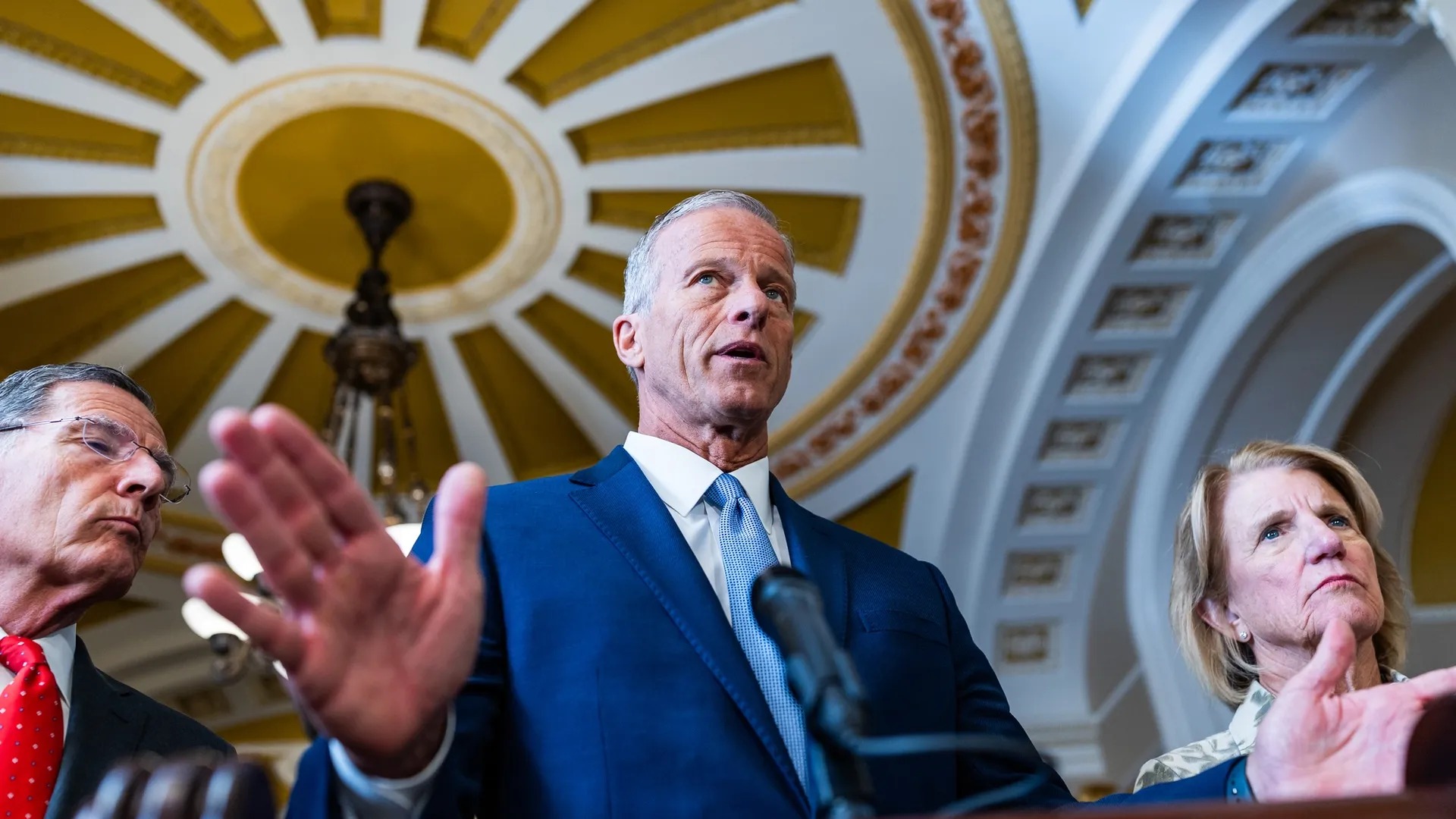
The debate surrounding the conflict of interest clause has slowed the bill down for months. Senate Majority Leader John Thune stated that the likelihood of the bill being voted on before the long summer recess is low. If this window is missed, the probability of it progressing into 2026 could significantly decrease.
The White House is still trying to push the bill forward by early August. Three major U.S. crypto industry organizations have also written to Senate leadership, urging them to schedule a full Senate hearing as soon as possible.

However, as things stand, the ethical provisions remain one of the most difficult aspects to reach an agreement on. The bill needs 60 votes to pass the Senate, a threshold that is currently unclear.