

El Salvador continues to increase its Bitcoin holdings daily. Official data shows that as of July 27, the country held approximately 7,725.37 BTC, continuing to increase from a month earlier. With the presidential election approaching in February 2027, this policy, long championed by Bukele, is entering more direct political discussion.
The opposition has included it in its campaign agenda.
El Salvador's two major opposition parties have confirmed their presidential candidates. The Nationalist Republican Union (ARENA) has nominated former MP Maytee Iraheta, while the Farabundo Martí National Liberation Front (FMLN) has nominated doctor and union leader Rafael Aguirre.
Both candidates have publicly criticized the current approach to Bitcoin, arguing that the policy has failed to deliver the expected economic benefits and instead constitutes a fiscal burden. As the election heats up, Bitcoin policy has become more than just an economic experiment for the government; it has also become part of the election battle.
The IMF's post-loan policy has been adjusted.
El Salvador gained attention for being the first country to recognize Bitcoin as legal tender, but the policy has since changed. In February 2025, following a $1.4 billion loan agreement with the International Monetary Fund, the government removed the requirement for merchants to accept Bitcoin payments, and the US dollar once again became the sole mandatory currency in daily transactions.
However, the National Bitcoin Office has not stopped buying. Reports indicate that the government is still maintaining a pace of roughly one BTC per day. In addition to Bitcoin, El Salvador also increased its gold reserves in January of this year.
The market is starting to focus on policy continuity.
The IMF has repeatedly cited fiscal and governance risks, stating that the strategy has not significantly improved financial accessibility for the unbanked population. Meanwhile, relations between the two sides have recently eased. The IMF's First Deputy Managing Director has publicly affirmed El Salvador's economic performance and stated that the review of related projects is progressing steadily.
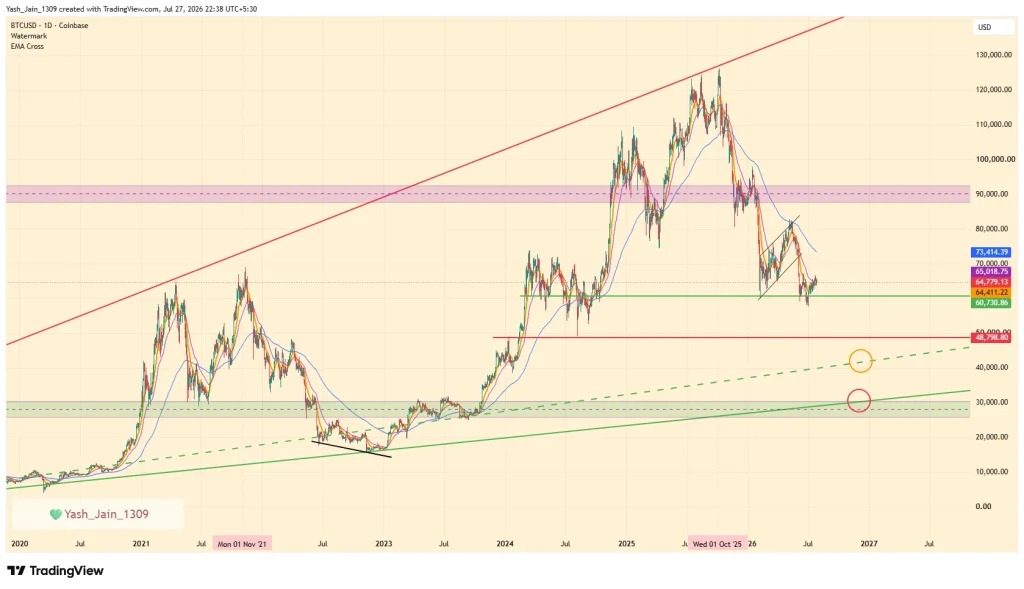
For the crypto market, El Salvador's case is not just about state ownership, but also about symbolic policy implications. If the current path continues, the market will generally see it as a positive sign; however, if the opposition wins in 2027, expectations surrounding state ownership of cryptocurrencies and Bitcoin policy may change.