

AI company Recursive Superintelligence announced a multi-year computing power agreement with Amazon Web Services (AWS) worth $410 million. This new agreement comes after the company disclosed a $650 million funding round in May when it ceased operations, indicating that it has already allocated a significant portion of its raised funds to computing resources.
Recursive's research and development focuses on "self-improving systems," enabling AI to continuously optimize its capabilities with less human intervention. This approach typically requires higher computing power. The company stated that the purpose of this agreement is to maintain sufficient flexibility when scaling up the system in the future.
Most funds are shifting to computing power
In an interview with foreign media, Recursive's management stated that their budget allocation differs from that of traditional AI startups. Rather than prioritizing team expansion and daily operations, the company prefers to invest directly in computing resources to automate the product development process.
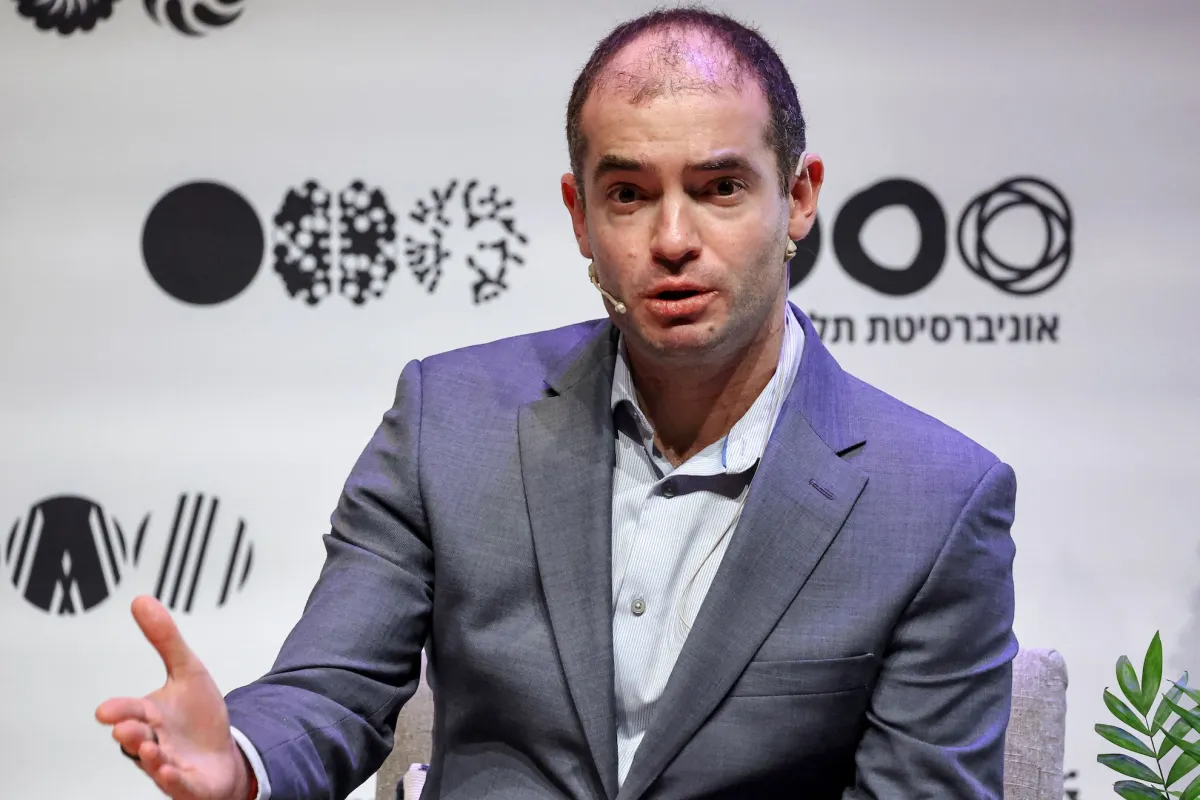
Recursive CEO Richard Socher stated that this agreement is likely just one of many similar collaborations in the coming years. He anticipates that the company will sign more computing power contracts as the system continues to expand.
- The total amount of the agreement is US$410 million.
- The company has disclosed that it has raised $650 million.
- The first batch of products is expected to be launched around October this year.
AWS does not participate in equity investment.
Unlike the "investment plus cloud resources" collaborations common in some large AI labs, Amazon did not include an investment arrangement in this case. Reports indicate that this is a pure computing power and infrastructure collaboration.
AWS stated that due to the large scale of the agreement, it can provide more customized support for Recursive. The two parties also plan to jointly develop infrastructure better suited to this type of AI company to meet the needs of high-intensity training and iteration.
The company claims it will launch its first batch of products within a few months.
"Recursive self-improvement" has long been regarded by some researchers as an important direction for AI development, meaning that a system can improve its own capabilities without continuous human intervention. However, there is no complete consensus within the industry on the definition and implementation standards of this concept, and there are also disagreements outside the industry on the timing of breakthroughs.
Recursive is currently prioritizing productization over remaining at the conceptual stage. Socher stated that the company hopes to translate this approach into products that users can directly use, and expects to deliver tangible results as early as the next few months.
According to him, the first batch of "accessible and usable" products are expected to be unveiled around October this year, rather than after a longer research and development cycle.