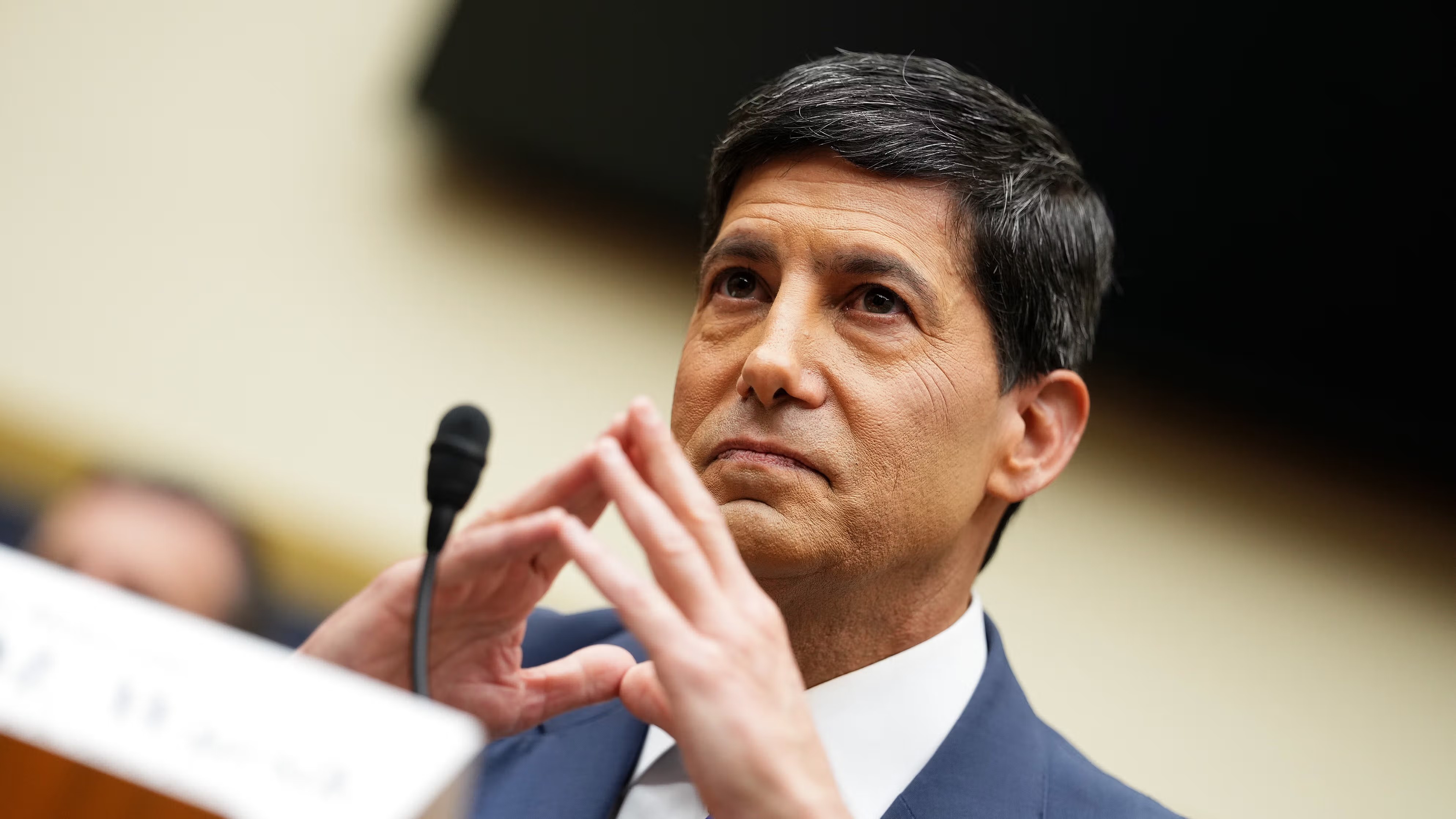


Foreign media reports that as the US market discusses the introduction of regulated perpetual contracts, DRW CEO Don Wilson publicly refuted common misconceptions about such products. He believes that many of the labels attached to crypto perpetual contracts actually come from the specific design of exchanges, rather than the contracts themselves.
Wilson stated that high leverage does not equate to perpetual contracts.
Wilson stated in an article on the X platform that perpetual contracts are essentially just futures contracts without an expiration date. High leverage, automatic liquidation (ADL), and 24-hour trading are implementation methods used by some crypto exchanges and should not be considered defining characteristics of perpetual contracts.
He specifically mentioned that he does not support the ADL mechanism, stating that such an arrangement is not a necessary component of perpetual contracts. According to him, equating these mechanisms directly with perpetual contracts would derail regulatory discussions.
The core innovation lies in eliminating repeated extensions.
Wilson believes that the true value of perpetual contracts lies in the fact that investors do not need to repeatedly roll over near-expiration contracts to more distant contracts, as is the case with traditional futures. This reduces transaction costs and mitigates price slippage and market shocks caused by rollovers.
In his view, this structure also allows positions to be closer to the front end of the futures curve, making it more suitable for price discovery and risk management. For this reason, he argues that perpetual contracts should not be seen as a special product unique to the crypto market.
Real-time settlement is considered a direction for risk control improvement.
Wilson also focused the discussion on clearing and margin mechanisms. He stated that traditional clearinghouses typically calculate margins daily, and participants often don't need to replenish their collateral until the next business day. If the market fluctuates significantly during this period, clearinghouses need to set aside a higher initial margin buffer.
In contrast, digital payment tracks and real-time settlement mechanisms allow exchanges to continuously recalculate margins and require traders to replenish collateral promptly. According to him, this helps reduce upfront margin requirements while maintaining the same level of protection.
Wilson argues that whether trading platforms translate these efficiencies into higher leverage is a business choice, not an inherent property of perpetual contracts.
Regulation should define products according to their economic substance.
Wilson concluded by urging regulators not to treat perpetual contracts solely based on legal labels. He argued that perpetual contracts should not be classified as swaps simply because they lack an expiration date; in economic terms, these products are closer to futures.
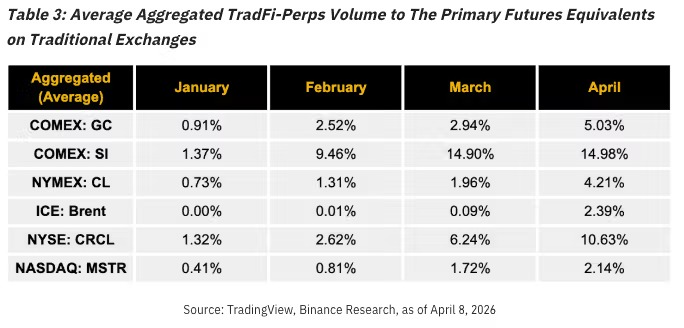
This statement comes as interest in regulated perpetual contracts is growing in the US market. Several exchanges and market participants are exploring expanding these products beyond crypto assets. CoinDesk noted that Kalshi experienced rapid growth in trading volume after launching its products and has recently submitted a proposal to regulators to expand its offerings to the precious metals market.