

Amazon is expanding its satellite business from broadband networks to direct mobile connectivity. According to its application to the U.S. Federal Communications Commission, the company is seeking approval to operate a new network of 5,105 satellites and plans to begin offering satellite communication services to mobile phones starting in 2028.
This application comes months after Amazon acquired Globalstar's satellite operations business. Globalstar currently provides connectivity services for Apple's iPhone emergency communication features and some IoT devices. The latest filing shows that Amazon plans to leverage the wireless spectrum held by Globalstar to expand these services and integrate them with its Leo satellite broadband network.
5105 satellites are aimed at the mobile phone connection.
Based on the disclosed information, this network is not a standalone entity, but rather an extension of Amazon's existing low-Earth orbit satellite network. The company aims to combine its mobile direct connectivity capabilities with broadband services to create a more complete satellite communications product line.
This also means that Amazon will be able to more directly enter the two markets where SpaceX already has an advantage: satellite internet and satellite direct cell phone service.
SpaceX has already made preparations.
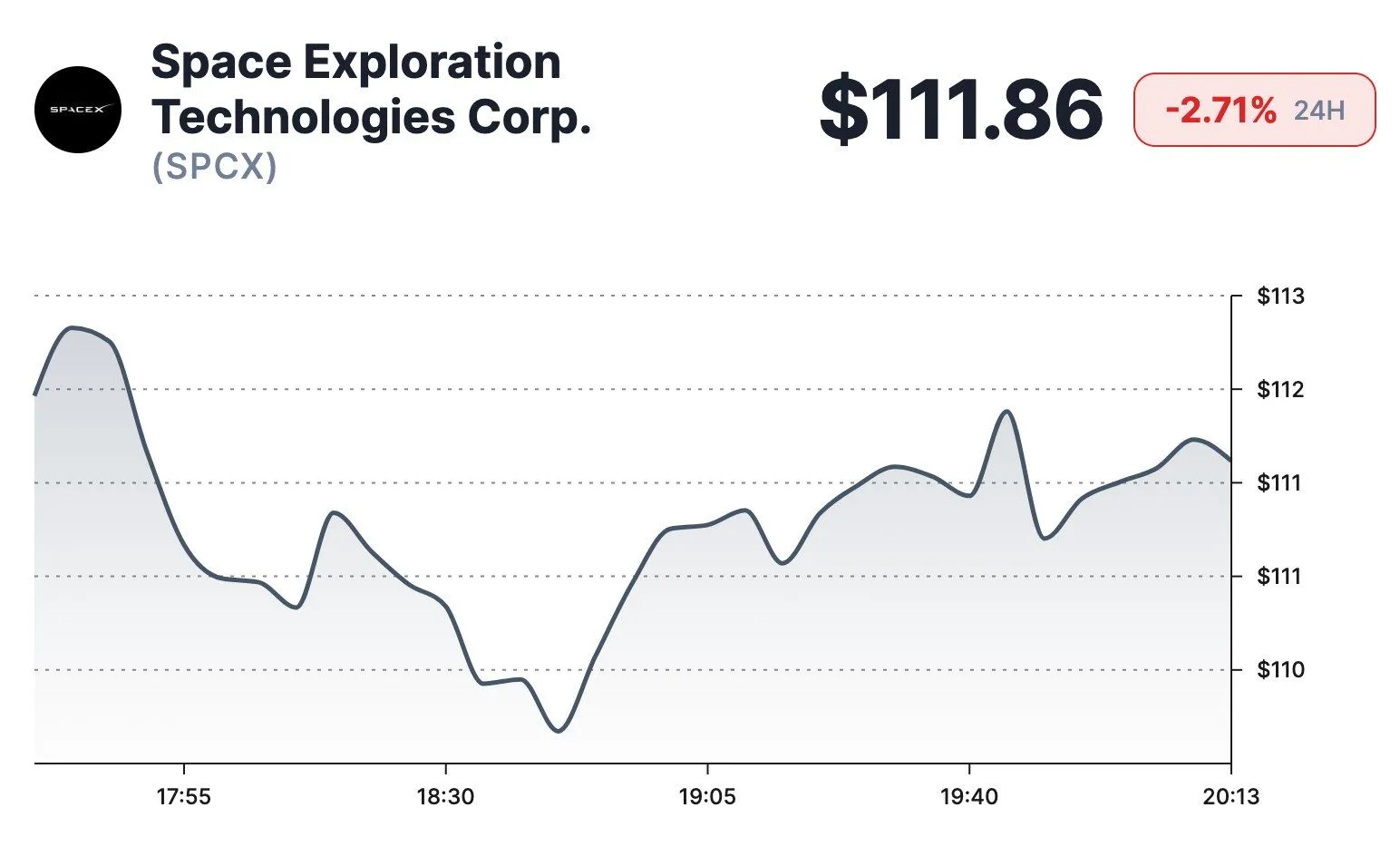
Currently, SpaceX maintains a clear lead in the relevant market. The report mentions that SpaceX plans to spend $20 billion to purchase spectrum resources from EchoStar for building its mobile communication satellite constellation. This is also a significant part of its growth plan.
However, the commercial value of satellite-to-mobile phone connectivity remains to be seen. Currently, most services have limited bandwidth, making them more suitable for SMS or emergency scenarios, and are still some distance from large-scale replacement of terrestrial mobile networks.
T-Mobile CEO Srini Gopalan stated this spring that user demand for this type of service is not strong. He cited data showing that satellite communication usage in May accounted for only 0.0002% of its total network traffic, primarily concentrated in areas with insufficient terrestrial network coverage, such as national parks.
Amazon also faces launch challenges
Unlike SpaceX, Amazon does not have its own readily available rocket launch system. The company originally planned to rely on Bezos' Blue Origin to launch satellites, but the New Glenn rocket was grounded after an incident in May, and related launch facilities were also affected.
As a result, Amazon had previously requested an extension of the network deployment deadline set by the U.S. Federal Communications Commission. This means that even if the company proceeds with its application for a mobile satellite network now, the subsequent launch schedule remains a key variable in its actual implementation.
Despite lagging behind SpaceX, Amazon's financial strength remains its biggest asset. The report mentions that as of the end of April, Amazon had $255 billion in liquid assets, enabling it to continue investing in its satellite network; in contrast, SpaceX appears to have a more pressing need for external capital and spectrum investment.