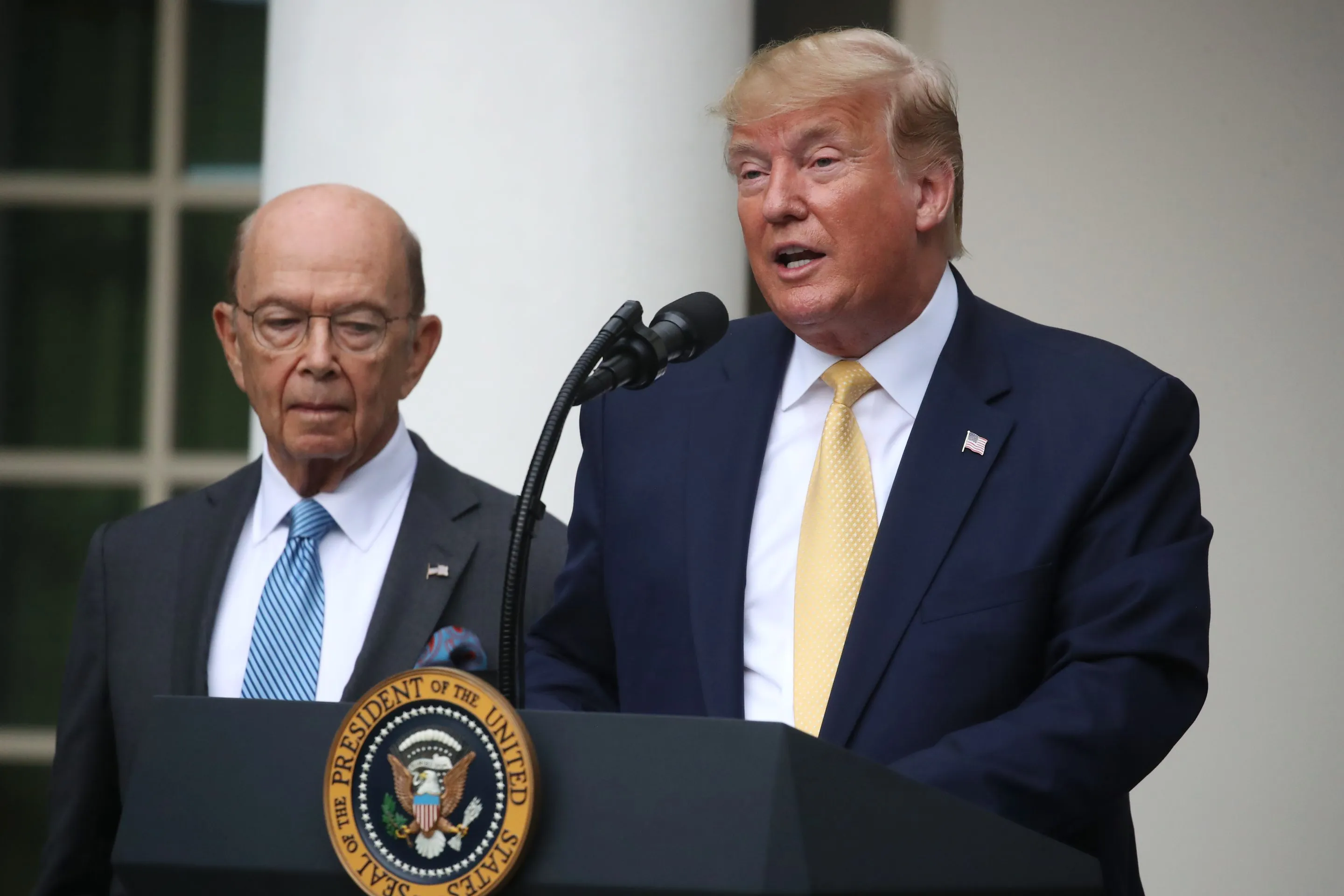
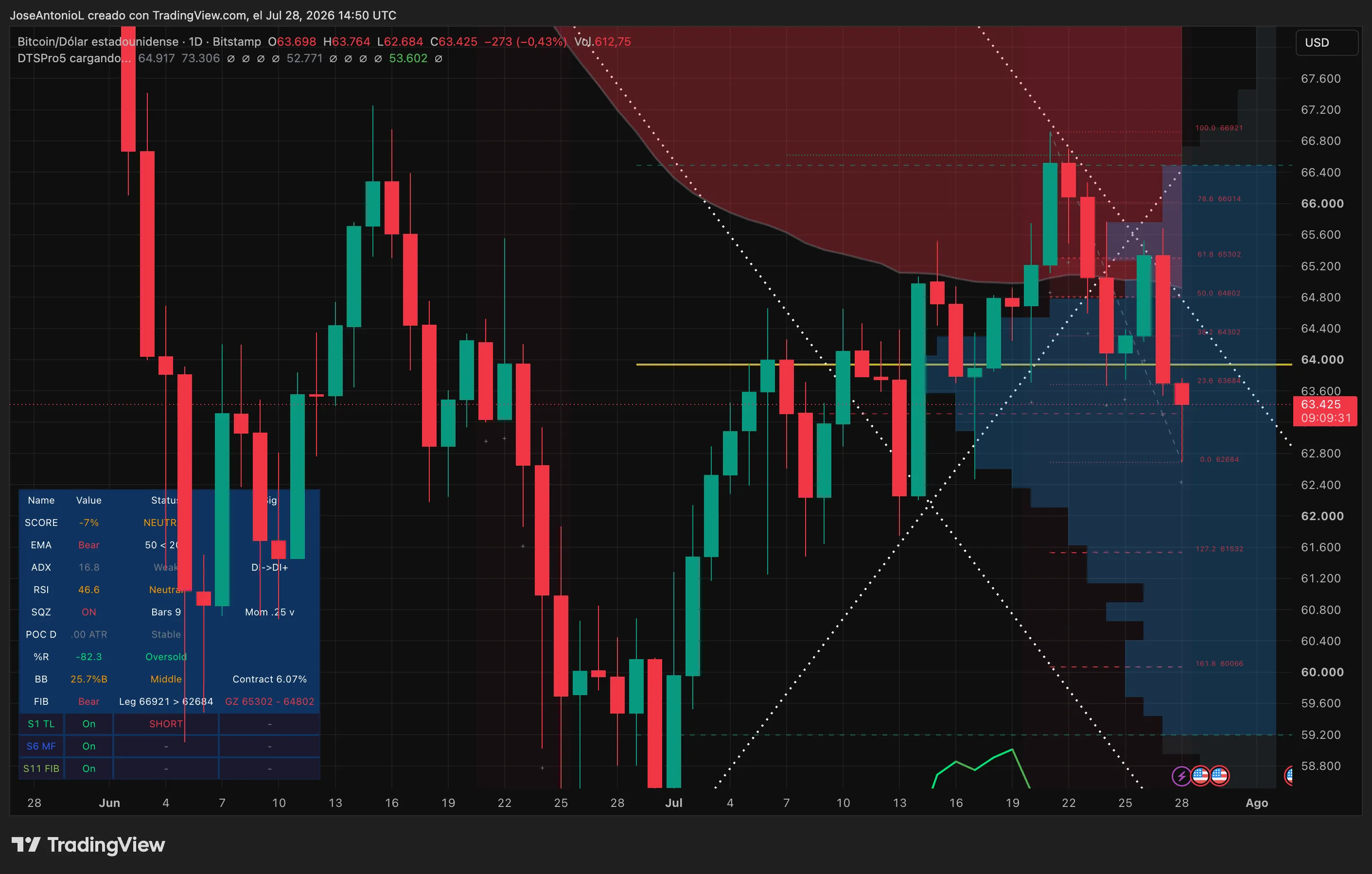
Foreign media reports that Michael Saylor has moved beyond just the Bitcoin proposal BIP-110, expanding the debate to the very question of whether the Bitcoin code should be modified. He recently posted multiple messages on X, comparing the Bitcoin consensus rules to a "constitution," arguing that any attempt by any faction to rewrite the rules would harm the economic rights of network participants.
Saylor currently serves as the Executive Chairman of Strategy. In his post, he stated that the biggest threat to Bitcoin is not external adversaries, but rather internal factions pushing to rewrite the rules for various reasons, and shifting the resulting costs and risks onto all holders and node participants.
The controversy escalates from BIP-110
BIP-110 is known as the "Reduced Data Temporary Softfork." This proposal aims to restrict the writing of non-financial data to the Bitcoin blockchain for approximately one year, including Ordinals. Saylor had previously published a lengthy article opposing the proposal, and this time he further includes covenants and the large block scheme in his criticism.
According to him, although these proposals take different directions, they essentially fall into the same category: imposing a specific agenda on the entire network by modifying existing Bitcoin rules. Saylor believes this is not just a software update, but a change in the economic order upon which participants originally depended.
The disagreement centers on consensus rules
Saylor's core argument is that Bitcoin's consensus rules should be considered the fundamental constraints on the network's operation. Nodes and miners use these rules to determine which transactions and blocks are valid. He believes that rewriting these rules for the convenience, ideology, or expansion goals of any particular faction would undermine the foundation of Bitcoin as a neutral monetary network.
He also stated that changes to the agreement should be made very infrequently and must be kept conservative, only being made when absolutely necessary, and should not be driven by expansionary demands or policy preferences.
BIP-110 support remains low.
Judging from the progress of the proposal, BIP-110 is still far from activation. The report mentions that the mandatory signaling window for the proposal is expected to open around August 9th, corresponding to block height approximately 961,632. At that time, nodes running the relevant software will begin rejecting ineligible blocks.
- The mandatory signal window is expected to open around August 9th.
- The corresponding block height is approximately 961,632.
- The current miner support rate is 2.64%, and the activation threshold is 55%.
The report also mentioned that the main advocate of BIP-110 is the pseudonymous author Dathon Ohm, and long-time Bitcoin developer Luke Dashjr participated in writing the original draft. Supporters largely come from the anti-spam camp, including some node operators around Bitcoin Knots. They argue that Bitcoin should continue to focus on peer-to-peer monetary uses, rather than becoming a long-term storage layer for arbitrary data such as inscriptions, tokens, and images.
However, some who disagree with Saylor's argument point out that BIP-110, covenant, and large blocks do not belong to the same policy direction. The former aims to restrict the use of certain data, covenant increases programmability restrictions, and large blocks increase capacity. It is not accurate to combine the three into the same type of "attack".