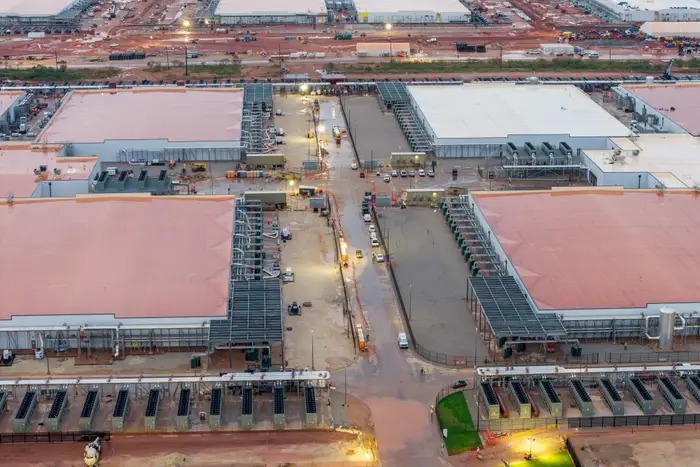
A public hearing in Emporia, Kansas, concerning an AI data center has drawn attention after a teacher was removed from the venue by police. Local media outlet KWCH reported that the high school physics teacher repeatedly applauded in support of speakers opposing the project before being handcuffed and led out of the hall.
Arrests occurred at the hearing.
The person removed was Lux Claridge, a physics teacher at Empolia High School. Reports indicate he applauded several times after a speaker criticizing the proposed project. The municipal council had warned attendees before the meeting that clapping, snapping fingers, and other such actions would be considered disorderly conduct.
After a final warning, police removed Claridge from the meeting, which continued. After being released on bail, Claridge told local media that the incident would not stop him from speaking out or expressing his stance through applause. He plans to plead not guilty at his court appearance in September.
The project has been approved for zoning adjustment.
The controversial project is the Flint Hills Digital Campus, with a planned area of approximately 1,000 acres. The project required zoning adjustments, which the Emporia Municipal Council ultimately approved, removing a procedural hurdle for the project's progress.
Supporters argue that such facilities are the necessary infrastructure to support AI services. Opponents, however, worry that the projects could exacerbate local electricity and water shortages, and create problems such as noise pollution, tax breaks, and strain on existing infrastructure.
Opposition actions escalate in multiple US locations
This incident comes as opposition to AI data centers is growing across the United States. The Brookings Institution noted in January that local issues such as electricity demand, water usage, and noise have begun to impact the progress of several proposed projects.
Reuters reported this month that protesters have held 142 demonstrations in 42 states across the country, dubbed the first round of nationwide coordinated action. Organizers are demanding greater transparency in approval processes, stronger protections for water and energy use, and increased accountability from developers.
In April of this year, Maine lawmakers passed a bill to temporarily halt the construction of large AI data centers in order to assess their impact on communities. According to a Reuters/Ipsos survey in June, only 14% of Americans said they would support building AI data centers in their own communities.