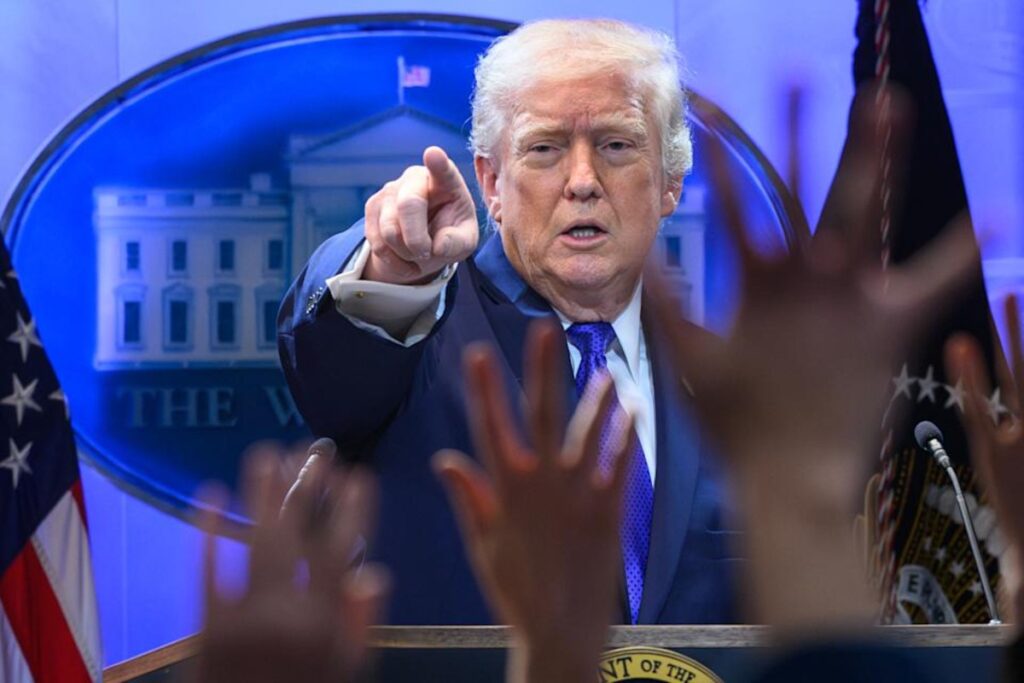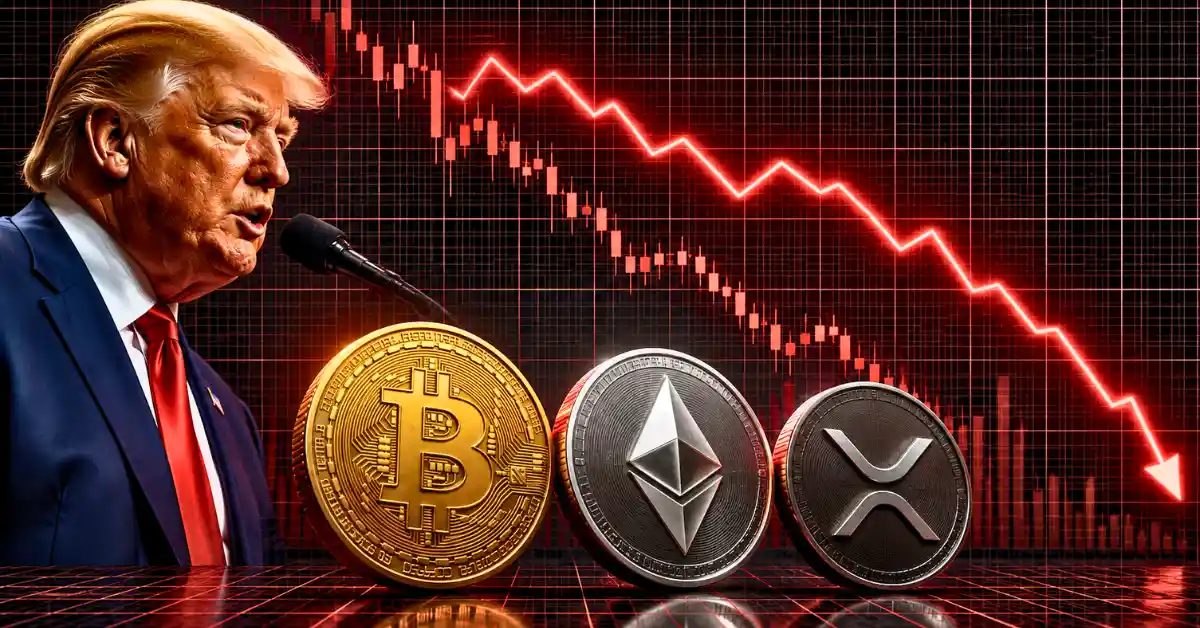


Foreign media commentators noted that HBO host John Oliver, in a recent episode, targeted the Trump family's expanding crypto business, arguing that it is blurring the lines between political power and private profit. The article stated that a significant portion of the family's wealth growth since Trump's return to the White House is related to digital asset businesses.
Mentioning the meme coin project
In his program, Oliver specifically criticized the Trump family-related meme tokens, stating that their price movements resembled the traditional "pump and dump" pattern. The program noted that the tokens' market capitalization once approached $50 billion before plummeting by approximately 92%.
The commentary also claimed that Trump himself allegedly profited approximately $636 million from the project. The program further mentioned that the White House had arranged special dinners for investors with large holdings of the token, and after the news broke, the token price initially surged by about 30%. However, as the rally subsided, over one million investors subsequently suffered losses.
World Liberty Financial has also been questioned.
Oliver also turned his attention to World Liberty Financial, a platform launched by Eric Trump, Donald Trump Jr., and Barron Trump before the presidential election. Commentators suggest that such projects could allow high-net-worth investors to forge closer ties with the White House through large-scale token purchases.
The program also mentioned that entities linked to the UAE had participated in similar investments. The core challenge to this claim lies in whether token sales could become a new channel for political relations and capital flows.
SEC Changes and Bill Controversies
The article also points to changes in the regulatory environment following Trump's return to the White House. Oliver states that after the departure of former SEC Chairman Gary Gensler and the appointment of Paul Atkins, the regulatory stance has clearly shifted towards being more supportive of the crypto industry.
According to the program, after the leadership change, over 60% of ongoing encryption enforcement cases were dropped or mitigated. Oliver also criticized the proposed CLARITY Act, arguing that if passed, it could transfer more regulatory responsibilities to agencies with weaker enforcement powers, thereby weakening future regulatory力度.
Overall, this commentary did not provide any new official developments in the investigation. Instead, it placed the Trump family's crypto business, White House event arrangements, and regulatory changes within the same framework, questioning whether there were conflicts of interest and weakened oversight.