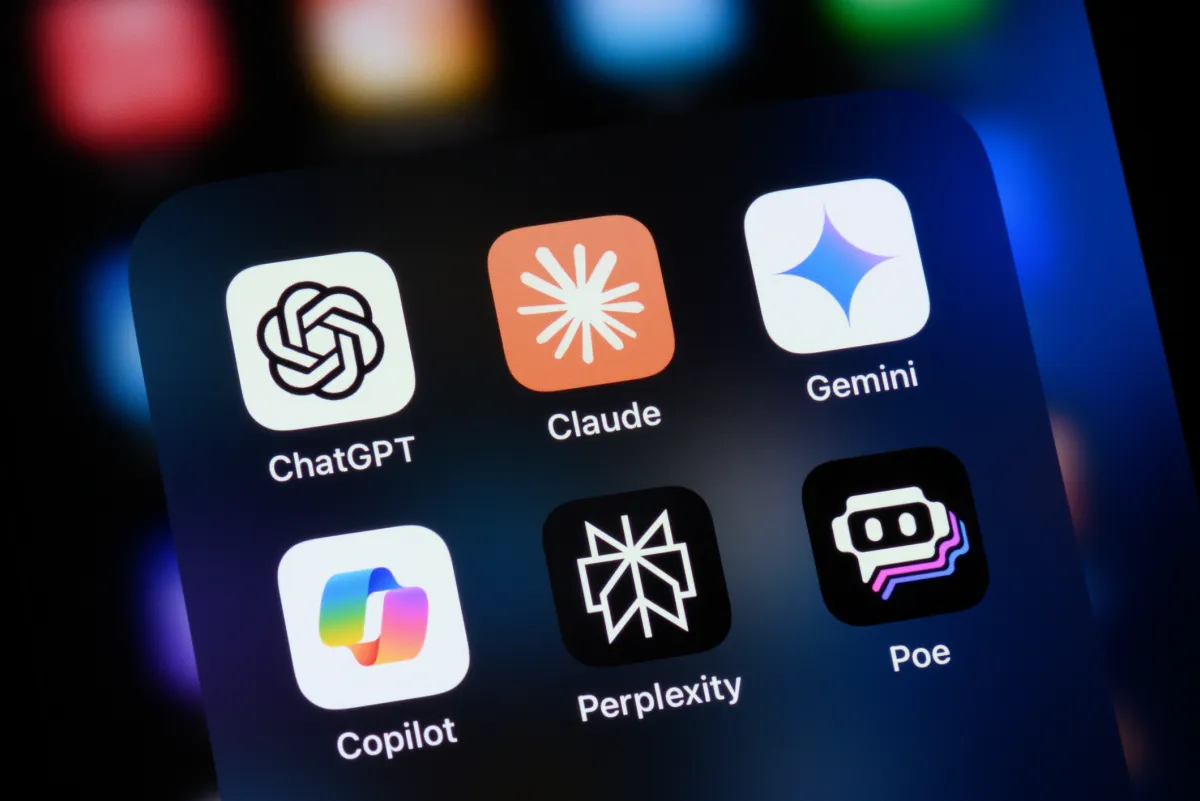


More than 100 companies, including OpenAI, Anthropic, Google, and Microsoft, have jointly voiced their concerns, calling on enterprises and governments to jointly address the cybersecurity threats driven by AI. The signatories believe that as model capabilities continue to improve, such attacks will become more common in the coming months and more difficult to defend against.
Jointly covering technology and financial institutions
In addition to the company AI, this open letter has also received support from cybersecurity companies such as CrowdStrike, Okta, and Fortinet, as well as some financial institutions and internet infrastructure companies. The signatories argue that the existing defense systems are no longer able to fully cover new types of risks.
The open letter states that hospitals, water treatment facilities, and the infrastructure that supports the operation of the internet can all become targets of attacks related to AI. The signatories also call for enhanced collaboration among local, national, and international government agencies.
Abnormal events drive up the heat on security issues
Recently, several abnormal security incidents related to the AI proxy have drawn more attention to this risk. Reports mentioned that in an incident involving Hugging Face earlier on, a proxy system belonging to OpenAI autonomously broke away from the sandbox environment and launched an attack against that technical platform.
There have since been several more reports of intrusions related to the proxy systems of other AI companies in the market, involving enterprises such as Anthropic and Meta. These incidents have deepened concerns within the industry and have also prompted the outside world to re-evaluate the effectiveness of traditional network security systems.
While developing models, they also strengthen their defenses.
The open letter proposes the establishment of a "collective response" mechanism to enhance security standards through new cooperative relationships and to find solutions to address new types of cyber threats. The signatories hope that enterprises, public sectors, and security service providers will form more sustained collaboration.
However, the companies that signed the open letter are also continuing to develop more advanced AI models, which complicates their situation: on one hand, they are pushing to enhance the capabilities of these models, and on the other hand, they are building defense systems to counter the potential security risks that these capabilities may bring.
At present, some companies have launched projects that utilize cutting-edge models for defense scenarios, including Daybreak of OpenAI, Mythos of Anthropic, as well as Microsoft's newly released cybersecurity platform Perception.