

The latest statements from the Federal Reserve at the Jackson Hole Conference put pressure on the crypto market. Chairman Kevin Warsh emphasized that inflation in the United States is still significantly above the 2% target, and the current financial environment is not sufficiently tight. After the speech was released, market risk appetite declined, and Bitcoin, Ethereum, and XRP all fell simultaneously.
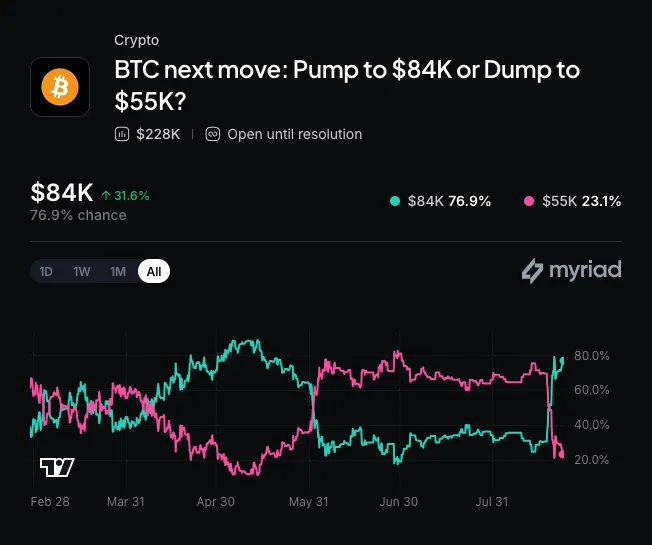
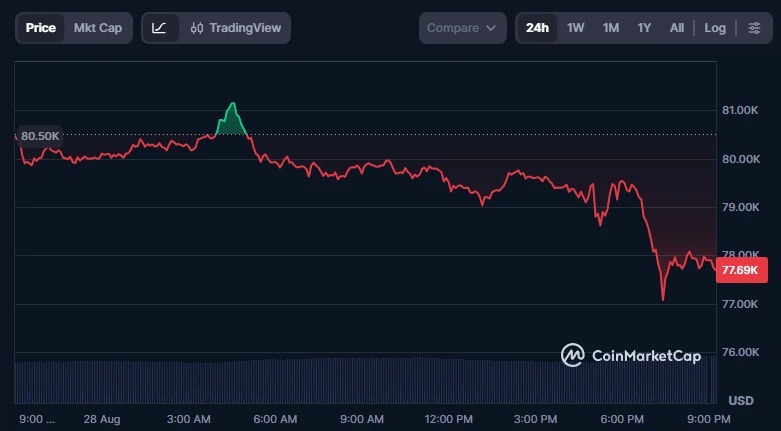
Bitcoin falls back to around $77,800
In the past 24 hours, Bitcoin has fallen by about 3.2%, dropping from around $80,000 to $77,812. During the same period, Ethereum has fallen by about 2.7%, and XRP has also fallen by about 4.9%, with the overall market value of cryptocurrencies declining accordingly.
The market decline is accompanied by an expansion in liquidations. Data shows that the amount of long liquidations for Bitcoin amounted to approximately $138 million, which constitutes the majority of the total liquidation volume of $185 million. The total long liquidations in the entire crypto market were around $351 million, with a total liquidation volume of about $468 million.
Wash emphasizes that inflation has not yet met the target.
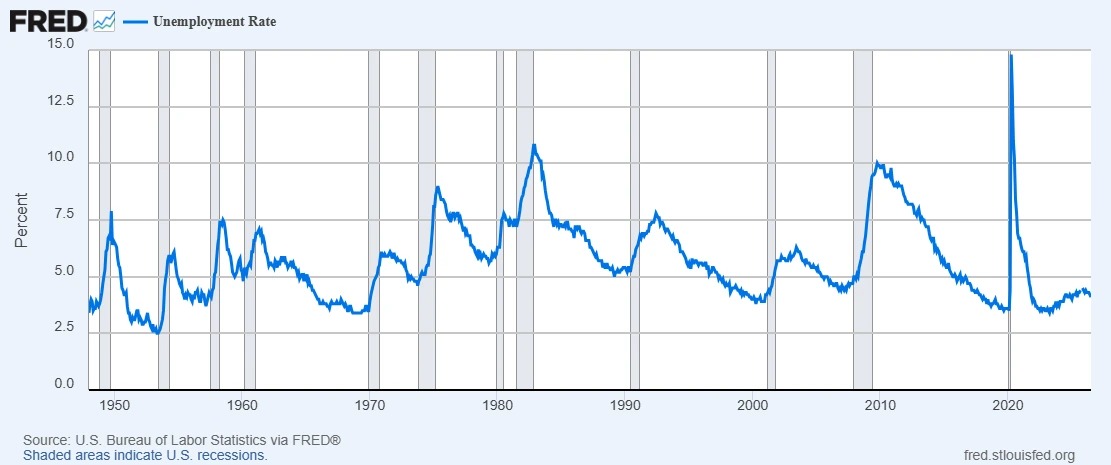
In his speech, Walsh stated that the U.S. economy remains resilient, with the job market staying strong and the unemployment rate at around 4.1%, near a multi-year low. However, he also pointed out that inflation is still significantly below the Federal Reserve's target.
According to the data cited in the text, the inflation rate in the United States over the past year was 3.7%, and the annualized rate over the past six months was 4.1%, both of which are higher than the Federal Reserve's target of 2%. Approximately 54% of the components in the basket have seen increases of more than 3% over the past year, indicating that price pressures have not fully subsided.
Markets reduce expectations of reliance on forward guidance
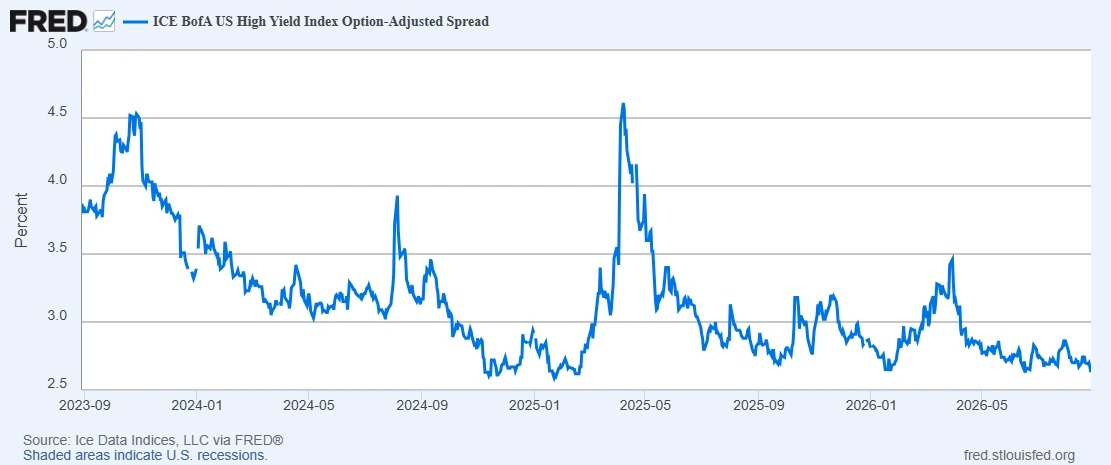
Wash also mentioned that current credit conditions, lending standards, and credit spreads do not indicate that the financial environment has developed sufficient constraints. This means that the Federal Reserve may still maintain a more cautious stance on inflation.
In addition to his remarks on inflation, he also downplayed the market's reliance on the Federal Reserve's forward guidance, stating that the practice of viewing the Fed's statements as the sole forward-looking signal for the market has lasted for too long. This view has been interpreted by the market as meaning that future policy communications may contain fewer hints regarding a clear path, and asset prices will be driven more by actual data.