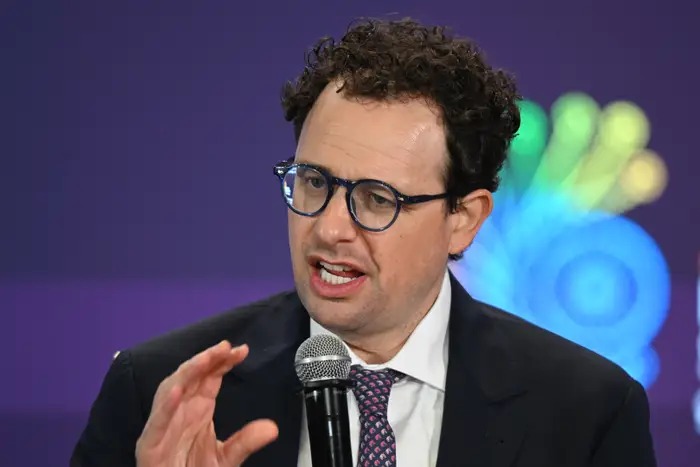


Trump stated that the United States has gained control of over 65 billion barrels of Venezuelan oil, claiming that this arrangement will more than double the country's oil reserves and also help to lower gasoline prices. However, the White House has not yet announced the relevant agreement, nor has it specified which companies are involved.
The White House has not yet disclosed the details of the agreement.
According to public statements, it is still unclear to the outside world what exactly the so-called "control rights" refer to, whether they are equity, mining rights, or long-term procurement and revenue arrangements. The White House has also not specified when this oil will be able to enter the international market, and the actual impact of these transactions on global supply remains to be seen.
Business Insider reports that this announcement came after Maduro was arrested in January of this year. Since then, Trump has been pushing for American oil companies to rebuild Venezuela's severely damaged energy industry. He previously stated that the companies' investment in local reconstruction and development would amount to at least $100 billion.
Venezuela has high oil reserves, but its production capacity has been impaired for a long time.
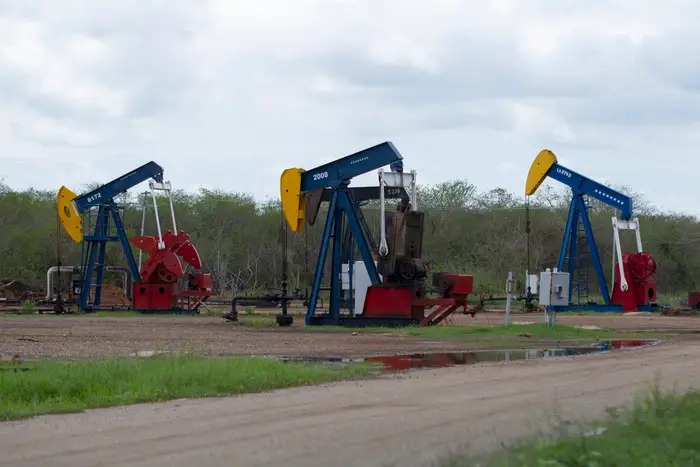
Data from the US Energy Information Administration shows that Venezuela has the world's largest proven crude oil reserves, amounting to about 303 billion barrels. However, years of insufficient investment, sanctions, and political instability have significantly weakened the country's crude oil production capacity.
This means that even if the relevant control arrangements are true, it still takes a relatively long period of time and large-scale capital investment to convert reserves into sustainable production. In an interview with NBC News in January this year, Trump also stated that developing Venezuelan oil requires "a substantial amount of funding."
Trump once said that companies would invest funds first.
According to his statements at the time, the oil companies would bear the development costs initially, followed by compensation from the U.S. government or recovery of those costs through future revenues. However, the White House has not provided further clarification on this funding arrangement and has not responded to media requests for comments.
From the current information, this statement seems more like an announcement of the policy direction to the public. The protocol structure, commercial participants, and the implementation pace are still the key factors in assessing its impact on the US energy supply and the international oil market.