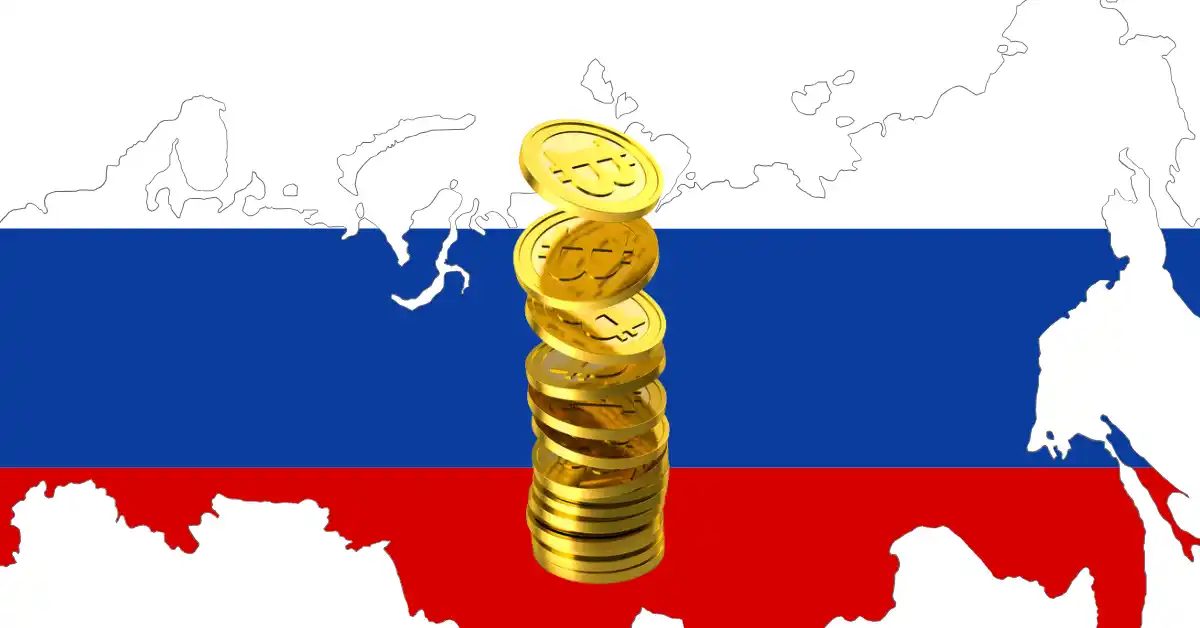


Russia's largest bank, Sberbank, is preparing to expand its range of crypto mortgage services. It plans to accept Ethereum and USDT in addition to Bitcoin as collateral for loans. However, this arrangement still depends on the approval of the Russian Central Bank for the public circulation of these assets.
Proposed to add ETH and USDT.
The vice chairman, as indicated by Anatoly Popov, stated that the company plans to accept Bitcoin, Ethereum, and stablecoins (USDT) as collateral for loans. However, at this stage, customers are not yet able to use all three types of assets immediately.
According to him, Sberbank will first adjust the existing products in accordance with Russia's new round of crypto market regulations, and then gradually expand the range of assets that can be used for secured loans. Among them, Bitcoin is the foundation of the current plan, while ETH and USDT will have to wait until regulatory approval before they can be included.
Bitcoin pilot projects have been implemented first.
Sberbank is not making its first attempt at this type of business. In December 2025, the bank had already tested an encrypted mortgage loan model with the Russian mining company Intelion Data.
This pilot loan is targeted at corporate customers, with Intelion cryptocurrencies obtained from mining as the collateral. During the loan period, Sberbank will manage the relevant collateral through its own custody infrastructure. This indicates that the bank has completed the preliminary verification of combining traditional loans with encryption asset guarantees.
If subsequent regulatory permits are expanded, Sberbank plans to extend this model from Bitcoin to Ethereum and USDT.
New Russian regulations come into effect on September 1
As Sberbank advances related businesses, Russia's new regulated crypto market framework will be officially implemented on September 1, 2026. According to the arrangements, the Russian Central Bank will decide which cryptocurrencies can be traded through regulated channels.
Currently, the Russian Central Bank has proposed to include Bitcoin, Ethereum, and USDT within the scope of regulated exchanges for trading. The considerations taken into account include market size, trading activity, as well as their trading history in overseas markets.
For non-qualified investors, the new framework imposes restrictions: investors must pass a relevant knowledge test, and there is an annual purchase limit of 300,000 rubles per intermediary institution. At the same time, the use of cryptocurrencies to pay for goods and services remains prohibited within Russia.
Overall, the expansion plan of Sberbank has already taken initial shape in terms of business, but whether ETH and USDT can truly enter the mortgage loan product market still depends on the final approval from the Russian Central Bank.