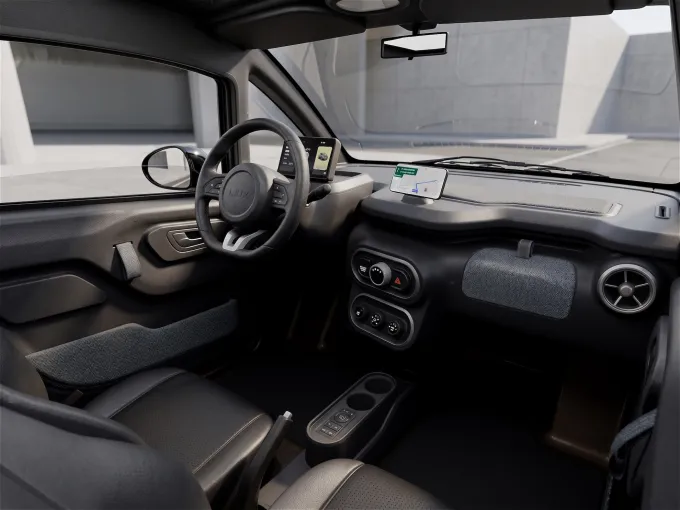


After the continuous rise in demand for microcars in European cities, a larger share of the market is flowing towards Chinese electric vehicle brands. Spanish startup Liux is attempting to carve out a niche in this segment by offering products that place greater emphasis on material recycling, local assembly, and lightweight design.
Certified across Europe
Liux plans to sell mini-electric vehicles in the first half of 2027. The company stated that this vehicle has completed European certification and is currently preparing for mass production. Liux currently has 65 employees and has set up 3 production facilities in Spain.
In 2022, the company released five prototype vehicles of pure electric SUV, but later shifted to smaller car models. Management believes that microcars are easier to certify and are more in line with the company's current resources and market entry strategy.
Flax composite materials as a selling point
Liux positions sustainability as a core selling point. The vehicle's batteries are not manufactured in Europe, but they support home charging and can also be used in conjunction with solar energy. The body is made of bio-composites based on linen, with the aim of making them easier to recycle and reuse after disassembly.
The company also emphasizes that vehicles should be easier to maintain and that rapid obsolescence should be minimized as much as possible. Co-founders Antonio Espinosa, de, los, and Monteros stated that whether a material is truly recyclable depends not only on laboratory conditions but also on whether the product is designed with disassembly and reuse in mind.
Price lower than 18,000 euros
Liux has not yet announced the final selling price, but it is stated that the pricing of Liux Big will be below 18,000 euros, without taking into account any possible electric vehicle subsidies. The initial model will be available in two versions: 15 kWh and 20 kWh. There are also plans to launch a freight version in the future.
The company stated that currently, more than 7,500 people have joined the waiting list. The potential users are mainly urban residents aged between 55 and 60, which indicates that this vehicle is more likely to be used as a second car in the family, rather than directly replacing traditional cars.
Target of 20,000 units per year by 2030
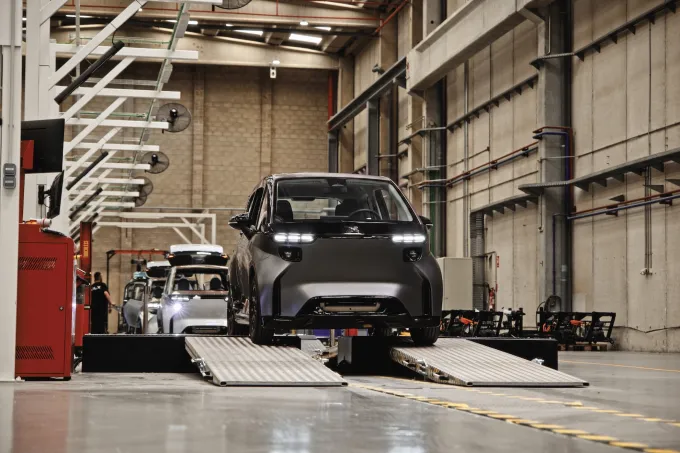
The factories located in Liux, Azuqueca, de, and Henares in Spain adopt a lean production model and are mainly responsible for the final stages of the manufacturing process. The company expects that by 2030, the annual production capacity is expected to reach 20,000 units.
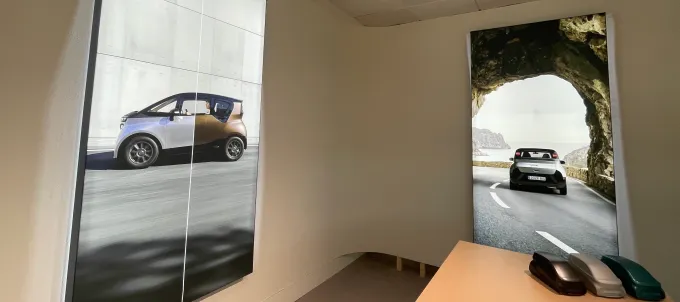
As of now, Liux has received approximately 16 million euros in funding, including support from European sources. The company plans to collaborate with European automobile dealers to bring Liux Big to the market and to compete with Chinese rivals through differentiated design and materials.