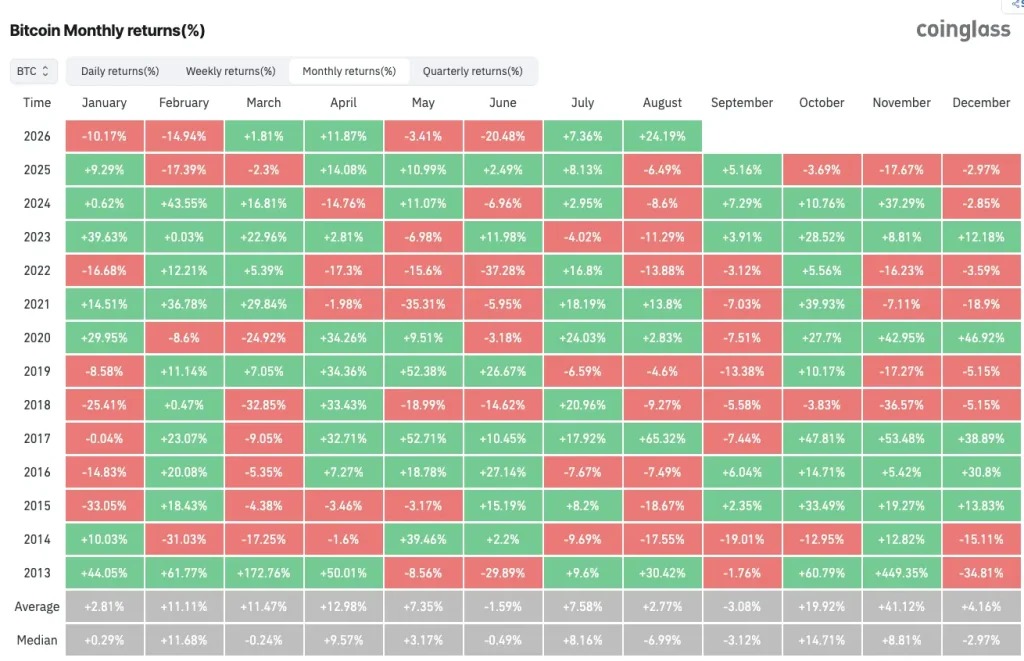


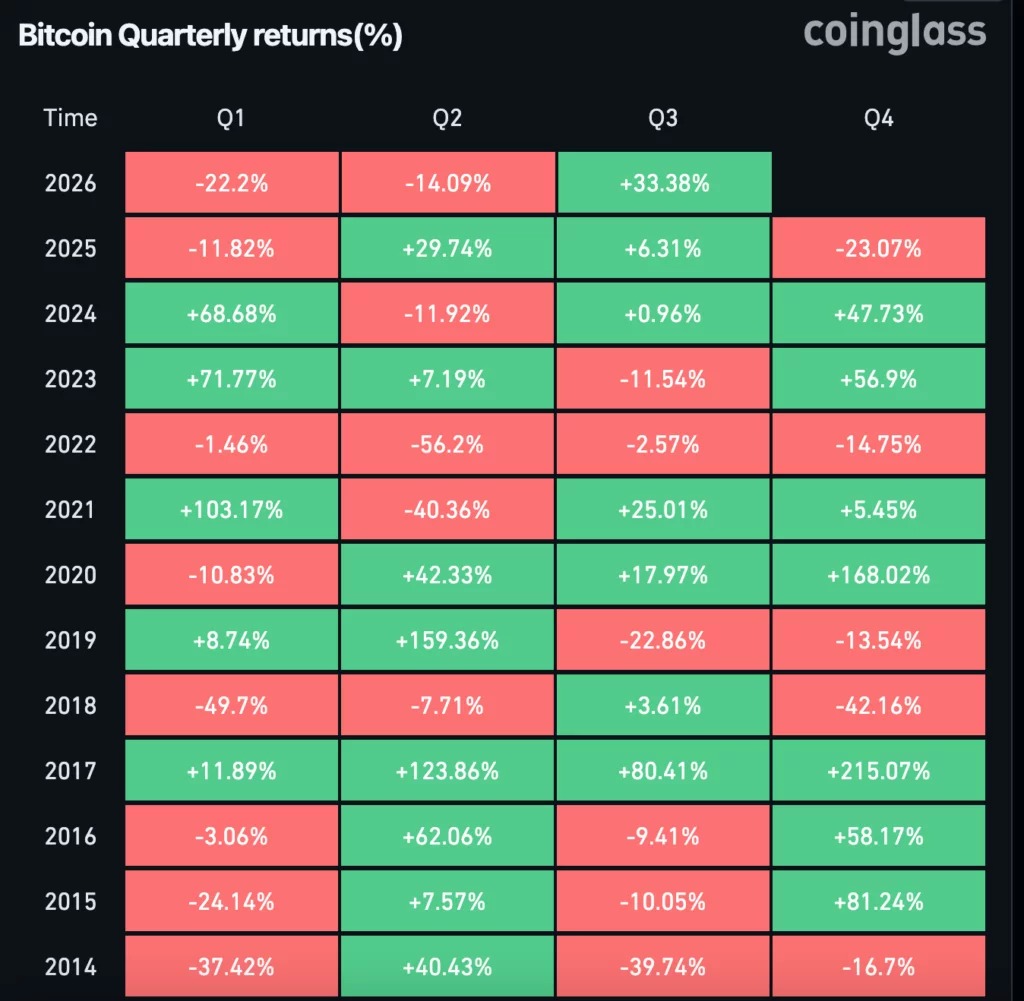
Bitcoin hovered around $78,400 on the last trading day of August, with a monthly increase of about 24%. Based on the current trend, this will be its strongest August since 2017, and it has largely reversed the weak performance seen in the first half of this year.
ETF Capital reflux drives a rebound
U.S. spot Bitcoin ETF saw a net inflow of approximately $1.92 billion over the five trading days ending August 21, marking the strongest single-week inflow since October 2025. By August 24, the cumulative net inflow for August had risen to around $2.72 billion, making it the month with the strongest capital performance so far this year.
Previously, there were large-scale redemptions of such products in May and June. After entering August, funds began to flow back again. During this period, there was a single-day net inflow of $517 million, and on that day, Bitcoin broke through the $70,000 mark.
Compared to derivatives clearing, the capital flow of ETF can more directly reflect the real buying power in the US compliant market. However, such capital flows can also reverse quickly, so whether the inflow will continue in September remains an important point to observe for whether prices can remain high.
Short liquidation magnifies the increase in price range
In mid-August, Bitcoin was still hovering around $63,000, but then it rapidly rose and briefly broke through $80,000 for the first time since May. As prices continued to climb, short positions in the derivatives market were significantly squeezed.
CoinGlass Data shows that in the past two weeks, the crypto market has seen a total liquidation of approximately $9.71 billion, of which short positions were liquidated for about $6.55 billion and long positions for about $3.16 billion. The relevant data covers the entire crypto market, not just Bitcoin, but it indicates that short covering was one of the important driving forces during this round of gains.
Some analysts also mentioned that the number of open futures contracts priced at BTC has decreased, and the funding rates have not become significantly out of control. This suggests that the early breakthrough was more likely driven by short covering rather than a full-scale rally by highly leveraged long positions.
In September, attention is on $80,000 and employment data.
At a macro level, on August 19, the U.S. Treasury Department announced that it would raise the single maximum amount for long-term government bond repurchase operations from $2 billion to at least $4 billion, covering bonds with maturities of 10 to 20 years and 20 to 30 years. The plan is to be implemented from September 9 to November 4.
This arrangement is aimed at improving liquidity in certain government bond markets, rather than directly supporting crypto assets. However, after the announcement, U.S. Treasury yields fell for a time, the dollar weakened, and Bitcoin and gold both rose in value simultaneously. The market viewed this as one of the favorable factors for scarce assets.
However, this support subsequently weakened. Federal Reserve Chairman Kevin Warsh sent hawkish signals at Jackson Hole, raising market expectations for a rate hike in September. If interest rate expectations continue to rise and the dollar strengthens, it may once again suppress the performance of interest-free assets.
- On September 4th, U.S. employment data was released.
- On September 9, the U.S. Treasury Department expanded its treasury bond repurchase program.
- In September, the Federal Reserve's interest rate decision was finalized.
If the spot ETF continues to maintain a net inflow, and Bitcoin manages to rebound above $80,000 again, the upward trend seen in August is expected to continue into September. If this level cannot be regained, short-term market fluctuations may intensify once more.