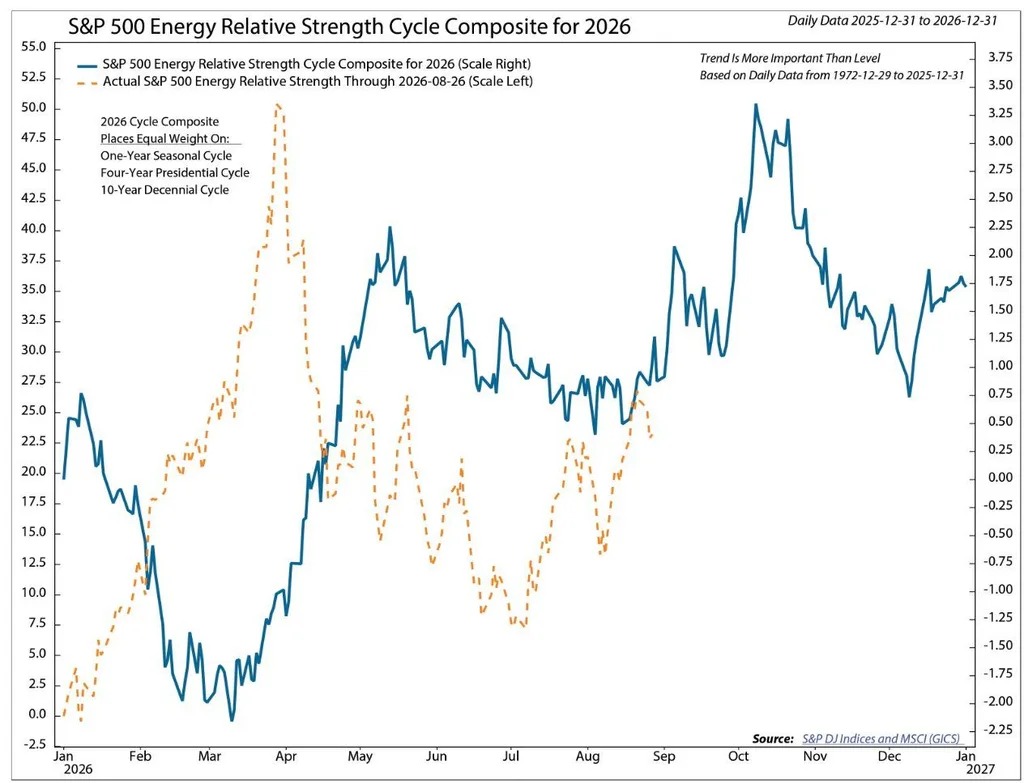


U.S. stocks opened lower on Monday, with risk sentiment weakening on the last trading day of August. Oil prices rose again, and U.S. Treasury yields increased. Coupled with the typically weaker seasonal performance in September, this put pressure on the S&P 500 Index and the Dow Jones Industrial Average.
The three major stock indices opened lower.
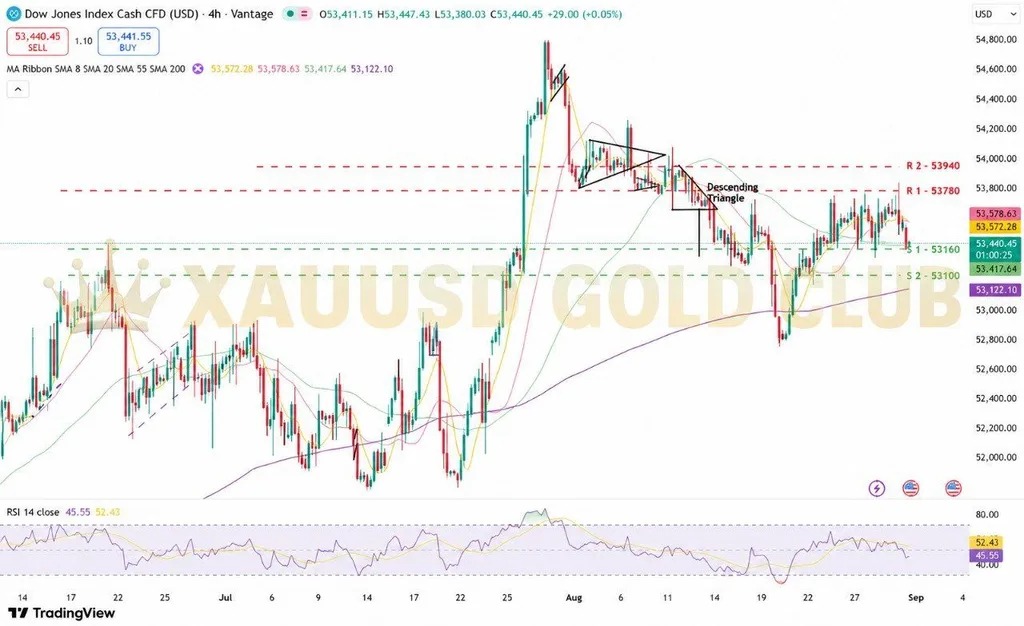
After the opening, the Dow Jones index fell by 97.4 points to 53,462.6 points, a decline of 0.18%. The S&P 500 index fell by 0.18% to 7,697.52 points; the Nasdaq Composite Index fell by 0.17% to 26,358.56 points.
Market pressure mainly comes from rising energy prices. Brent crude oil has risen by more than 2%, breaking through $90 per barrel; US crude oil has climbed to $86.40. Reports indicate that the situation in the Middle East has once again pushed up crude oil prices after the United States struck rocket launch facilities near the Strait of Hormuz.
Oil prices and interest rates exert pressure in tandem
The bond market is also adding pressure to the stock market. The yield on 10-year U.S. Treasury bonds has risen to around 4.75%, with investors re-evaluating the combined impact of higher energy costs and tighter interest rate prospects.
An increase in yield rates typically raises financing costs and also lowers the market's valuation of a company's future earnings. This makes growth stocks and overall risk assets more vulnerable to fluctuations.
The market has shifted its focus to the September data.
Before entering September, the overall performance of U.S. stocks in August was still strong. Before the opening on Monday, the Dow Jones index had risen by about 2.1% for the month of August, the S&P 500 index had risen by about 3%, and the Nasdaq index had risen by about 4.1%.
However, in the coming week, the market will face a barrage of U.S. economic data, with the focus on the non-farm payroll report for August, which will be released on Friday. During the same period, JOLTS job vacancies, manufacturing data, ADP employment data, the number of people claiming unemployment benefits at the beginning of each week, and service industry prosperity data will also be released.
If oil prices and U.S. Treasury yields continue to rise, the weak performance in September may further affect market sentiment; if yields fall and heavyweight stocks maintain their support, the short-term pressure on the U.S. stock market is expected to ease.