

After the White House announced a petroleum agreement with Venezuela, the market began to discuss whether this deal would further affect the stock market and crypto assets through oil prices, inflation, and interest rate expectations. Foreign media commented that for this logic to hold true, there must be a noticeable decline in domestic energy prices in the United States.
The focus of the transaction lies in the transmission of oil prices.

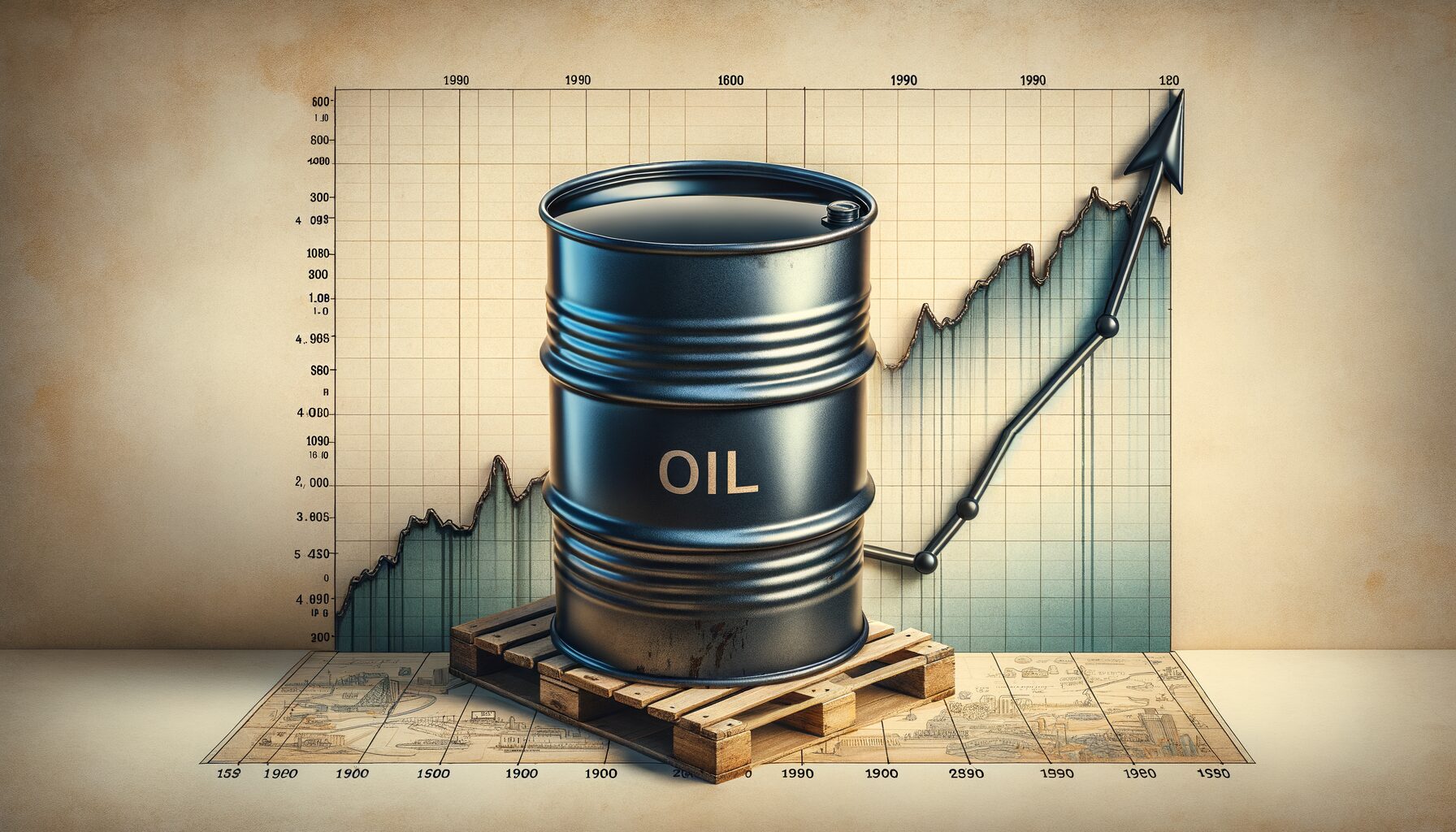
According to the White House, this agreement involves Venezuela's proven oil reserves, while Trump claims that this move will keep U.S. gasoline prices low in the long term. If oil prices fall, the most direct impact will be a reduction in inflationary pressures.
In the current market environment, inflation remains an important variable in the Federal Reserve's policy decisions. If falling energy prices lead to a cooling of inflation data, concerns about further interest rate hikes may ease, and the pressure on risk assets is also expected to diminish.
Interest rate expectations are related to risky assets.
The article argues that both the stock market and the crypto market are relatively sensitive to interest rate trajectories. If a decline in inflation leads to more accommodative policy expectations, it is generally conducive to the restoration of stock valuations and may also improve the risk appetite for crypto assets such as Bitcoin.
The core of this judgment does not lie in the protocol itself, but in whether the protocol can truly change the energy supply and retail prices in the United States. If gasoline prices do not decline significantly, the optimistic expectations that the market has previously established will be difficult to sustain.
Energy experts question the short-term effectiveness
However, many experts in the energy sector are cautious about seeing significant results in the short term. The former U.S. State Department Special Envoy for International Energy Affairs, David Goldwyn, stated that the information available to the public is still limited, and external judgments are largely based on social media messages and rumors.
GasBuddy The head of oil analysis, Patrick De Haan, also believes that unless there is a nearly unrealistic significant price cut, the average price of gasoline in the United States is unlikely to improve significantly in the short term. He pointed out that current national oil prices are still at a relatively high level.
From a practical perspective, the development of Venezuelan crude oil still requires large-scale investment, and there are doubts regarding the legality and long-term enforceability of the agreements. Therefore, the impact of this transaction on the stock market and the crypto market is more likely to be reflected in expectations in the short term, rather than immediately appearing in fundamental data.