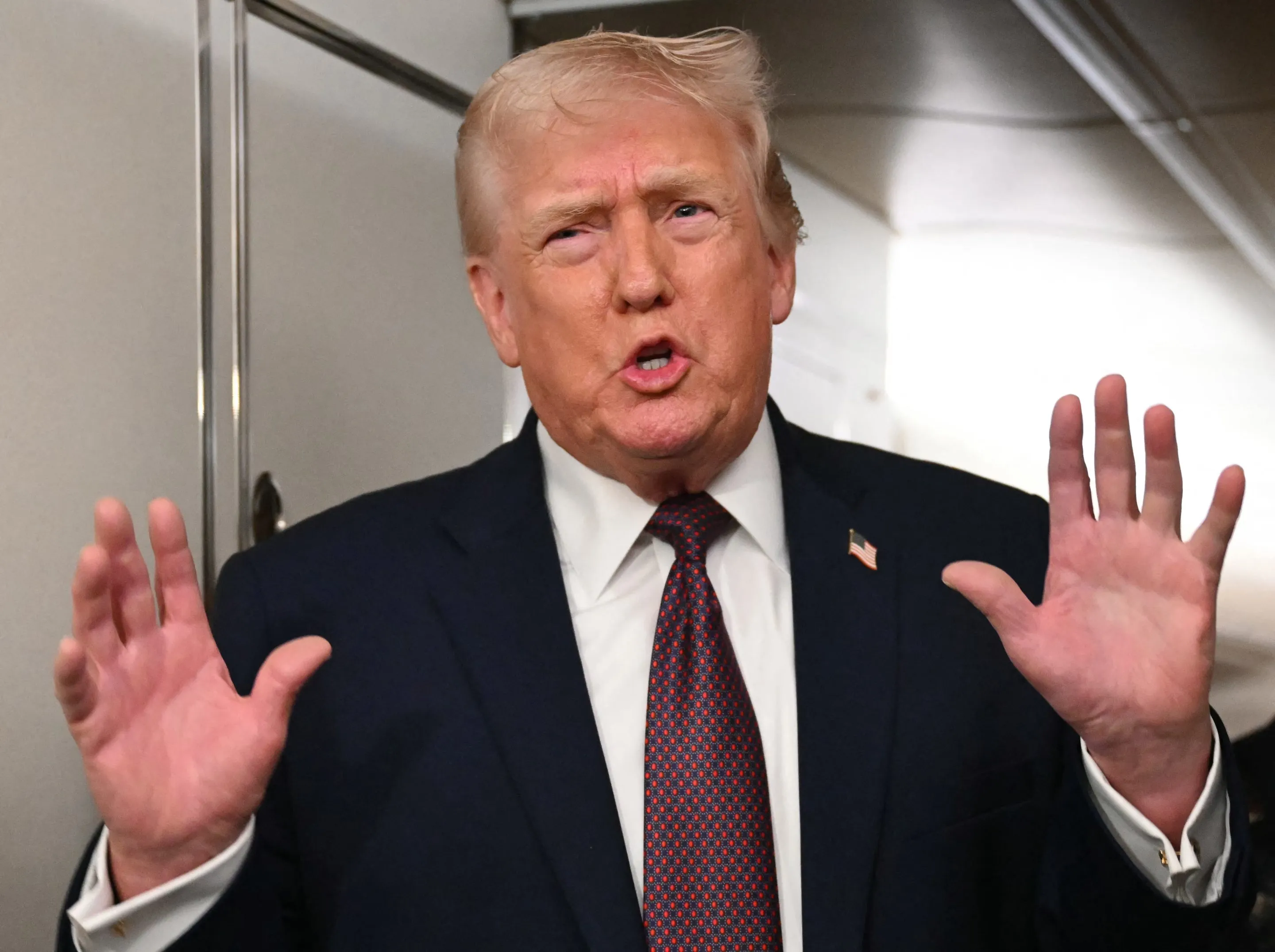


Foreign media commented that Trump and the Venezuelan side announced a petroleum agreement, but there is very little public information available. The details of the agreement, the negotiation process, and the conditions for its implementation have not been fully disclosed. The author of the article believes that since this arrangement was reached without public discussion, both its legality and effectiveness are in question.
Protocol details not disclosed
The article states that this agreement came as a surprise not only to the outside world but also to those involved in Caracas, who were not informed in advance. The author describes it as an arrangement made in a closed environment and believes that such practices make it difficult to provide a stable foundation for subsequent implementation.
The author's core conclusion is that what Venezuela currently needs more is a clear property rights arrangement, especially regarding private property rights and development rights over oil resources. If this premise is not established, even with new political transactions, it will be difficult to change the long-term situation of low value of oil assets.
The issue points to PDVSA.
The article points the finger at Venezuela's state-owned oil company PDVSA. It is stated in the article that this company has long dominated the country's foreign exchange earnings, but due to poor management, insufficient capital expenditure, and a loss of professional talent, it has continuously dragged down production.
The author recalled that PDVSA once saw an increase in production in the mid to late 1990s, but it gradually stagnated after Chavez came to power. After the political turmoil in 2002, a large number of professionals were dismissed, and the situation further deteriorated during Maduro's tenure. Aging equipment, increased accidents, and longer downtime all contributed to the decline in production.
The author advocates for dollarization and privatization.
The article argues that Venezuela does not lack oil reserves; the real problem lies in the excessively slow rate of extraction, which prevents a large portion of these reserves from being converted into tangible value within a foreseeable period. The author uses this point to illustrate that a single, undisclosed oil agreement alone is insufficient to restore the fundamentals of the industry.
In terms of policy recommendations, the author proposes that the use of the Bolivar should be discontinued in favor of the US dollar, in order to curb inflation and restore confidence. Subsequently, the privatization of the oil industry should be pursued through "legal means," along with an increase in production.
However, this article is essentially a commentary with a clear stance. Its focus is not on revealing details of the agreement, but rather on opposing a political arrangement that is deemed lacking in transparency, and it advocates for replacing short-term transactions with monetary and property rights reforms.