

Foreign media reports that after Bitcoin recorded its best performance for the same period since 2017 in August, it quickly weakened at the beginning of September, falling below $77,000 at one point. The article suggests that the market is reevaluating higher interest rates, a stronger US dollar, and rising oil prices, factors that have suppressed the performance of crypto assets in the short term.
Weak start in September
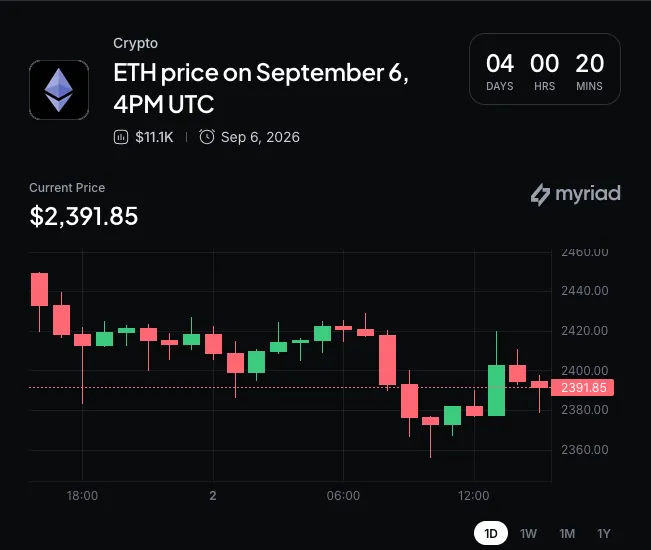
As of press time, mainstream crypto assets have generally seen declines. Bitcoin is trading at around $76,600, down about 2% for the day; Ethereum has fallen by about 3% to $2,376, with Solana dropping by about 4%. The article mentions that September has historically been a month when Bitcoin performs poorly, with an average return of nearly -3% since 2013, and there have only been 5 instances of positive returns in those 13 years.
However, in the past three years, Bitcoin has closed higher in September each time. This indicates that "weaker performance in September" is not an absolute rule, but in the current macroeconomic environment, market sentiment is clearly more cautious.
Rising oil prices and yields
The article attributes this round of decline to increasing macroeconomic pressures. Federal Reserve Chairman Kevin Warsh emphasized in his speech at Jackson Hole that inflation remains high, and subsequently, the bond market reacted significantly, with the yield on 10-year U.S. Treasury bonds rising to 4.784%. Currently, the market estimates a 66% probability of a 25-basis-point interest rate hike at the meeting on September 16.
Meanwhile, the United States continues to strike Iranian targets, pushing the price of WTI crude oil above $88 per barrel, with a gain of about 2% to 3% during the session. Under the combined effect of higher interest rates and higher oil prices, risky assets are under pressure, and U.S. stock futures also weakened accordingly.
The article argues that this combination is generally not favorable for Bitcoin and gold. The reasons are that tighter financing conditions and a stronger US dollar both weaken the market's appetite for high-volatility assets.
ETF provides financial support
Despite the price decline, the funding situation has not weakened overall. On Tuesday, there was a net outflow of $237 million in US Bitcoin spot ETF, but Ethereum spot ETF still saw a net inflow of approximately $8.6 million, continuing the previous trend of continuous inflows.
The article also mentions that the activity on the blockchain market remains high. Robinhood Chain has refreshed its handling fee revenue records, and DEX has set new transaction volume records, with Pumpfun terminal transaction volumes also reaching new highs. Foreign media believes that if ETF funding, blockchain transactions, and crypto-related activities continue to expand, they may still be able to offset some of the macroeconomic pressures.
Next, the Federal Reserve's interest rate meeting on September 16 will become a focal point for market attention. The article argues that this meeting will not only affect short-term interest rate expectations but may also determine the macro trading tone of the crypto market for the rest of this year.