




The advancement of the US crypto regulatory framework has once again become a focal point of industry attention. The CEO of Coinbase stated that the Senate's vote on the Clarity Act is approaching, and the bill is now close to gaining sufficient support. Even if it ultimately fails to pass, the industry may still soon see clearer regulatory rules.
Voting on September 15th is approaching.
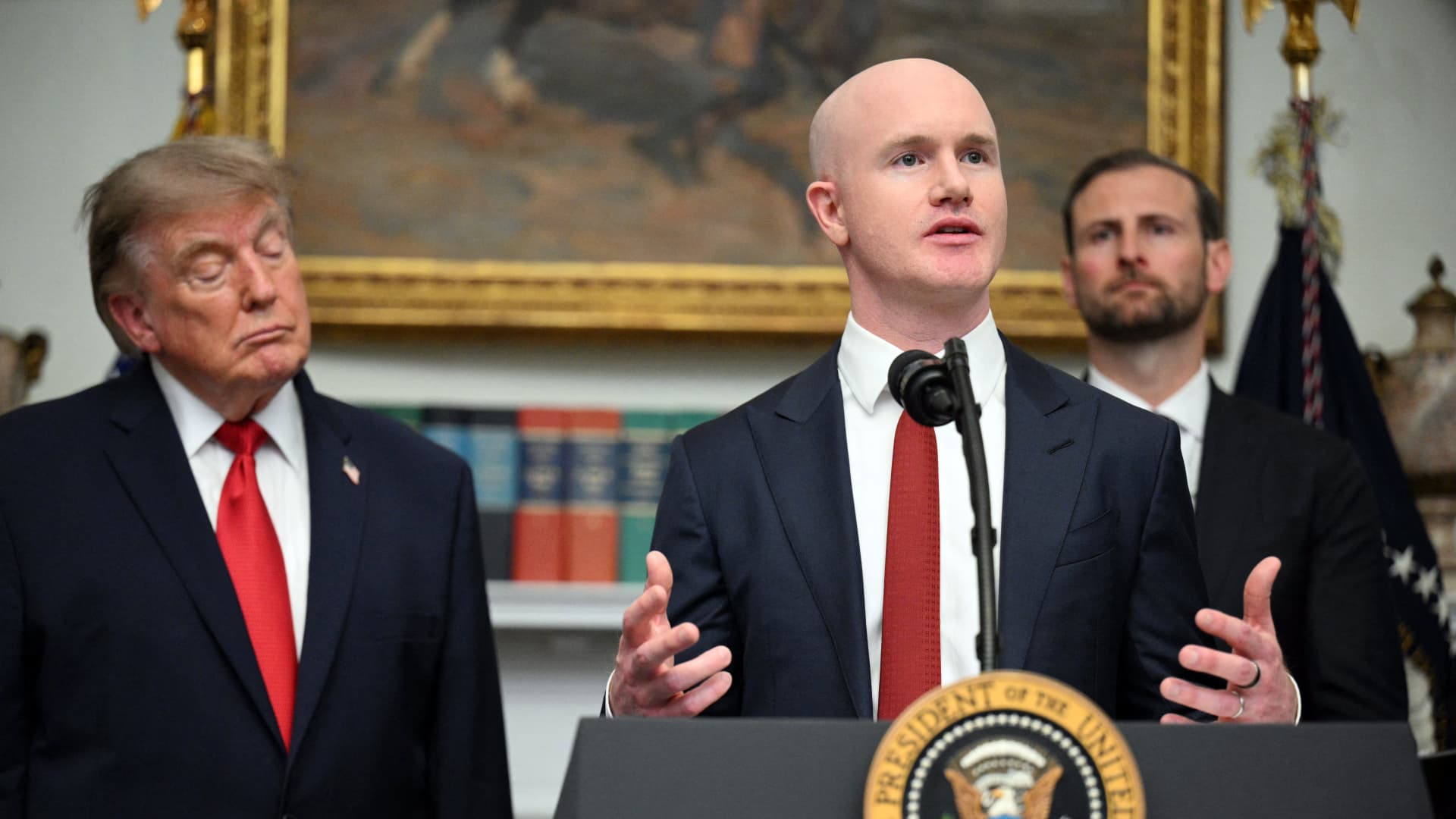
In an interview with CNBC, Armstrong stated that some of the senators he has contacted hold a supportive attitude towards the bill, and that the bill "is ready to receive favorable votes." The Clarity Act aims to establish a federal regulatory framework for the digital asset industry in the United States and further delineate the regulatory responsibilities between the Securities and Exchange Commission (SEC) and the Commodity Futures Trading Commission (CFTC).
This bill was proposed in May 2025 and passed the House of Representatives last July. It is now scheduled to be voted on by the Senate on September 15th.
However, for the bill to progress in the Senate, it still faces a threshold of 60 votes. One of the current negotiation focuses is on content related to ethical provisions. Sen. Ruben Gallego from Arizona, a Democrat, has previously stated that to secure enough votes, it is still necessary to reach an agreement on ethical legislation and some unresolved issues.
Armstrong said that the relevant terms are still under negotiation, but we are already very close to reaching a solution.
New regulations may be introduced even if the bill is not passed.
Armstrong believes that even if the Clarity Act proposal is not ultimately approved, the industry may not necessarily come to a standstill. He stated that SEC and CFTC have already signaled their readiness to advance rule-making, and that regulatory clarification "is inevitable anyway," with the timing possibly being around September 15th or one or two days thereafter.
In his view, if the bill passes, it will be a step forward in further institutionalizing the crypto industry in the United States. It may also help more institutional funds enter the market and create conditions for the implementation of products such as tokenized stocks in the US.
Coinbase Expands Diverse Businesses
When discussing company operations, Armstrong stated that the overall performance of the encrypted spot trading business has been weak over the past year, and Coinbase is also accelerating efforts to diversify revenue sources beyond spot trading.
He stated that currently, about half of the company's revenue still comes from trading operations, but the scope of trading has expanded from crypto assets to stocks, commodities, and foreign exchange. Non-trading revenue includes stablecoin business and institutional custody.
- Second-quarter revenue was $1.2 billion.
- Revenues in the same period last year were 1.5 billion US dollars.
- Net loss was $359.5 million.
According to the second-quarter results announced in July by Coinbase, the company's revenue and profits have been below Wall Street's expectations for three consecutive quarters.
The UAE and Singapore become strongholds
Apart from the US market, Coinbase is also continuing to expand its overseas presence. Armstrong indicates that the company has established business footholds in the United Arab Emirates and Singapore, and regards Singapore as its hub in Asia.
He stated that during the periods when the regulatory environment in the United States was less favorable, these overseas centers were particularly important for the company's operations. Coinbase would also prefer to enter markets that are more open to the crypto industry and remain cautious in regions with greater regulatory obstacles.