




The U.S. Army has awarded a $11 million contract to Austin-based startup Tern for the deployment of their low-cost, non-GPS navigation technology. With an increase in GPS interference incidents over the Middle East, Ukraine, and Russia, the military's demand for alternative positioning solutions is on the rise.
Vehicle side directly outputs positioning information.
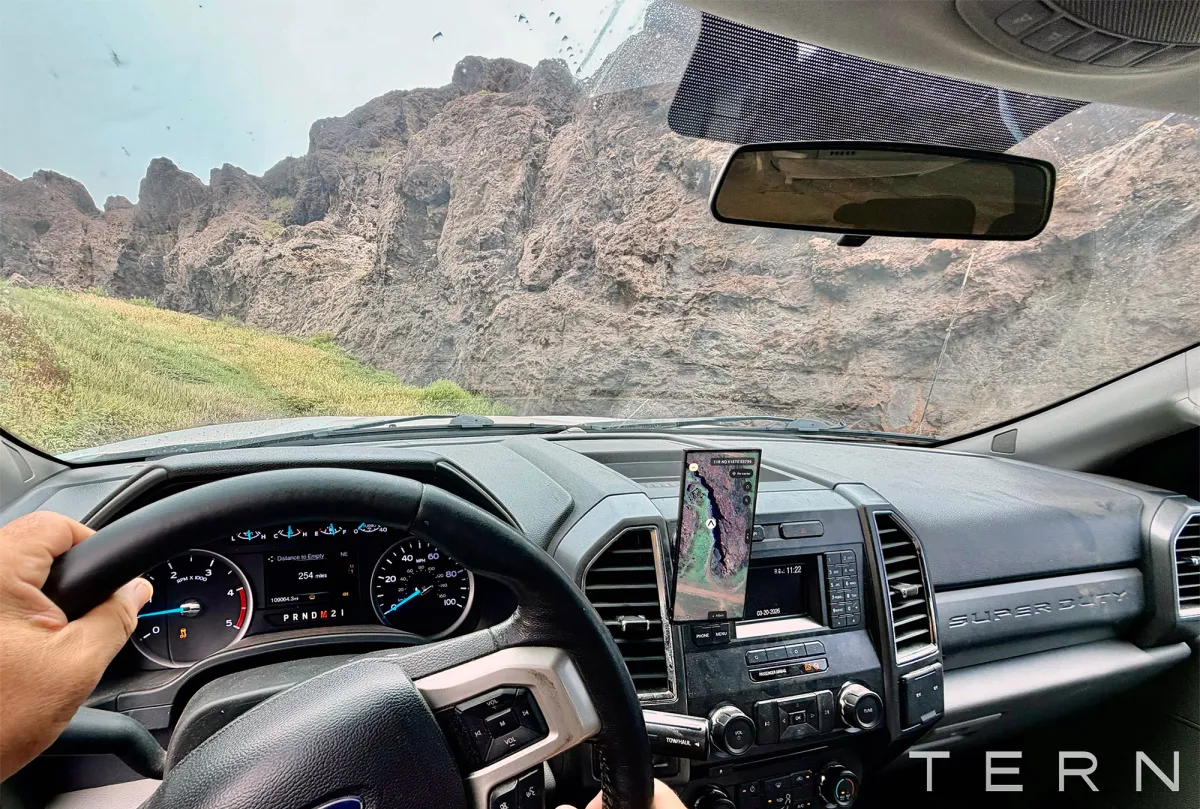
The co-founder and CEO Shaun Moore stated that this device can be connected to the vehicle diagnostic board and linked to a tablet computer, allowing soldiers to view location, navigation, and route information through the tablet. The company claims that the system passively receives vehicle data without interfering with the existing data flow.
On this basis, Tern further converts this information into latitude and longitude data that can be used for navigation using its own methods. Moore has not disclosed the specific technical details, but indicated that the team has invested a great deal of development work to achieve this process.
For GPS disturbed environments
According to the company, the vehicles can independently determine their own location relying on local edge processing capabilities, without having to rely entirely on external GPS signals. Such capabilities are particularly important in environments such as off-road areas, tunnels, and deserts.
Another co-founder, Brett Harrison, stated that he recently used this system to complete a driving journey of about 1,300 miles from Austin to Laguna Beach in California. During that period, the vehicle's location was not lost, whereas with traditional GPS, there were multiple interruptions.
Military procurement verifies implementation capabilities
The company also emphasized that this is a closed system, which is not only a backup plan but also more difficult to be interfered with by competitors. Reports indicate that issues with GPS have been a concern in recent years, and it has been revealed that the US military itself has tested the interference capabilities of GPS.
Harrison once served in Afghanistan. He stated that this army contract proves that Tern's years of verification of technical viability are beginning to be recognized. From the very beginning, the company aimed to create products that could be deployed and scaled as actual systems, rather than remaining at the experimental project stage.
Additional information:The report also mentioned that during the U.S. Congress and Trump's first presidential term, there were efforts to promote the development of military non-GPS resilient navigation technology.