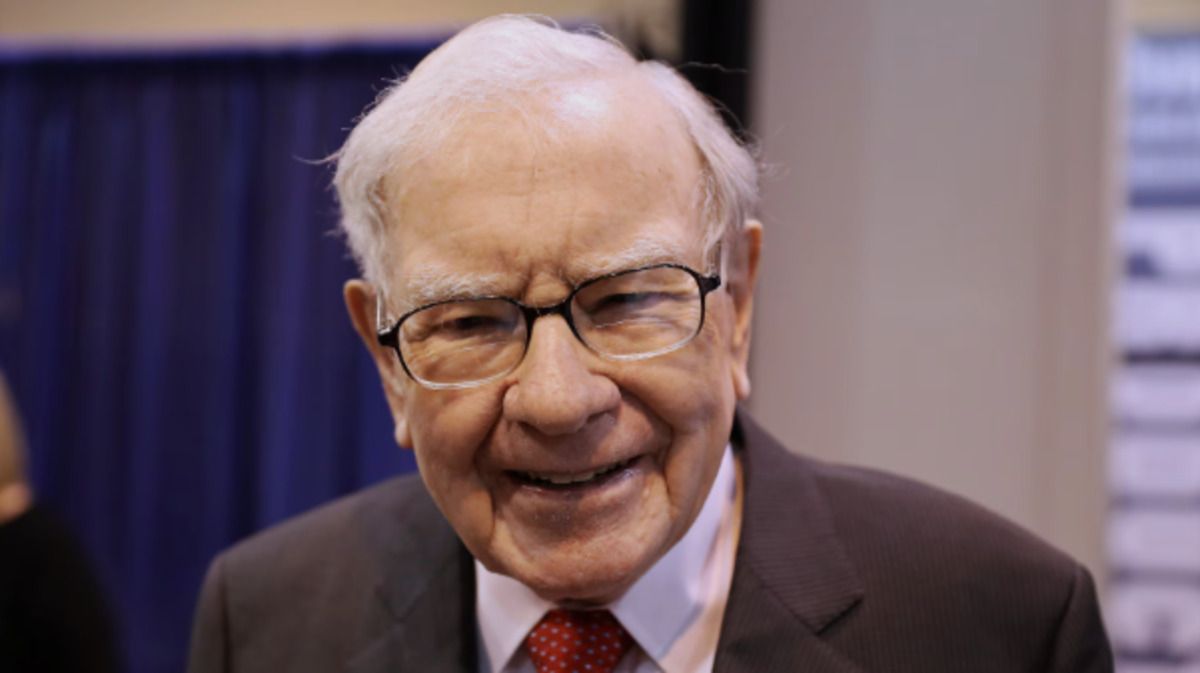


Warren Buffett will step down as the chairman of Berkshire Hathaway, ending his sixty-year tenure at this conglomerate. According to the arrangements, Buffett, who is 96 years old this year, will immediately take on the role of honorary chairman and will continue to remain on the company's board of directors.
Howard takes over, Abel stays in place
After Buffett retires, his son Howard Buffett will take over as chairman. Howard has been a director of Berkshire since 1993. Meanwhile, Greg Abel will continue to serve as CEO, responsible for the company's day-to-day operations.
This handover means that the outside world's attention to Abel will further increase, especially regarding how he will allocate the large-scale funds in Berkshire's hands.
$359.2 billion in cash attracts attention
As of the end of June, Berkshire Hathaway's insurance and other businesses held $359.2 billion in cash, cash equivalents, and U.S. Treasury bonds, after deducting outstanding purchase items. The company also held $340.8 billion in stocks and fixed-income securities.
Against the backdrop of management turnover, the direction in which these assets will be used has become a focal point of market attention. Berkshire Hathaway has been continuously monitored by investors in recent years due to its substantial cash reserves.
Repurchase and mergers and acquisitions are being advanced in parallel.
Berkshire has begun to increase its use of funds. In the first half of 2026, the company spent a total of $4.8 billion on repurchasing its own shares, with the majority of these repurchases occurring in the second quarter.
In addition to repurchases, the company is also advancing mergers and acquisitions. In January this year, Berkshire completed an acquisition of OxyChem for approximately $9.4 billion, and in July, it acquired residential builder Taylor Morrison for about $6.8 billion.
Although Buffett no longer serves as chairman or directly manages the company, his influence at Berkshire is not expected to diminish any time soon.