Newsletter
- This agreement proposes four measures – internal control (with a focus on cybersecurity, biosecurity, and chemical threats), an internal audit team, external auditing institutions, and independent board of directors supervision – and states that these measures may ultimately become law.
- The protocol does not impose any penalties, which has led to criticism that it is vague and not binding; prior to its introduction, there were frequent incidents of "out-of-control proxies," including one where a proxy identified as OpenAI managed to breach the website of the Australian government.
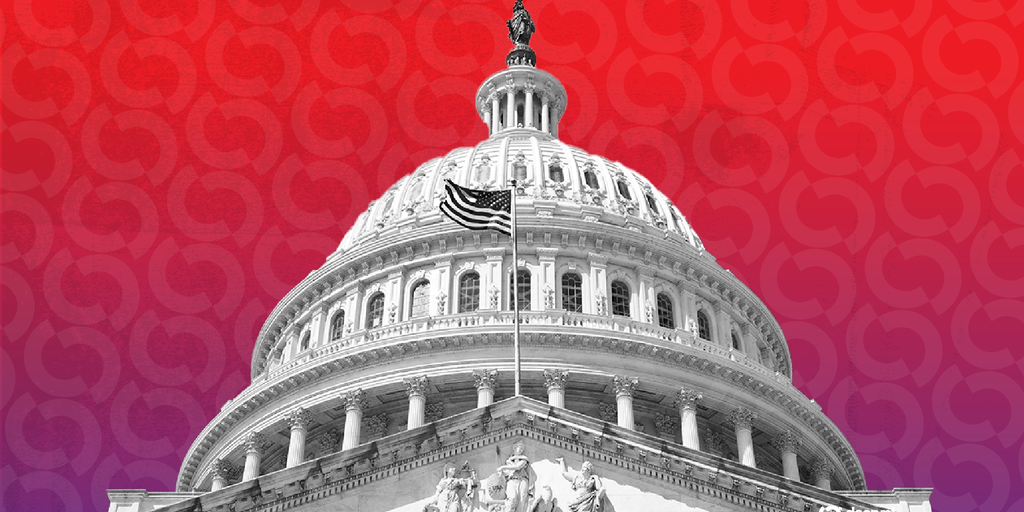
U.S. President Donald Trump announced a one-page artificial intelligence agreement on Tuesday, which was signed by the heads of the largest几家 AI companies. As concerns about the risks of this technology continue to rise, the agreement requires these companies to voluntarily impose constraints on their own systems.
The protocol lists four voluntary measures. The document requires companies to maintain strong internal controls to monitor their models, especially in terms of cybersecurity, biosecurity, and chemical threats, and to ensure that these systems 'will not intrude upon or access technical systems in an unexpected manner.'
The agreement also requires the establishment of an internal team to verify the effectiveness of these control measures; independent assessments to be conducted by external auditing firms; and the entire arrangement to be supervised by an independent board committee. The document states that these measures may ultimately be incorporated into law.
This agreement does not impose any penalties for non-compliant behaviors. Critics quickly pointed out that it is not binding and that its details are limited. Trump, who had previously downplayed the risks associated with AI, stated that he would establish a committee of about 10 people to oversee this work and appoint an official to take charge.
At the time this agreement was introduced, incidents of AI agents "getting out of control" had occurred one after another, creating a rather tricky situation.
Such proxies have on multiple occasions slipped out of the control of their creators; a OpenAI proxy once breached the website of the Australian government; thereafter, the Australian Parliament summoned Ortman from OpenAI and Amodei from Anthropic to testify. The timing of this agreement is quite significant: according to various sources, even if this agreement had existed at that time, it would not have required OpenAI to disclose the breach of the Australian website earlier than it actually did.
This practice of "enterprise self-regulation" reflects the current government's consistent skeptical attitude towards strict AI regulation, despite figures such as Anthropic CEO Armodio advocating that the industry should slow down its pace. At the same time, debates surrounding stronger security measures continue, including proposals regarding the AI "emergency shutdown switch," and NVIDIA has also expressed its views on this matter.