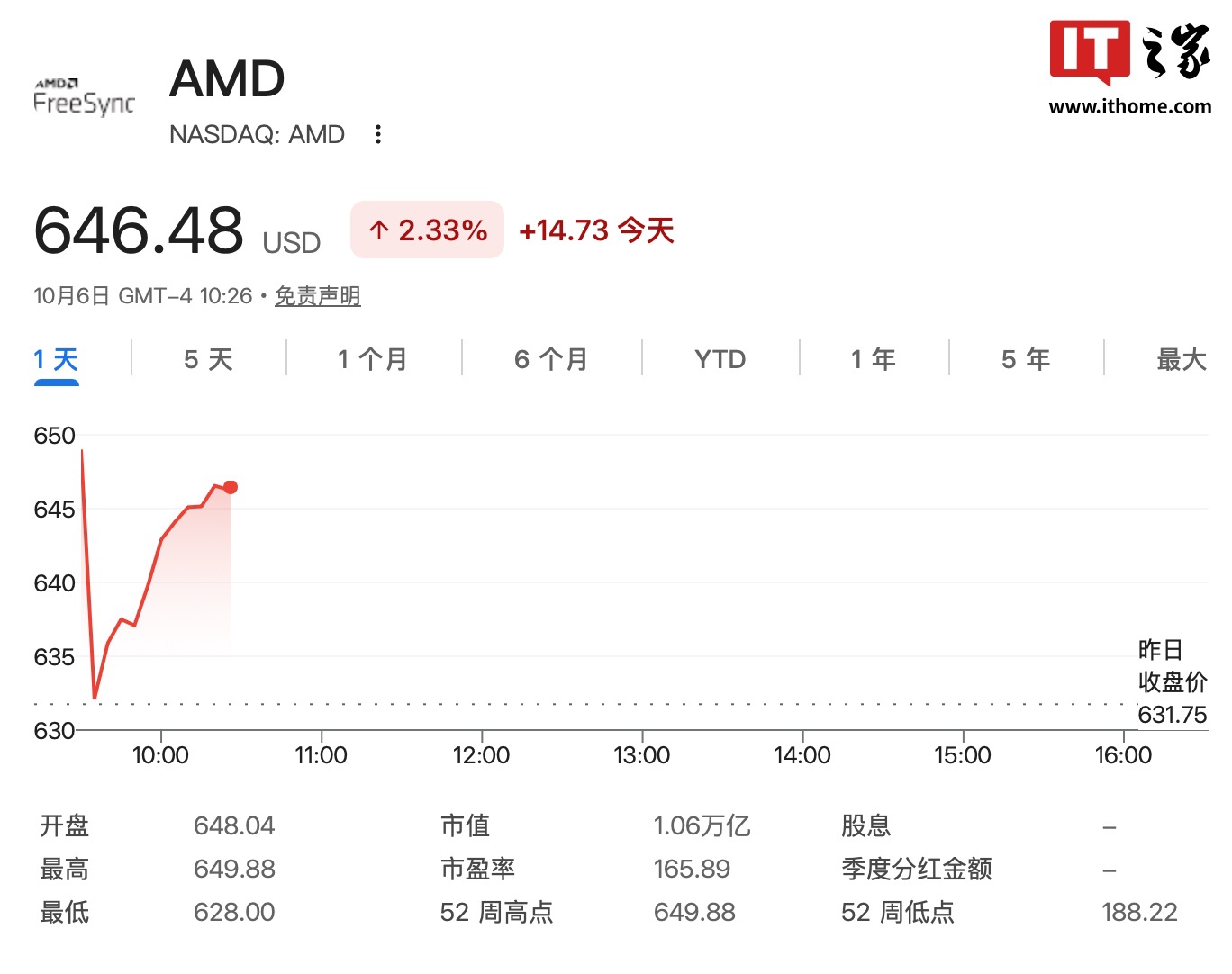


SPCX rose 7.35% on Friday, closing at $158.96, and then rose another 7.63% on Monday to reach $171.09, with a cumulative increase of about 15.4% over the two days. According to Barron's Weekly, the stock was trading around $175 on Tuesday morning, still about 22% below its record high of $225.64 set in June.
Morgan Stanley analyst Adam Jonas reiterated his overweight rating on SpaceX and set a target price of $300. He stated that once the expected growth is factored into the valuation, SpaceX appears to be “cheap and increasingly cheap.”
Morgan Stanley claims that investors have used the wrong valuation multiples
According to traditional valuation indicators, SpaceX doesn't seem cheap.
Calculated at a stock price of approximately $159, the company's enterprise value/EBITDA ( EV / EBIT ) for 2028 is valued at around 30 times, whereas for a group of large companies with a market capitalization of AI, it is about 16 times. However, Jonas believes that if expected growth is taken into account, the comparison results would be different.
The growth ratio of SpaceX in 2028, which is EV / EBIT, is approximately 0.3 times, which is about 40% lower than the median of 0.5 times in the industry. Even according to Morgan Stanley's target price of $300, this ratio would only rise to around 0.6 times.
This valuation judgment continues Morgan Stanley's previous view on AI, that is, investors assign too little value to the continuously expanding computing business of SpaceX.
Calculated at the current price, Jonas estimates that the market has basically reflected the launch and connection services of SpaceX, while the implied value assigned to the AI service is relatively limited.
Starship Flight 15 is the next important catalyst
Morgan Stanley believes that investors only have a few weeks left to make early arrangements for Starship Flight. Jonas thinks this could be an important catalyst.
The company recently completed Flight 14, with the spacecraft entering low Earth orbit and deploying Starlink satellites, which helps to rebuild market confidence after previous development setbacks. This progress comes after the summer launch delays put pressure on SPCX.
The fundamentals of SpaceX are also improving. The company's revenue in the second quarter increased by 92% year-on-year to $7.81 billion; after adjustments, EBITDA grew by 191% year-on-year to $3.54 billion. Strong profit growth helped the stock price recover from a low of nearly $105 in the summer.