Intel claims to have unique advantages in silicon photonics: it owns the only 12-inch InP large-scale mass-produced silicon photonics wafer factory
Ai Focus
Intel's Vice President of Data Center Systems and Solutions Business, Nic Dub, recently stated at the 2026 OCP Global Summit that electrical interconnects are facing bottlenecks in range, bandwidth, and energy consumption, and optical interconnect I/O is set to become a reality in the coming years. He mentioned that Intel is the only wafer factory with the mass production capability for 12-inch (300mm) indium phosphide InP silicon photonics and has a unique track record in terms of the reliability of integrated lasers.
News from the IT family on October 19th: Nic Dub, Vice President of Intel's Data Center Systems and Solutions Group, recently outlined Intel's unique advantages in the upcoming era of silicon photonics at the 2026 OCP Global Summit.

Nic Dub indicates that existing electrical interconnections are facing real bottlenecks in terms of transmission range, bandwidth, and energy consumption, while optical interconnection I/O is set to become a reality in the coming years.
He mentioned that Intel's advantage lies in being the only wafer factory with the capability for large-scale mass production of 12-inch (300mm) indium phosphide (InP) silicon photonics. Intel also has a unique track record in terms of the reliability of integrated lasers and is actively contributing to the establishment of standards within the external light source community.
Looking to the future, Nic Dub believes that silicon photonics will unlock the next generation of adaptive system interconnection architectures that support more advanced topologies, and there is hope to achieve the long-awaited transmission efficiency below 5.5 pJ / bit.
Follow HQYC official accounts to stay updated
 Views
45
HQYC reminds readers to view blockchain rationally, stay aware of risks, and beware of virtual token issuance and speculation. All content on this site represents market information or related viewpoints only and does not constitute any form of investment advice. If you find sensitive content, please click“Report”,and we will handle it promptly。

No comments yet. Be the first!

Cointelegraph
·2026-10-20 16:41:1523 
Netflix Growth Stalls, Adjusting Content StrategyNetflix Replaces Content Supervisors and Cuts Some Positions, Reflecting Internal Concerns About Content Supply and User Engagement. The company is adjusting its strategy to strengthen core film and television content, live streaming, and theatrical distribution, while awaiting the third-quarter financial report to assess the annual targets.
The Block
·2026-10-20 16:31:4623 
Why is Europe so angry: The dissatisfaction behind the protestsProtests have erupted in several European countries due to pressures on living costs, housing, and public services, with the demonstrations in France being the most intense. Analysts say that high energy prices, weak economic growth, and limited fiscal space have collectively exacerbated dissatisfaction, while France's debt and budgetary pressures have also dampened market sentiment.
28 
The most direct signal that U.S. stocks have peaked: South Korea's chip exportsBloomberg macro strategist Simon White believes that to determine whether U.S. stocks have peaked, one should not just focus on Treasury yields, but rather pay attention to chip export data from South Korea and Taiwan, China; once exports decline significantly, it may signal an early warning of a peak in the capital expenditure cycle 3 to 6 months in advance and suppress profit expectations. Currently, these data do not indicate a reversal in the investment cycle.
Wallstreetcn
·2026-10-20 16:10:3725 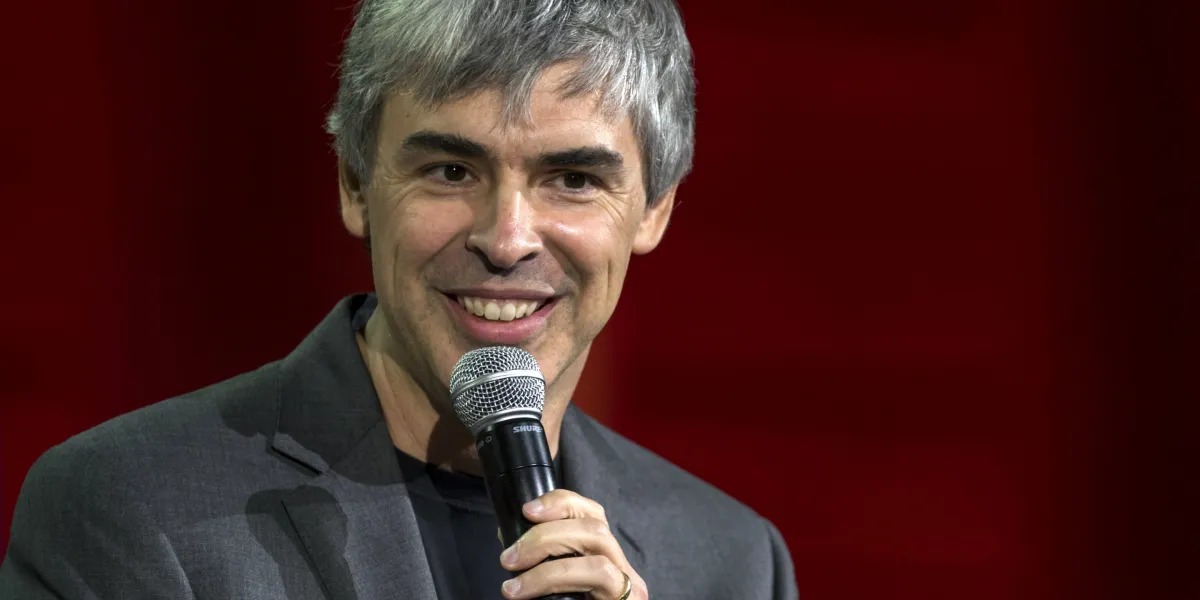
Larry Page Moves Out Before California's Tax Proposal, Could Save Nearly $15 Billion in TaxesFortune reports that California will impose a one-time 5% tax on billionaires who still reside there as of January 1, 2026, with a proposed vote of Prop votes. Google co-founder Larry Page and others have already moved out of California in advance and transferred some of their assets and institutions to other states; reports estimate that if they stayed in California, they might have to pay nearly $15 billion in taxes.
Fortune
·2026-10-20 16:02:1933 View More


















