


After a wave of selling in tech stocks, the market is seeking some respite, and this week's financial reports from tech giants will be a key test. Oil prices have fallen from their five-month highs, and the demand for safety assets has supported the rise in U.S. Treasury bonds.
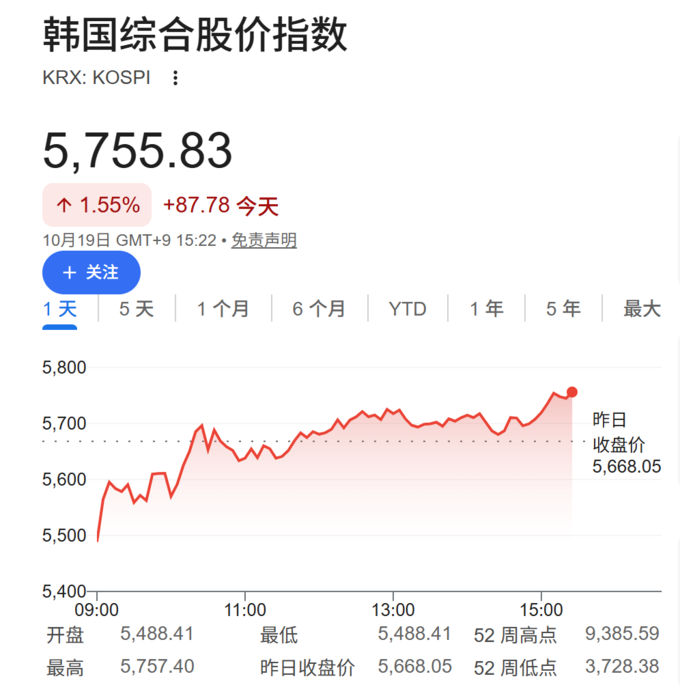
In terms of the Asia-Pacific stock markets, the MSCI Asia-Pacific index wiped out its morning losses and closedほぼ flat. South Korea's Seoul Composite Index rose by 1.8%, Japan's Nikkei 225 Index fell by 0.6%, and the Tokyo Stock Exchange Index rose slightly by 0.04%. European stock index futures declined slightly. Large-scale protests broke out in France over the weekend, dragging down the euro against most G10 currencies. Bitcoin rose by more than 2%, breaking through $82,500.
Nasdaq 100 futures rose by 1.3%, and S&P 500 futures increased by 0.8%. Both indices suffered significant selling pressure last week. During last week's decline, the semiconductor index, which has been closely watched, recorded the longest consecutive decline since 2008, while the volatility index saw its largest single-week increase in over six months.
This week, financial reports from American tech giants such as Tesla and Meta will be released one after another, and the market regards these as important indicators to test the prospects of AI trading. Kyle Rodda, a senior analyst based in Melbourne, stated that the current market is in a "typical period of high uncertainty." "Multiple factors are colliding at once: AI financial reports are approaching, interest rate trends remain unclear, and there are only a few weeks left until the mid-term elections."
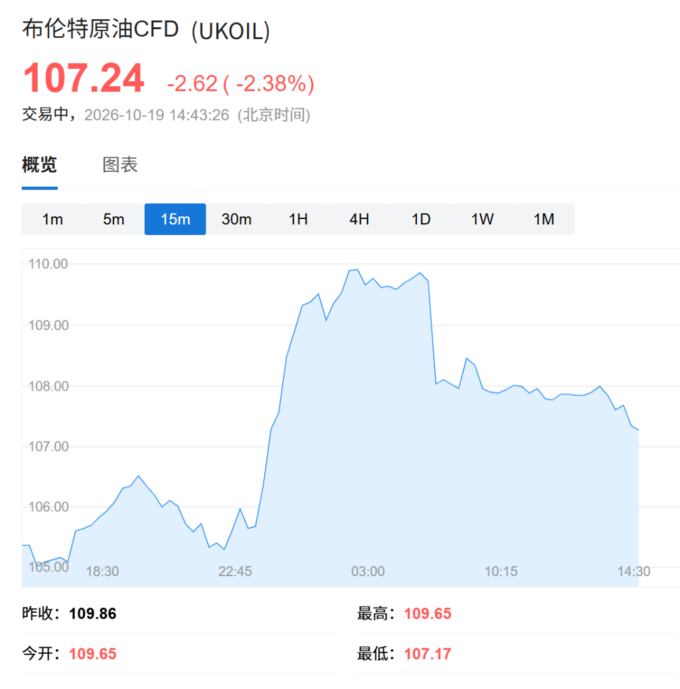
The South Korean Seoul Composite Index closed up 1.8%, Japan's Nikkei 225 Index fell 0.6%, and the Tokyo Stock Exchange Index rose slightly by 0.04%. The Nasdaq 100 futures increased by 1.3%, and the S&P 500 futures rose by 0.8%. The yield on 10-year U.S. Treasury bonds fell 1 basis point to 5.06%; the yield on Japan's 10-year government bonds decreased by 2.5 basis points to 2.905%. The Japanese yen remained virtually unchanged at 158.07 per U.S. dollar. Spot gold rose 0.4% to $4,180 per ounce. Spot silver saw a gain of 1.5% during the day, reaching $57.8 per ounce. Brent crude oil fell about 1.8% on Monday to $107.85 per barrel, dropping from a five-month high.
AI Financial reporting week is here, the market seeks direction
This week, the financial reports of major American tech companies are being released in large numbers, which will directly test investors' confidence in the trading of AI. Netflix will be the first to release its results on Tuesday, followed by Tesla, Meta, and IBM on Wednesday.
According to Bloomberg, several strategists believe that the trend of this week's financial reports is of paramount importance. A Bloomberg strategist stated, "Investor sentiment is cautious, and the geopolitical situation is still in a state of dynamic change. This is also a crucial week for financial reports, which includes new benchmarks on topics such as Meta — AI. However, those who buy on dips may see the recent significant adjustment in chip stocks as an opportunity to enter the market."
Global X Management Senior Investment Strategist Marc Jocum pointed out, "In the end, the financial reports will determine whether last week's AI stock sell-off was an overreaction or a warning sign. Investors should closely monitor any opportunities to restructure their AI long-term trades. The results of these financial reports may determine the direction of the market's next rebound."
Chip stocks tumbled sharply, NVIDIA CEO stepped in to calm the situation
Last week, the significant pullback in chip stocks sparked widespread doubts about the sustainability of AI trading. Cloud computing service provider CoreWeave Inc was particularly hit, with NVIDIA being one of its largest shareholders.
NVIDIA's Chief Executive Officer Jensen Huang expressed optimism about this decline later last week, saying, "All of this will pass," and encouraged investors to take a long-term view, focusing on the long-term value of related technologies rather than the fluctuations in short-term reports.
Yugo Tsuboi, the chief strategist at Yamato Securities, stated, "Given the rapid growth in capital expenditure in 2026, the market is particularly prone to 'emotional reactions' when credit concerns arise. However, it is unlikely that funds will withdraw completely from the stock market; rather, they are more likely to shift to more stable sectors within the market."
Oil prices fall from high levels, and safe-haven assets strengthen.
Brent crude oil fell by about 1.8% on Monday to $107.85 per barrel, dropping from a five-month high. Traders were balancing the escalating conflicts in the Middle East with the region's supply remaining largely at pre-war levels, putting pressure on oil prices. Spot silver saw a gain of 1.5% during the day, reaching $57.8 per ounce.
In terms of U.S. Treasuries, last week concerns about the Fed's policy direction drove the yield on 10-year Treasuries down by about 17 basis points in a single week; on Monday this week, that yield fell another 1 basis point to 5.06%. U.S. Treasuries once again demonstrated their traditional appeal as a safe-haven asset, but this could also result in losses for investors who bet heavily on further declines in Treasury yields.
Gold strengthened in tandem, with spot gold rising 0.4% to $4,180 per ounce. According to Bloomberg, the previous statement by Federal Reserve Chairman Kevin Warsh on Friday caused the market to lower its expectations for interest rate hikes this month, which boosted the opening trend of gold prices.