An article outlines the signs that family members can look for to determine whether a dementia patient can still live safely alone.
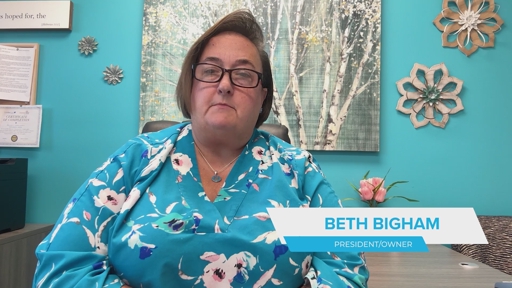
Greenswood, Indiana, October 21st / PRNewswire / -- Can people with dementia continue to live safely alone? HelloNation published an article that presents the views of Beth Bigham from ComForCare Home Care on this issue.
This HelloNation article points out that a diagnosis of dementia does not necessarily mean that an independent life must end immediately. Many people can remain independent in the early stages, as long as they have a familiar routine, a familiar environment, and reliable home-based support for dementia care. Family members can also reassess whether the current living arrangements can still safely meet their daily needs.
The article mentions that subtle changes in daily habits may indicate a need for more support. Skipping meals, forgetting appointments, repeatedly wearing the same clothes, or having difficulty completing household chores can all suggest that a person's ability to manage their life independently is changing.
Medication management is also an area that family members need to pay close attention to. The article states that missing doses, taking medications repeatedly, or being confused about prescriptions can all pose serious safety risks. These issues may be even more important when patients are taking multiple medications at the same time.
Diet and nutrition can also provide clues to the condition of elderly patients with dementia living alone. According to the article, spoiled food, an empty refrigerator, weight loss, or meals left untouched may all indicate that they are encountering difficulties in shopping or cooking. Forgetfulness, or difficulty completing the steps of meal preparation, could be some of the reasons.
This HelloNation article also advises family members to pay attention to home safety. Leaving appliances on, not locking doors, leaving faucets running, or placing items in unusual locations may indicate that the level of chaos is increasing. Wandering or getting lost in a familiar environment can also bring more concerns to independent living.
Similar changes may also occur in financial and household responsibilities. Unpaid bills, duplicate payments, unopened emails, unusual spending, disorganization, or a decline in the quality of home maintenance can all indicate that daily responsibilities have become more difficult to manage.
The article emphasizes that one should observe persistent patterns, rather than making major decisions based on a single incident. Forgetting a date or burning the food is something that can happen to anyone. However, if problems recur, chaos worsens, or multiple difficulties arise simultaneously, that is a stronger indication of the need for additional support.
The level of home assistance required may also change over time. Initially, a person might only need a few hours of help per week, but later on, they might require daily assistance or even more continuous care. The article suggests that as needs change, it is important to regularly reassess one's abilities and the home environment.
Medical professionals can also provide useful information. Medical assessments may reveal the effects of medications, health conditions, or changes in vision and hearing, all of which can lead to confusion. Family members can provide specific examples to help the medical team gain a clearer understanding of the individual's daily functional abilities.
The article concludes that whether to allow patients with dementia to live alone should be determined by taking into account the overall situation, not just the diagnosis itself. Personal care, nutrition, medication management, mobility, judgment, home safety, and reliable support are all important factors. The views of the expert in home care, Beth Bigham, cited in the article, can help family members determine whether the current home-based support for dementia is still sufficient or whether there is a need to change the living arrangements.
"Can people with dementia continue to live safely alone?" An article that includes the views of Beth Bigham, a family care expert from Greenwood, Indiana, was published on HelloNation.
About HelloNation
HelloNation is a "Good News Network" from the United States, a mainstream media platform built on the concept that "real people tell real stories, and good news spreads faster." Through community-centered publications and innovative edvertising methods, HelloNation publishes content that provides information, inspires, and highlights leaders who have a positive impact within their communities.
21%