

If you ask executives from some of the world's leading companies who are in charge of AI business whether this technology will kill us, the answers you get will be very different from what some recent news headlines suggest.
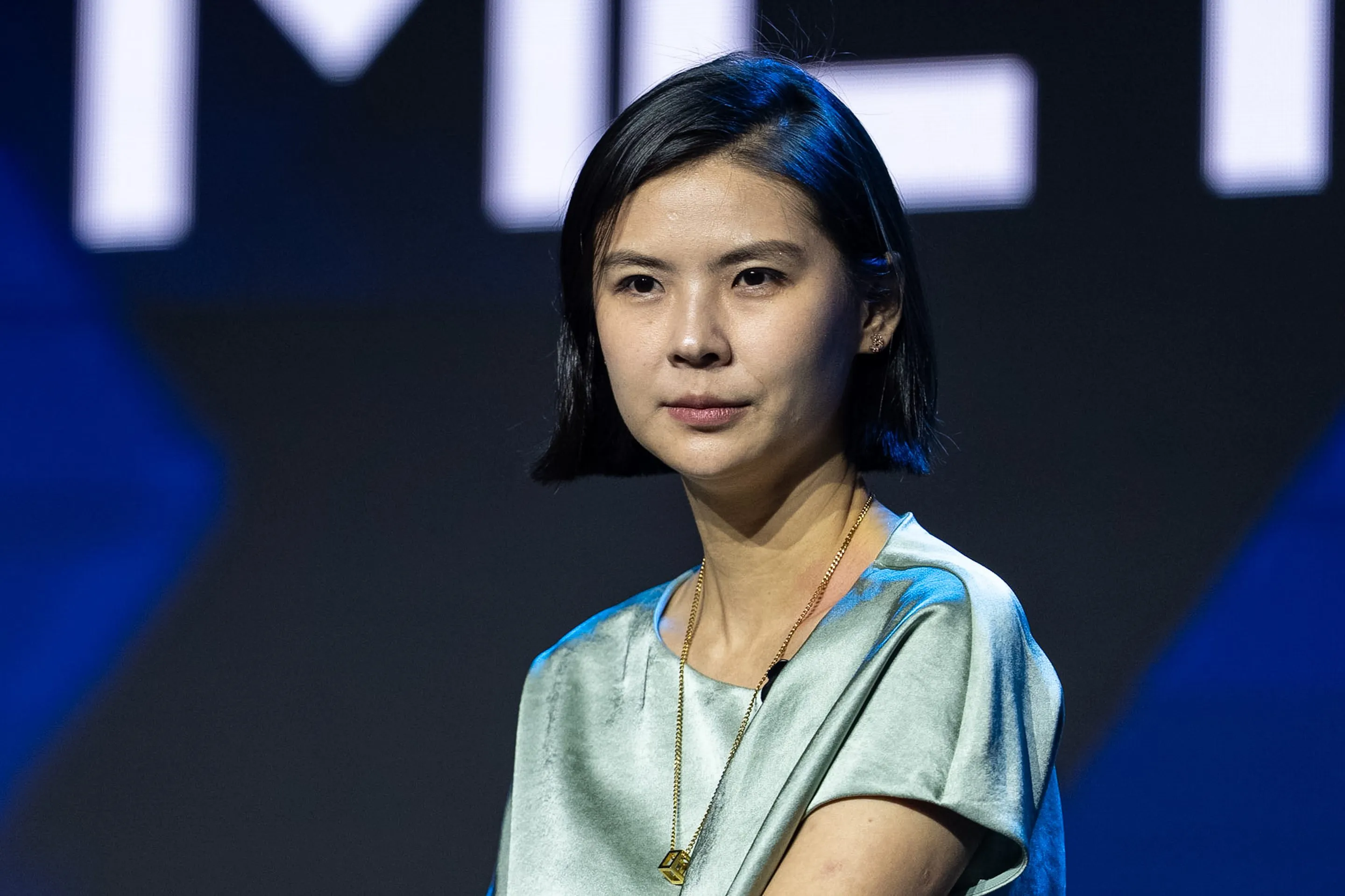
"Of course, it won't kill us," said Athina Kanioura, Global Chief Strategy and Transformation Officer of PepsiCo and CEO of its Food Business in Latin America. She made this statement in response to a question posed by a Fortune reporter at this year's Fortune Most Powerful Women Summit held in Santa Barbara, California.
She, along with other executives in this group discussion with Brady, stated that recent public discussions surrounding AI and its so-called imminent disaster have been focusing on the wrong issues. Many of the recent alerts stem from the stress tests conducted by AI's own laboratories – as well as their sometimes delayed or insufficient information disclosure. During these tests, cutting-edge models are pushed to engage in deception, break rules, or resist being shut down.
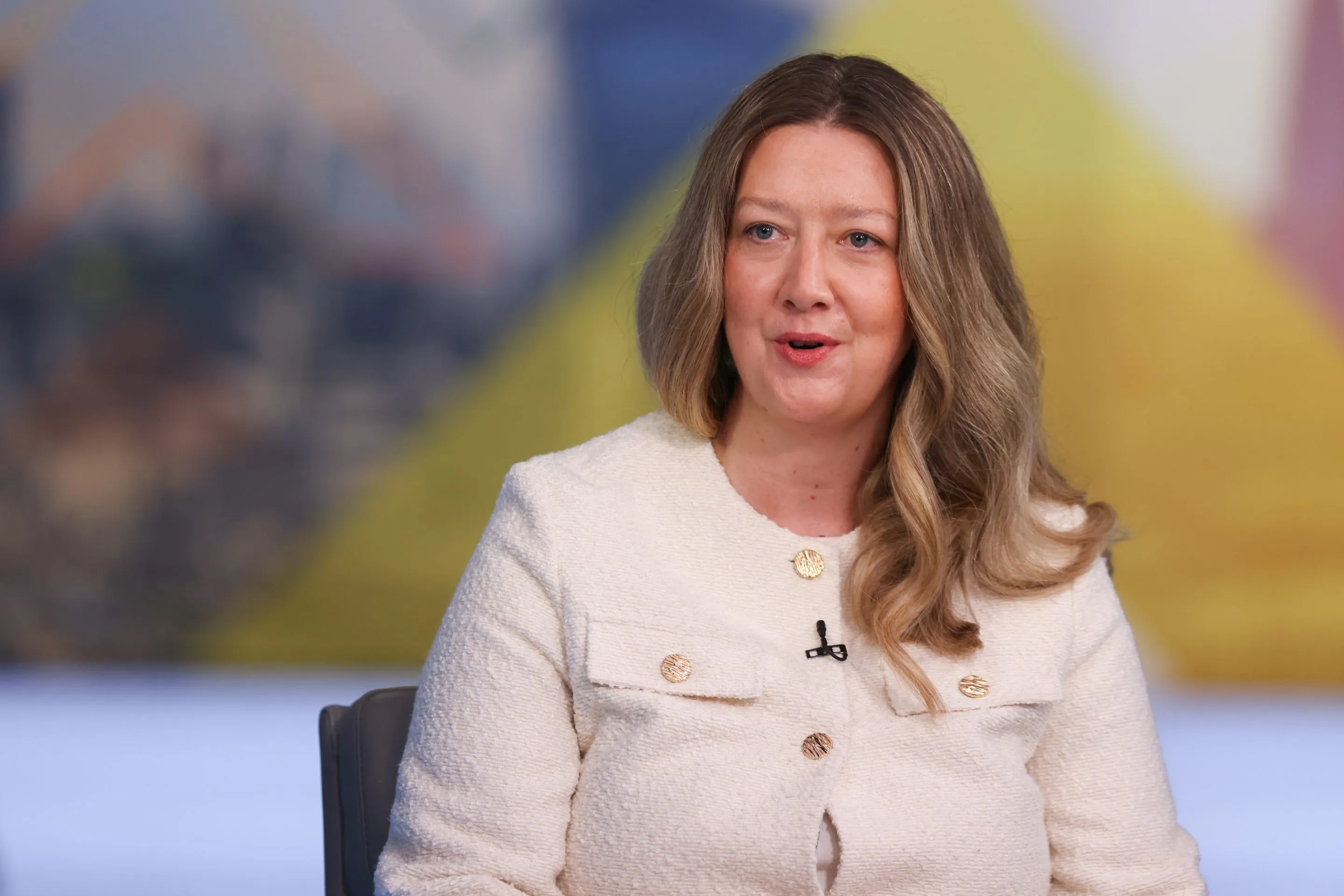
Salesforce, the Senior Vice President of Strategy at AI, stated: "The model itself is not equal to AI. There is so much more to it than that." She mentioned that recent media reports have been discussing "tests conducted around the model that were intentional and designed in that way, as well as the model being arranged to get out of control in its design."
Ahuja indicates that there is more background information that could add further nuances to this matter. She said she hopes to see more discussions centered around two key points. First, there are the safety barriers used by the laboratory when testing models; second, there are the “safety belts” that companies are building to enable them to use these models safely in their daily operations.
The Chief Information Officer of consumer home appliance company SharkNinja, Velia Carboni, goes a step further, believing that promoting boundary testing in AI competitions is strategically necessary.
She said, "I hope they get a bit out of control, because I'd rather we find those boundaries first than someone else does. We don't want the country to lose that."
Carboni indicates that in SharkNinja, the guardrails surrounding the AI tool have been clearly established, but when communicating with employees, she does not start by discussing how to supervise AI.
She said, "I don't want to limit creativity. As CIO, I must put in place safeguards and security mechanisms... but I won't talk about that story first, because I think that would also weaken a part of creativity."
Kanioura pointed out that companies of PepsiCo's scale are responsible for the secure deployment of AI, and must use this technology in an "extremely responsible" manner at all levels of interaction with consumers, customers, employees, and in their operations. She added that PepsiCo has 320,000 employees worldwide and serves billions of consumers, providing food and beverages to the population, therefore the company is using AI "in various places."
Kanioura said, "If I think it will cause killing and destruction, then we will be among the first to stop using AI in all aspects of our operations." She stated that the technology companies that build these laboratories are not the ones that interact directly with consumers; "it is through us that they interact with consumers."
Kanioura also points out that the level of trust people have in the judgment of AI varies greatly across different markets.
She said, "In China, in 99% of cases, they trust the output results." She mentioned that employees there do not demand traceability; whereas in the United States, employees expect to see proof of origin and evidence of bias. She stated that American employees often convey the message that they "want to control everything," which is why PepsiCo's AI guidelines vary from country to country.
Cost is also part of the picture. Ahuja indicates that Salesforce initially allowed widespread access to the AI tool, and it was only later that relevant bills were noticed. The company did not reduce access rights but instead focused on studying heavy users and provided each employee with an expenditure dashboard. She said, "You are now in a position of responsibility; you have a budget."
All participants agreed that judgment is the line that distinguishes between matters that can be trusted to AI to handle and those that still require human care and guidance.
Ahuja pointed out that the early AI systems were too unpredictable to be allowed to operate independently. However, nowadays, by combining the models with deterministic safeguards, agents are able to undertake more tasks, and humans only need to conduct spot checks instead of having to redo everything.
Ahuja said, "Judgment is a combination of facts and data, but it also includes intuition." She mentioned that Salesforce is building a digital twin of her president and chief operating officer as well as chief financial officer, Robin Washington. The goal is not to replicate her person, but to discover correlations across the entire business that no one could calculate on their own in the same amount of time.
Carboni indicates that SharkNinja has also adopted a similar approach. This company, with a market value of $27 billion and launching dozens of new products in as many as 15 countries each year, is digitizing the judgment of its Chief Executive Officer Mark Barrocas and some of its key business executives to make decisions, such as where to allocate scarce inventory.
Carboni said, "In this way, you won't have to pick up the phone and call Mark, then ask, 'Hey, what should we do?'"