Newsletter
Tesla's net profit in the third quarter decreased by 43% to $787 million; revenue remained flat at $28.05 billion. Meanwhile, research and development expenses increased by 69%, and capital expenditures more than doubled to reach $4.73 billion.
Tesla has begun producing the Optimus humanoid robot in Fremont, California; Musk's goal is to produce 20,000 units per week, but he indicates that it will take at least another year to achieve this, with deliveries to external customers expected to begin around the end of 2027.
Tesla stated that it is striving to deliver Cybercab to customers by the end of 2026, while the federal safety review is still ongoing; the company needs to submit a sworn response to regulatory authorities by October 30th.
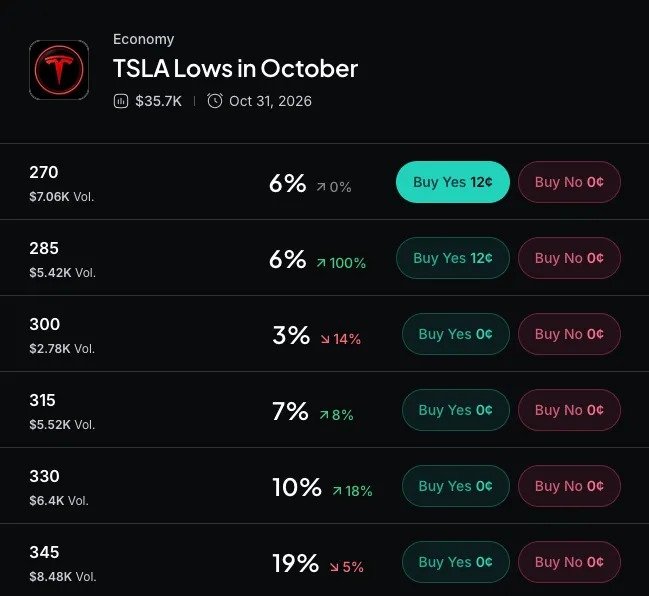
According to Tesla's quarterly report, the car manufacturer's profits fell from $1.37 billion a year ago to $787 million last quarter, a decrease of 43%. While delivery volumes decreased by about 2%, the company invested funds in humanoid robots and autonomous taxis.
Revenues remained unchanged at $28.05 billion, but operating profit decreased by 56% to $718 million. Operating profit is the profit remaining after deducting operating costs. Research and development expenditures increased by 69% to $2.76 billion; capital expenditures, which are those used for factories and equipment, more than doubled to reach $4.73 billion.
These expenditures were directed towards two products aimed at factories and urban roads. Optimus is a humanoid robot designed to take over dangerous and repetitive tasks; Cybercab is a two-seater robotic taxi that users can call via an app, and it does not have a steering wheel or pedals.
Tesla stated on Wednesday that Optimus has entered the production phase; a company executive said during a financial report conference call that Tesla is working to deliver Cybercab to customers by the end of this year.
Tesla has begun producing Optimus on the production line at its Fremont factory in California. Tesla stated in a letter to shareholders, "The robots produced on this line are our first batch of mass-produced robots."
Elon Musk hopes to increase the production of Optimus to 20,000 units per week, but he said that since the design is still undergoing changes, it will take at least another year to reach this level. He estimates that delivery to external customers will be around the end of 2027, and mentioned that the robot's hands are one of the most challenging hardware issues to address. In addition, it remains to be seen whether the robot can maintain stability after being in use for more than a month.
Tesla has previously failed to achieve the Optimus targets on multiple occasions, including the goal of producing about 10,000 units in 2025. Meanwhile, competitors have entered the market. Microsoft, OpenAI, and the startup Figure AI supported by NVIDIA launched a Figure 2-person humanoid robot in 2024.
In regards to Cybercab, Lars Moravy, Vice President of Tesla's Vehicle Engineering, stated during the financial report conference call that this vehicle may be launched this year: "We are working hard to deliver Cybercabs to customers by the end of 2026." So far, all the Cybercab that have been manufactured will join Tesla's own fleet of robotic taxis; Musk mentioned that most of these vehicles will be owned by Tesla and will be provided in the form of "transport as a service."
Tesla has not yet announced to whom the first batch of Cybercab units will be sold, but last month the company released a form for those interested in purchasing robot taxis to fill out; the company has also not announced the price yet. Tesla previously mentioned that the target selling price is below $30,000.
Elon Musk stated that the robot taxi service should begin to have a significant impact on Tesla's overall finances in the second quarter of 2027 and is "very likely" to become a "major event" in the third or fourth quarter of next year. Tesla has not yet disclosed how much revenue this service will generate.
On Tuesday, Musk also stated during the financial report conference call at SpaceX, that both Tesla and the board of directors of SpaceX have established special committees composed of independent directors to explore the possibility of a merger between the two companies, but so far no agreement has been reached on any terms.