General Motors ( GM ) has collaborated with Peak Energy to develop the next generation of sodium-ion battery cells, but these cells will not be used in electric vehicles; instead, they will be utilized for grid-level energy storage projects. GM Ventures will make a strategic investment in Peak Energy.
According to the cooperation arrangements between the two parties, General Motors will develop sodium-ion battery cells at its battery laboratory in Michigan and retain the exclusive manufacturing rights. As Peak Energy accelerates its local manufacturing layout in the United States, the company will integrate these battery cells into its battery energy storage systems.
The two companies are targeting a rapidly growing market. This market is expanding as utility companies increase battery storage to support renewable energy, the rising demand for electricity, as well as the construction of data centers and AI infrastructure.
The current fixed-energy storage market is mainly dominated by lithium iron phosphate (LFP) batteries. However, Peak Energy believes that sodium-ion batteries can provide a lower-cost alternative for grid applications, as in such scenarios, the importance of energy density is less than that of cost, reliability, and safety.
One of the core selling points of Peak is its passively cooled battery energy storage platform. Traditional LFP battery systems require active cooling devices to maintain a safe operating temperature, which increases costs and complexity. Peak claims that their system has completely eliminated these cooling systems.
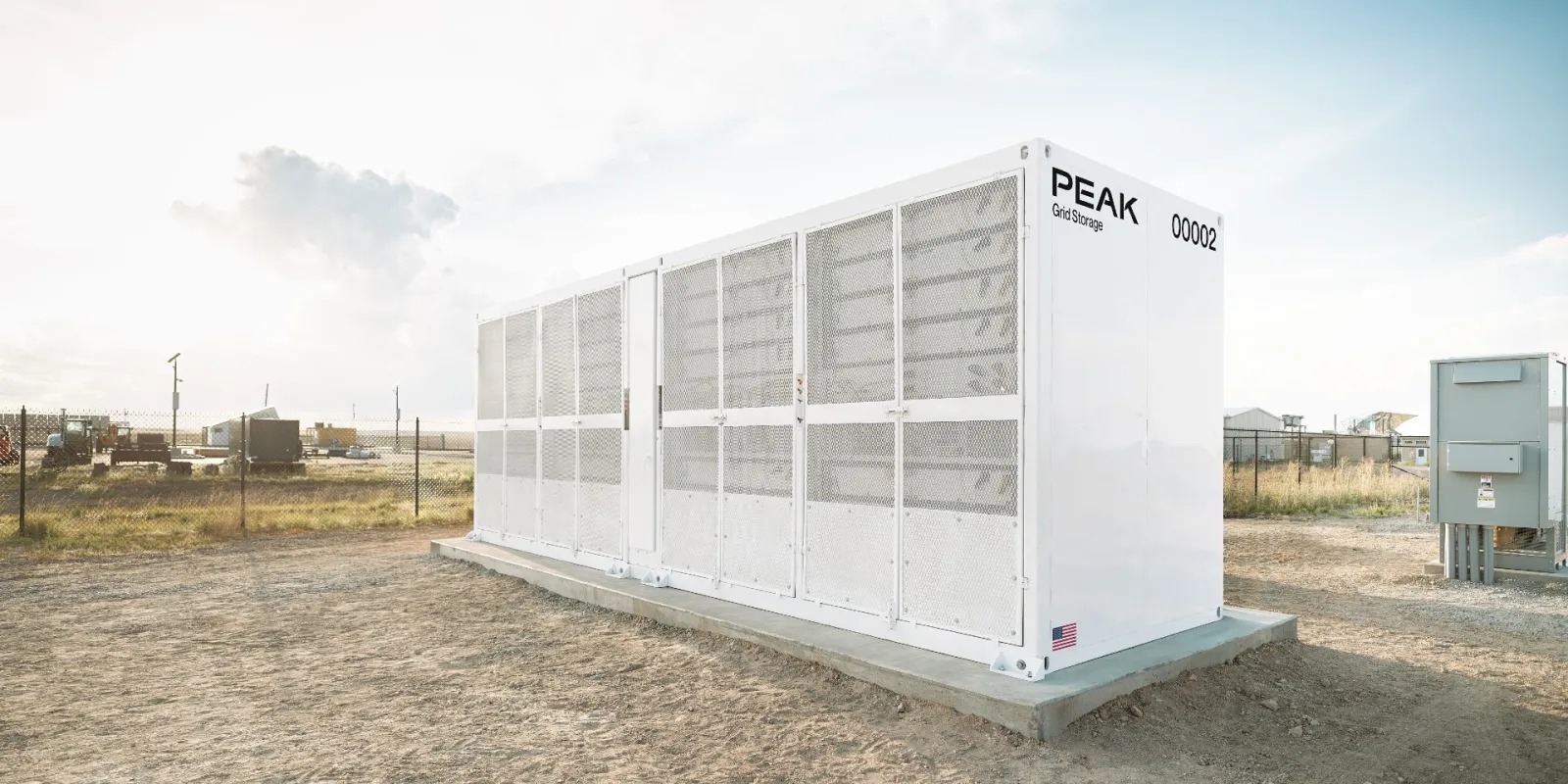
According to the company, its sodium ion platform can reduce energy storage costs by 20% compared to traditional systems, while achieving a normal operating time of over 99%.
Peak believes that its design results in lower energy consumption. The company estimates that if its passive cooling technology were to replace traditional LFP energy storage systems, the United States could reduce battery energy waste by up to 2 terawatt-hours per year. This is equivalent to providing power for a medium-sized city for an entire year.
General Motors' Vice President of Batteries and Sustainable Development, Kurt Kelty, stated that sodium-ion batteries are very suitable for stationary energy storage.
Kelty said, "At General Motors, we believe that the application scenario should determine the type of battery. For grid-level stationary energy storage, sodium-ion batteries are the right solution. Peak has already demonstrated the value of sodium-ion batteries through its innovative energy storage platform. We are working together to further enhance these advantages in the next generation of battery cells, helping the American power grid to provide more reliable and cost-effective energy storage on a larger scale."
Sodium-ion batteries still account for a very small portion of the global battery market, but due to their ability to use a wider range of materials at lower costs, as opposed to the materials required for lithium-based batteries, interest in the market is on the rise. General Motors and Peak are betting that these advantages could make sodium-ion batteries an increasingly attractive option for large-scale energy storage. However, don't expect General Motors to develop sodium-ion battery cells for electric vehicles, as their energy density is too low.

This sodium-ion battery startup plans to use this funding to expand its manufacturing capacity in the United States, fulfill existing customer orders worth over $1 billion, and introduce its passive cooling energy storage systems into the data center market, which consumes a large amount of power.